
Roof Insurance Claims
Storm damage
How a roof insurance claim actually works
Houston gets hail, straight-line wind and hurricane season. A lot of roofs in this city get replaced through an insurance claim rather than out of pocket — but the process confuses people, and that's where bad actors do well.
Here is the whole thing, start to finish, including the parts that aren't in our interest to tell you.
Free inspection and Picture Report
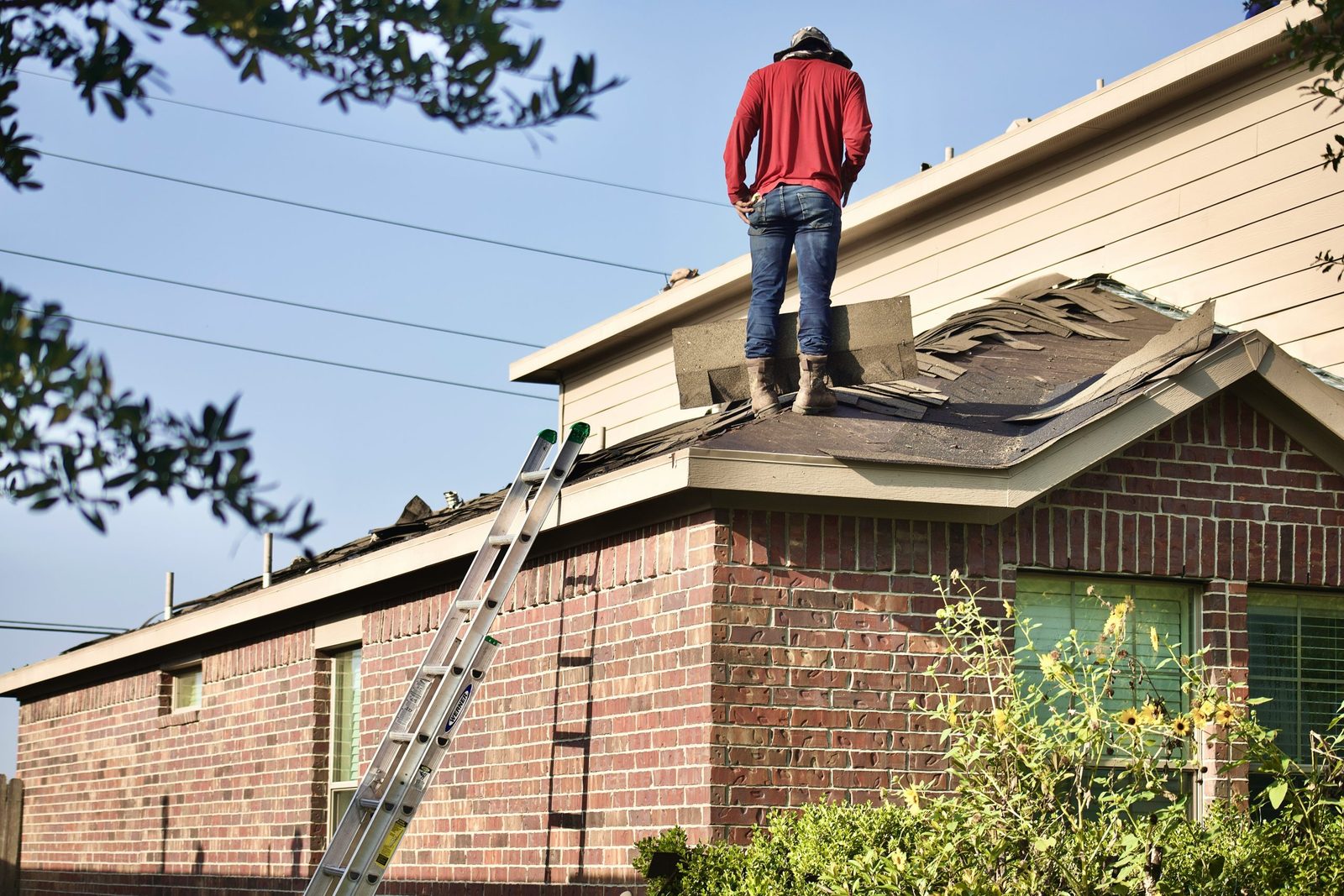
We get on the roof and document everything — lifted shingles, granule loss, hail bruising, damaged flashing, vents. You get a written report with photographs whether or not you end up filing.
You decide whether to file
If the damage clearly isn't worth a claim, we tell you that. Filing a claim that gets denied still shows on your record, so it isn't a free roll of the dice.
You file with your carrier
The policyholder files the claim — we can't do it for you, and you should be wary of any contractor who offers to. We give you the documentation to file with.
The adjuster inspects
Your carrier sends an adjuster. We meet them on the roof and walk the damage with them, so what they measure matches what's actually up there.
Approval and scope
The carrier issues a scope of loss and a payment. If it misses work that's genuinely needed, we document it and submit a supplement — this is normal and happens on a lot of claims.
We build the roof
Work is scheduled around the approved scope. You pay your deductible, the carrier pays the rest, and we handle the paperwork through final invoice.
Be realistic
What carriers usually cover — and what they don't
Insurance covers sudden, accidental damage. It does not cover a roof that has simply reached the end of its life, however much you'd like it to.
Typically covered
- Hail damage — bruising, granule loss, cracked shingles
- Wind damage — lifted, creased or missing shingles
- Storm debris impact
- Sudden leaks caused by a covered event
- Damage to flashing, vents and gutters from a storm
Typically not covered
- General age and wear — shingles at the end of their service life
- Damage from deferred maintenance
- Manufacturing defects (these go to the manufacturer's warranty)
- Poor installation by a previous contractor
- Cosmetic-only damage, on policies that exclude it
Your policy is the final word — coverage varies, and some Texas policies carry separate wind and hail deductibles or cosmetic damage exclusions. Read yours, or send it to us and we'll read it with you.

Straight talk
About your deductible
On an approved claim you pay your deductible and your carrier pays the rest of the approved scope. That's the deal.
If a contractor offers to “eat” your deductible, walk away
In Texas it is against the law for a contractor to waive, absorb or rebate your insurance deductible, and it exposes you as well as them. Anyone offering it is telling you how they do business. We don't, and we won't.
If the deductible itself is the obstacle, that's a cash-flow problem with legal solutions — see our financing options.
After a storm
Four mistakes that cost Houston homeowners money
Signing with the first door-knocker
Out-of-state crews follow Houston storms, sign whatever they can, subcontract the work and leave. When the roof leaks in two years there is nobody to call. Check that a contractor has a local address and has been at it a while.
Waiting too long to file
Most policies require prompt notice after a loss, and the longer you wait the harder it is to prove a specific storm caused the damage. Get it inspected after a significant storm, even if the roof looks fine from the ground.
Accepting an incomplete scope
The first adjuster estimate sometimes misses decking, flashing, vents or code-required upgrades. That's what a supplement is for. It isn't confrontational, it's routine.
Letting anyone inspect without documentation
An inspection with no written report and no photographs is worth nothing to your claim. Insist on documentation you can keep — ours is a Picture Report and it's yours either way.
Storm damage?
Get help restoring your property after damage
Our technicians will give you a detailed damage inspection report, so you have everything your insurance company needs to make a decision.