
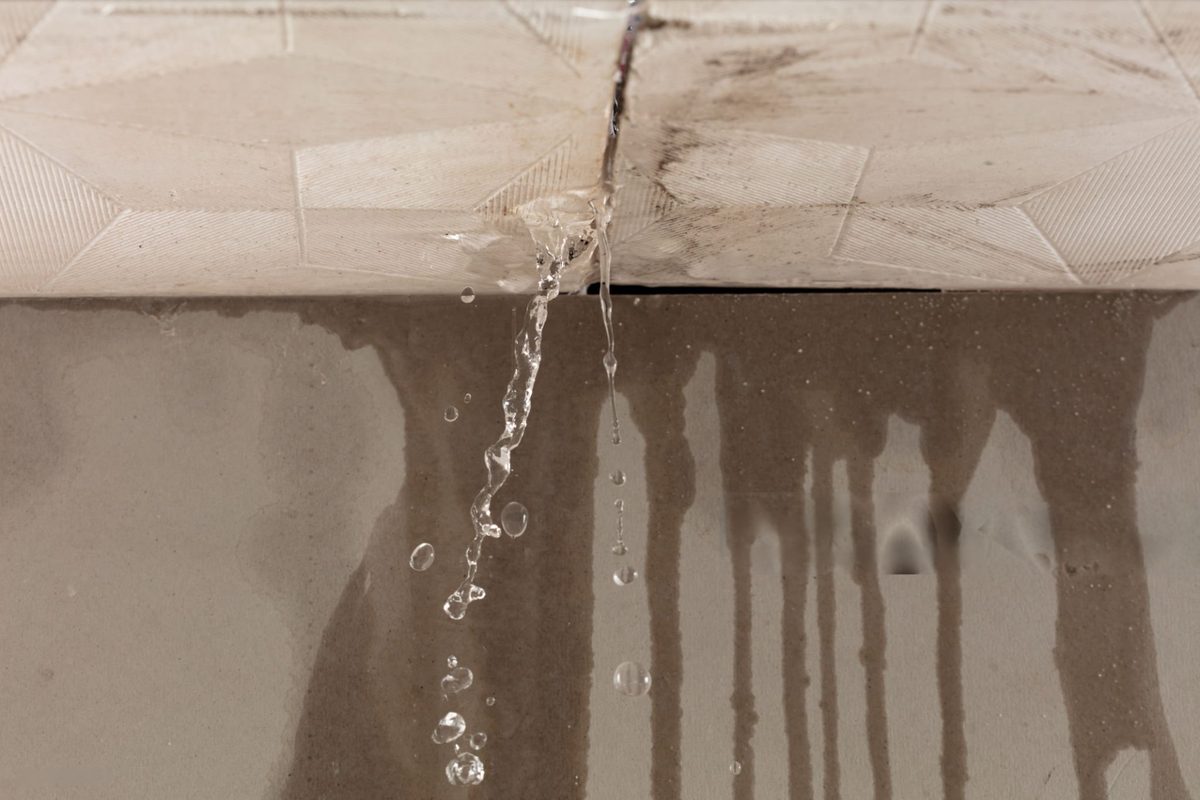
Roof Leak Repair in Houston, TX
Inner-Houston roofs leak in specific places, and it usually isn't the open field of shingles. It's the junctions — where an addition meets the original house, or where a chimney or vent breaks the shingle field.
Older homes, more roof-to-wall junctions
Neighborhoods like the Heights, Garden Oaks and Norhill are full of homes built between the 1920s and 1950s that have been added onto more than once over the decades. Each addition creates another valley, another roof-to-wall junction, and another place where flashing has to do its job perfectly. Most of the leaks we chase down in these neighborhoods trace back to one of those junctions rather than a hole in the shingle field itself.
Heat and humidity accelerate the wear that causes leaks
Gulf Coast summers put a shingle through daily expansion and contraction for months at a stretch, and Houston's humidity keeps the deck from fully drying out the way it would in a drier climate. That cycle is a large part of why sealant, flashing and aging shingles fail here sooner than the same materials would elsewhere, and why a small leak can go unnoticed for a while before it shows up as a ceiling stain.
How we trace a leak to its source
A stain on the ceiling doesn't always sit directly under the actual entry point, since water travels along framing before it drips. We check the attic from the inside where access allows, then work outward on the roof from likely junctions — chimneys, vent boots, valleys and old addition seams — rather than assuming the first thing we see is the cause. Our leak-after-rain guide covers what to do while you're waiting on an inspection.
Repair now, before it spreads
Most leaks are a straightforward repair once the source is actually found, rather than a sign the whole roof needs replacing. We fix the flashing or shingle detail causing the intrusion and check the attic insulation and decking for damage that's already occurred, since a leak repair that ignores what's already wet underneath isn't finished yet.
When it isn't actually the roof
Not every ceiling stain traces back to the roof. Condensation from an attic-mounted AC unit, a slow plumbing leak in a wall cavity, or even a poorly sealed exhaust fan vent can all mimic the look of a roof leak from below. Part of a thorough inspection is ruling these out, and we'll tell you plainly if what you're dealing with looks more like an HVAC or plumbing issue than a roofing one, rather than repairing a roof that was never the problem.
If the leak has already caused visible interior damage — stained drywall, sagging paint — we can point you toward next steps for that side of the repair as well, even though our own work stays focused on stopping the water at its source on the roof.
Frequently asked questions
Why does my Heights-area roof keep leaking in the same general spot?
Older homes with multiple additions often have a roof-to-wall junction or valley near that spot that was never properly flashed, or has failed with age. Fixing that junction, not just the visible shingle, usually solves it.
The ceiling stain is small — do I really need a professional to look at it?
Yes. Water travels before it shows up as a stain, so the actual leak point is often somewhere else on the roof entirely, and an untrained look rarely finds it before it's spread further.
Can you repair a leak on an older home with original plank decking?
Yes. Older decking behaves differently than modern plywood or OSB sheathing, and we account for that when repairing the area around a leak, including replacing any section that's deteriorated.
Is a roof leak always covered by homeowners insurance?
It depends on the cause. Sudden storm-related leaks are often covered; leaks from gradual wear or deferred maintenance typically aren't. We can tell you which situation yours looks like after an inspection.
Want the number before anyone visits?
Type your address and we'll measure the roof from aerial imagery — area, pitch and every facet — then price it at our published rate per square. About fifteen seconds, and we don't need your phone number to show you the number.
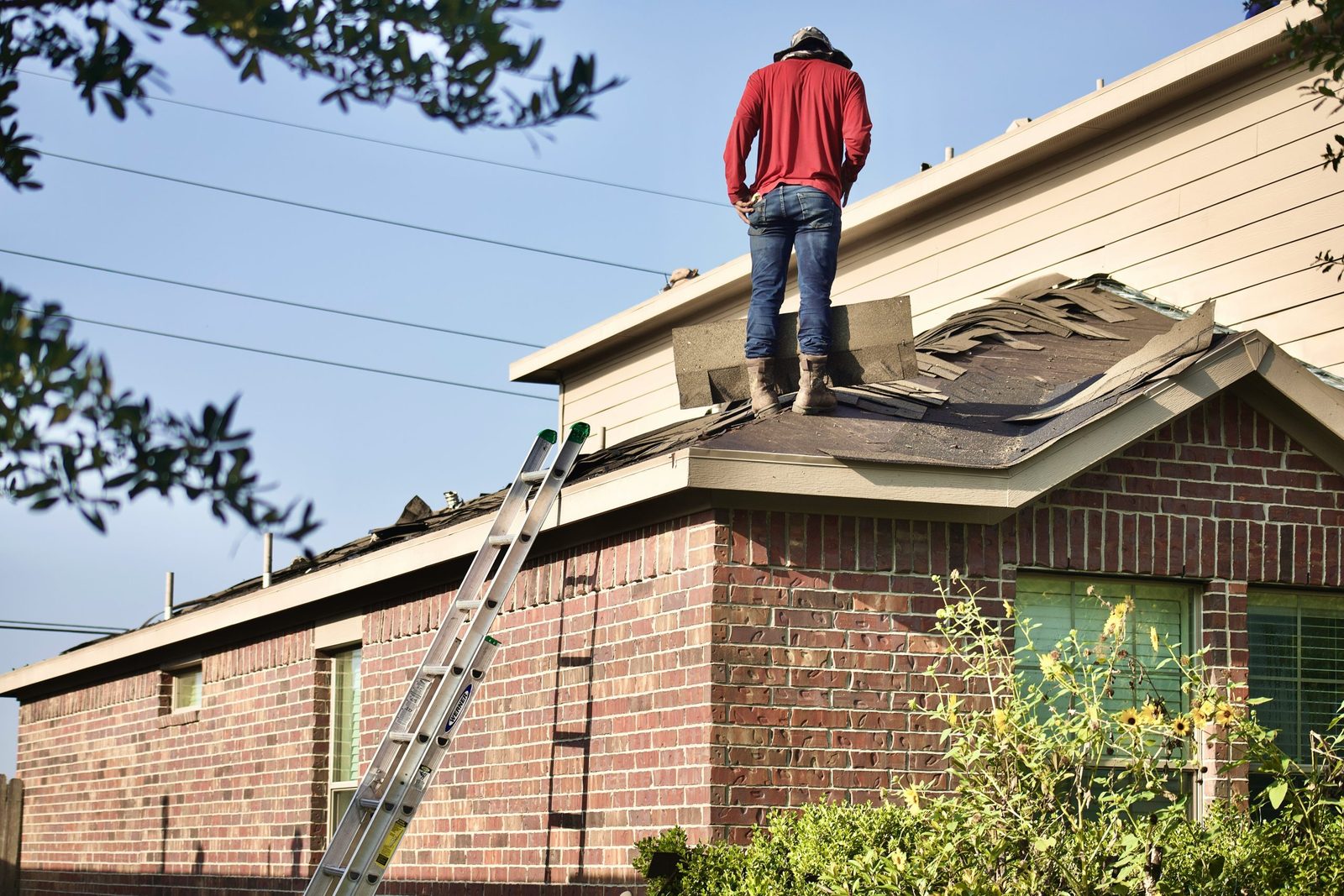
Storm damage?
Get help restoring your property after damage
Our technicians will give you a detailed damage inspection report, so you have everything your insurance company needs to make a decision.