
Found a Roof Leak After Rain? Do This First
A water stain spreading across the ceiling is one of the more stressful things a homeowner deals with. Here's the right order of operations.
Contain the water indoors first
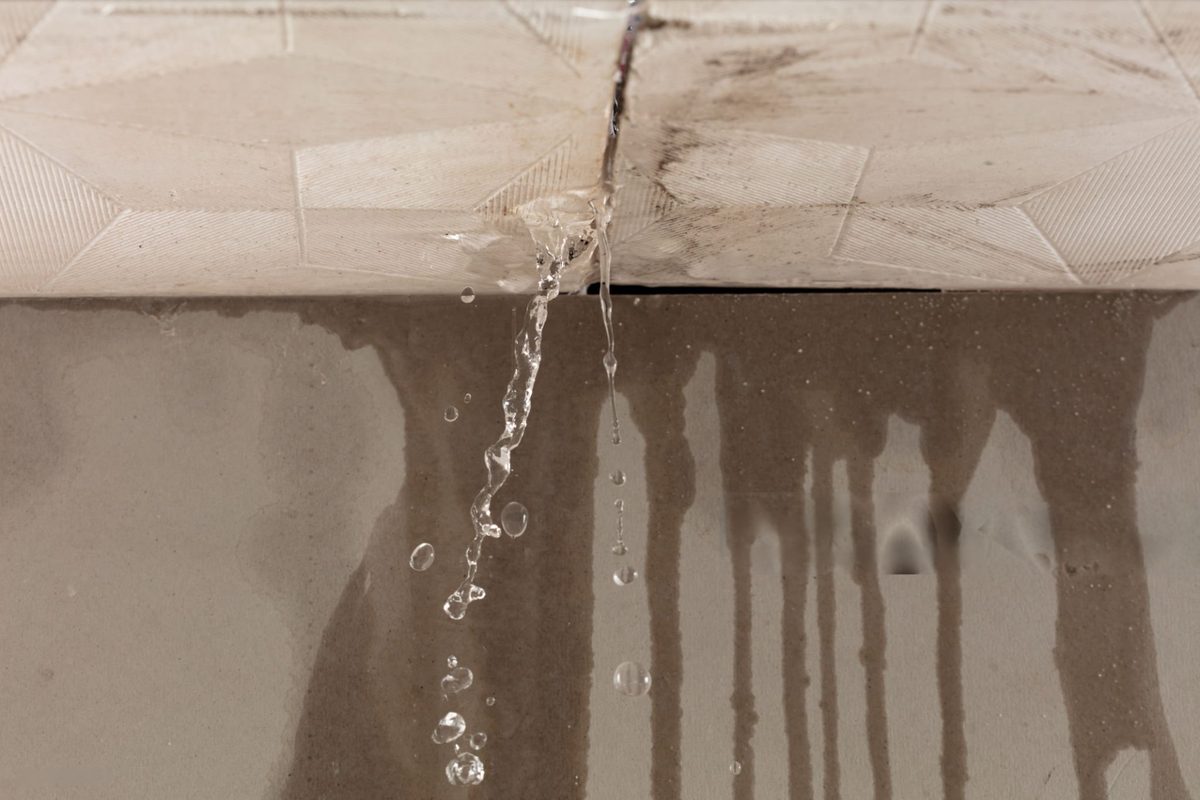
If water is actively coming through, place a container to catch it and move anything valuable out of the way. If a ceiling is visibly bulging with trapped water, a small controlled hole to relieve the pressure can prevent a larger, uncontrolled ceiling collapse — but this is a judgment call, and if you're unsure, it's better to just contain what's dripping and call for help.
Don't go on the roof yourself
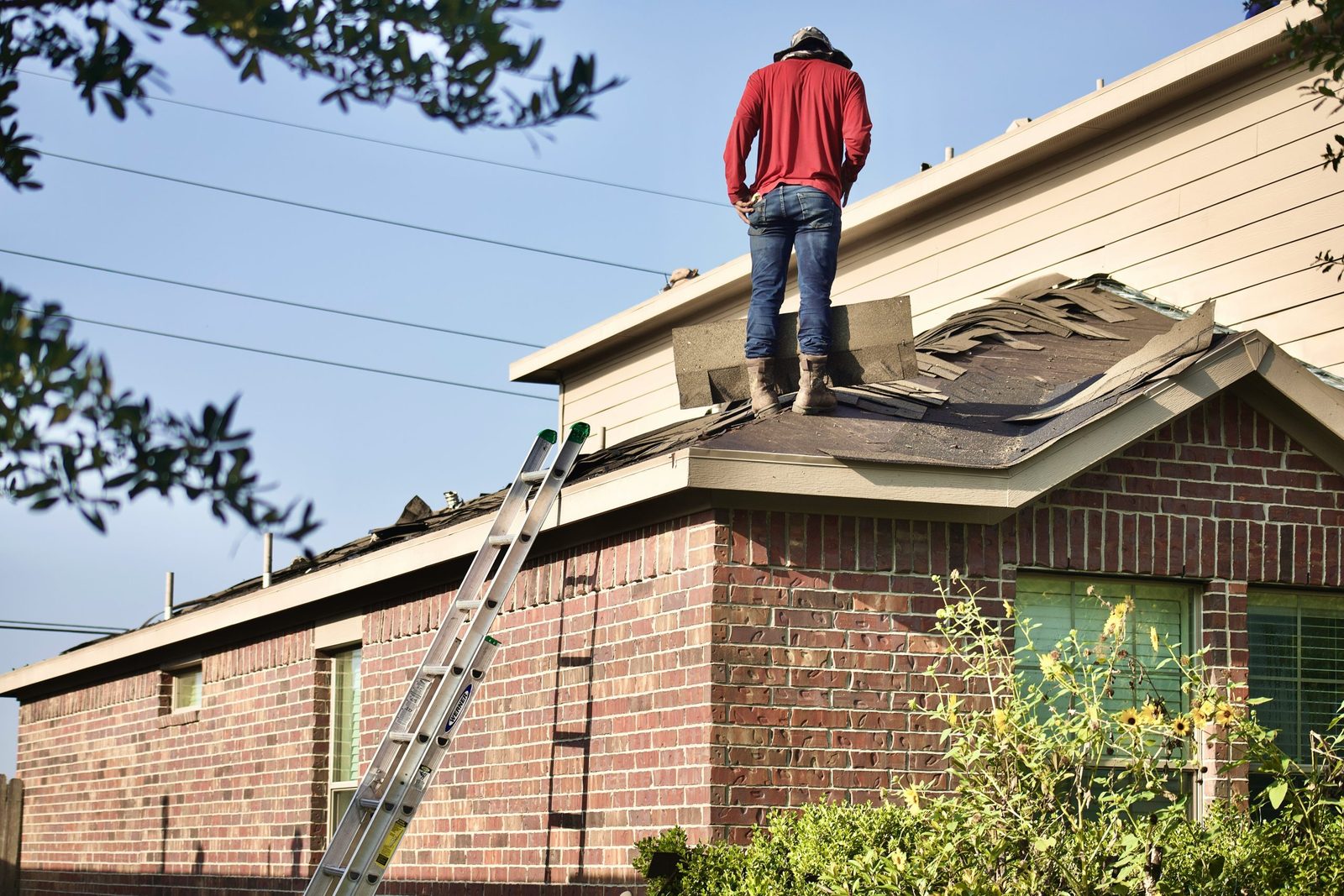
It's tempting to want to see the source immediately, but a wet or storm-damaged roof is more dangerous to walk than it looks, and finding the actual entry point often requires more than a quick glance anyway. Leave that part to a professional inspection.
Where the leak shows up isn't always where it starts
Water travels along the underside of the deck, framing and insulation before it finds a path down through the ceiling, so a stain in one room doesn't necessarily mean the roof problem is directly above it. This is one of the most common sources of confusion when homeowners try to diagnose a leak themselves — the real entry point might be several feet away, at a flashing detail or valley uphill from where the stain appears.
Document what you can safely see
Photograph the interior damage, note when you first noticed it, and if there was a specific storm or heavy rain event around that time, note the approximate date. This documentation matters whether or not the leak turns out to be storm-related and insurance-eligible.
Call for an inspection promptly
An active leak is a priority, not a routine scheduling item. A prompt inspection can identify the actual source, assess whether it's an isolated flashing or shingle issue versus something broader, and get a real fix scheduled before more water intrusion causes drywall, insulation or structural damage.
Temporary measures versus a real fix
In some situations, a temporary tarp or sealant can slow water intrusion until a permanent repair is scheduled, particularly if weather is preventing immediate work. That's a stopgap, not a solution — the actual cause still needs to be identified and properly repaired, whether that's a failed flashing detail, a cracked shingle, or something more extensive underneath.
What happens after the leak stops
Once the roof itself is repaired, the interior damage still needs attention — a water-stained ceiling, damp insulation, or drywall that's absorbed moisture doesn't dry out and repair itself just because the leak is fixed. Depending on how long the leak was active, that can mean anything from a simple repaint to replacing a section of drywall and insulation, which is worth factoring into your timeline and, if applicable, your insurance conversation.
A leak that only shows up during heavy rain
Some leaks are inconsistent, only appearing during wind-driven rain from a particular direction rather than every time it rains. That pattern is actually useful information — it often points toward a specific flashing detail or wind-vulnerable spot rather than a widespread problem, and it's worth mentioning to whoever inspects the roof so they know exactly what conditions to look for.
Keeping notes while you wait for the inspection
If there's any gap between noticing the leak and getting an inspection scheduled, jot down when it seems to get worse — heavy rain, high wind, a specific time of day — and whether it's slowed or changed at all. Small details like that, easy to forget once the appointment actually happens, can meaningfully speed up how quickly the source gets pinpointed.
When an active leak becomes an emergency
A slow, occasional drip is different from water actively pouring in or a ceiling that's visibly sagging under trapped water. The latter warrants treating the situation as urgent — containing what you can, protecting belongings, and getting a same-day response rather than waiting for a standard scheduling slot. We treat active leaks as a priority rather than routine scheduling for exactly this reason.
Frequently asked questions
Is it normal for a leak to show up somewhere other than directly under the damage?
Yes, this is common. Water follows the path of least resistance along the deck and framing before it becomes visible, so the interior stain and the actual roof problem are often not in the same spot.
Should I try to patch the leak myself?
We'd recommend against climbing onto a damaged or wet roof yourself. A temporary interior fix to manage water, combined with a prompt professional inspection, is the safer approach.
Want the number before anyone visits?
Type your address and we'll measure the roof from aerial imagery — area, pitch and every facet — then price it at our published rate per square. About fifteen seconds, and we don't need your phone number to show you the number.
Storm damage?
Get help restoring your property after damage
Our technicians will give you a detailed damage inspection report, so you have everything your insurance company needs to make a decision.