

Hurricane & Tropical Storm Roof Damage
Hurricane season along the Gulf Coast runs June 1 through November 30, and a single named storm can damage a roof three different ways at once. Here's how we approach each of them.
Houston's hurricane exposure
Greater Houston has lived through very different kinds of storm damage in recent memory. Hurricane Harvey in 2017 is remembered mostly for flooding, but it's a reminder of how much water a slow-moving Gulf system can put into a property, including into attics and soffits through spots a roof would normally shed just fine. Hurricane Beryl in July 2024 caused widespread wind damage across the Houston region, tearing loose shingles, gutters and tree limbs on roofs that hadn't seen that kind of sustained pressure in years. Neither storm affected every roof the same way, which is exactly why a roof-specific look matters more than assuming your house was fine because the block looked fine.
Three ways a hurricane damages a roof
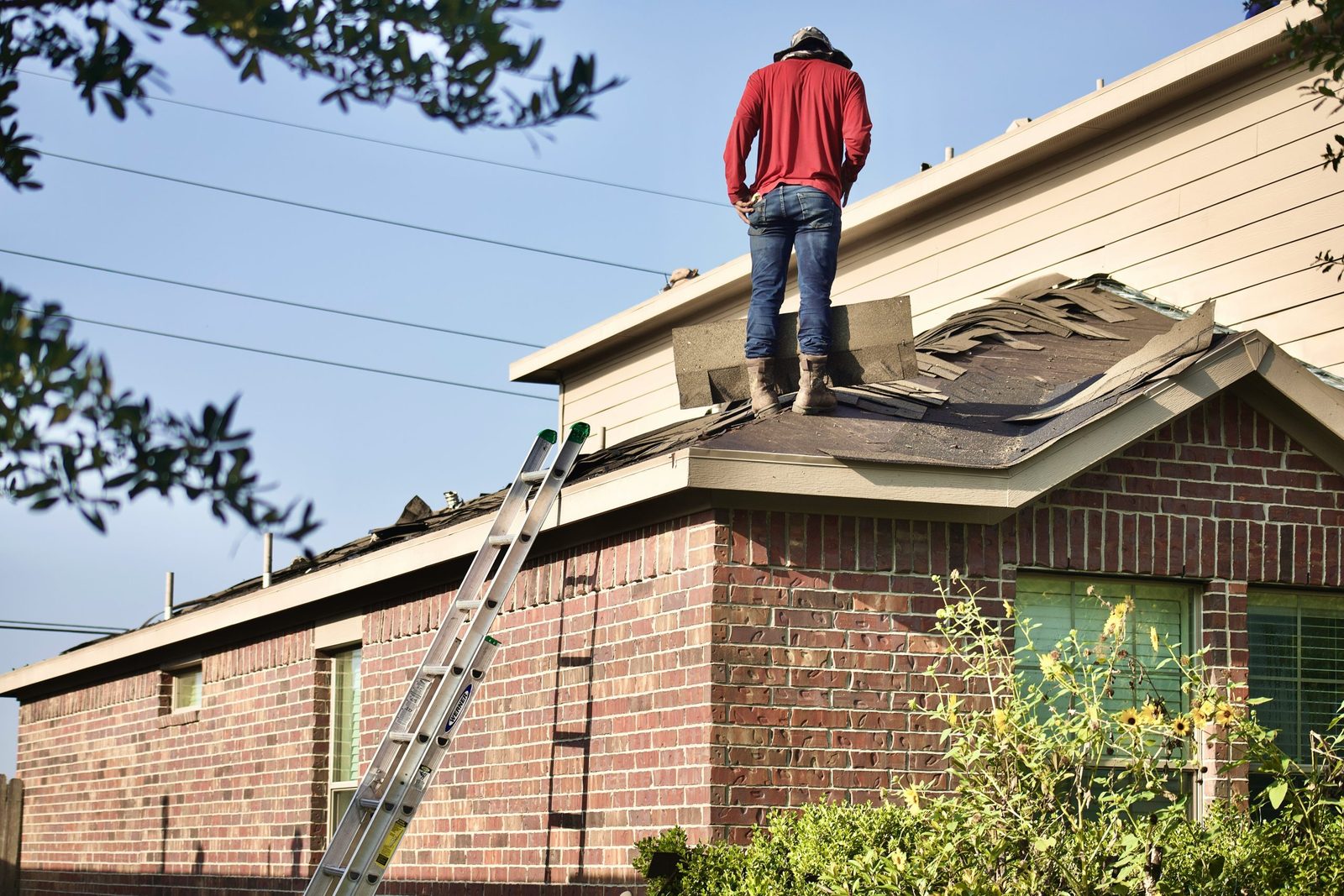
Wind lifts and tears shingles at the edges and ridge, the same way ordinary straight-line wind does, just sustained for longer and at higher force. Wind-driven rain gets pushed sideways and upward under shingles and flashing that would otherwise shed a normal rain just fine, especially around chimneys, vents and valleys that were already marginal. Flying debris — tree limbs, fence panels, material off a neighboring roof — causes impact damage that can land anywhere, not just at the edges. A thorough inspection checks for all three, because each one can look completely different from the ground.
Coastal and bay-area homes
Properties closer to Galveston Bay and the coast generally see higher wind exposure during hurricane season, and some designated Texas coastal counties fall under separate windstorm insurance rules through the Texas Windstorm Insurance Association rather than a standard homeowner's policy. If you're in a coastal or bay-area community, it's worth confirming with your insurer ahead of time how your specific property is covered.
What we do after a hurricane
If a roof is actively leaking or missing decking after a storm, temporary protection usually comes first — see Emergency Roof Tarping for how that works and what to expect. From there, a full inspection documents wind, rain and debris damage together, and we scope repair or replacement based on what's actually there rather than the storm's name alone.
Getting ready before the next one
A lot of hurricane damage is worse than it needs to be because a roof already had a weak point — loose flashing, a marginal seal, poor ventilation — before the storm ever arrived. Our Hurricane Season Roof Center covers a season-by-season checklist for getting a Houston roof ready before storm season and what to do once one has passed.
Frequently asked questions
When does hurricane season run in Houston?
June 1 through November 30 along the Gulf Coast, with the most active stretch historically falling between August and October.
Does a hurricane damage a roof differently than a regular storm?
The mechanisms are similar to wind and hail damage generally, but a hurricane combines sustained wind, wind-driven rain and debris impact over a longer period, which is why damage can be more widespread and harder to spot all at once.
My roof looks fine after Beryl or a similar storm. Should I still get it checked?
Yes. Wind and wind-driven rain damage aren't always visible from the ground, and a roof that looks fine from the street can still have lifted shingles or compromised flashing that leads to a leak weeks later.
Are coastal Houston-area homes covered differently for hurricane damage?
Some designated Texas coastal counties use separate windstorm insurance rules through the Texas Windstorm Insurance Association. If you're near the coast or the bay, confirm with your insurer how your policy specifically handles wind damage.
Want the number before anyone visits?
Type your address and we'll measure the roof from aerial imagery — area, pitch and every facet — then price it at our published rate per square. About fifteen seconds, and we don't need your phone number to show you the number.
Storm damage?
Get help restoring your property after damage
Our technicians will give you a detailed damage inspection report, so you have everything your insurance company needs to make a decision.