
Hurricane Season Roof Center
Hurricane season runs June 1 through November 30 along the Gulf Coast. This page covers what to do before it starts, while a storm is approaching, and after it passes.
Before the season starts
- Schedule a roof inspection in the spring, before storm season ramps up, so any existing weak points get addressed while there's time.
- Clear gutters and downspouts so heavy rain has somewhere to go instead of backing up under the roof edge.
- Trim tree limbs that overhang the roof, since falling limbs are one of the more common sources of wind-related roof damage.
- Photograph your roof and property while everything is in good condition, as a baseline for comparison if a storm does cause damage later.
- Read through your insurance policy, including your wind and hail deductible, before you need to use it.
When a storm is approaching
- Secure or bring inside anything on patios, balconies or the yard that could become airborne debris.
- Confirm any loose gutters, downspouts or fascia are as secure as possible.
- Charge phones and cameras so you can document conditions immediately after the storm passes.
- Follow official evacuation and preparedness guidance for your specific area — roof prep is secondary to personal safety.
After the storm passes
- Check for safety hazards first — downed lines, standing water, structural concerns — before thinking about the roof itself.
- Photograph visible damage from the ground rather than climbing onto a wet or debris-covered roof.
- Schedule a professional inspection promptly, since many policies require timely notice of damage.
- Keep all documentation — photos, inspection reports, any correspondence with your insurance carrier.
- Be cautious of unfamiliar crews going door to door immediately after a storm; verify a contractor has a genuine local address before signing anything.
Coastal and bay-area considerations
Homes closer to Galveston Bay and the coast generally see higher wind exposure during hurricane season, and some designated Texas coastal counties fall under separate windstorm insurance rules through the Texas Windstorm Insurance Association (TWIA) rather than a standard homeowner's policy. If you're in a coastal or bay-area community, it's worth confirming with your insurer ahead of time how your specific property is covered, rather than finding out during a claim.
What a hurricane actually does to a roof
The damage from a tropical storm or hurricane isn't just one thing. Sustained wind can lift shingles at the edges and ridge, where pressure is highest, even without a single gust strong enough to tear a whole section off. Wind-driven rain can find its way under shingles that are otherwise intact, especially around flashing and penetrations that were already marginal before the storm. And flying debris — tree limbs, fence panels, loose material from neighboring properties — can cause impact damage anywhere on the roof, not just at the edges. That variety is part of why a full inspection after a storm matters more than a quick look from the driveway; each of those failure modes can look completely different from the ground.
Humidity after a storm adds its own complication. A roof that took on water, even a small amount, is sitting under Houston's heat and humidity while any hidden moisture works its way into decking and insulation. That's one more reason to get a professional look promptly rather than waiting to see if a stain eventually shows up on the ceiling.
Frequently asked questions
When does hurricane season officially run?
June 1 through November 30 along the Gulf Coast, with activity historically more concentrated from August through October.
Should I get my roof inspected before or after hurricane season?
Both, ideally. A pre-season inspection catches existing weak points before they're tested by a storm. A post-storm inspection documents any new damage while it's fresh.
What should I do if I can't get an inspection right away after a storm?
Document what you can safely see from the ground, address any active leaks with temporary measures, and schedule an inspection as soon as possible. Most policies require reasonably prompt notice of damage.
Want the number before anyone visits?
Type your address and we'll measure the roof from aerial imagery — area, pitch and every facet — then price it at our published rate per square. About fifteen seconds, and we don't need your phone number to show you the number.
Storm damage?
Get help restoring your property after damage
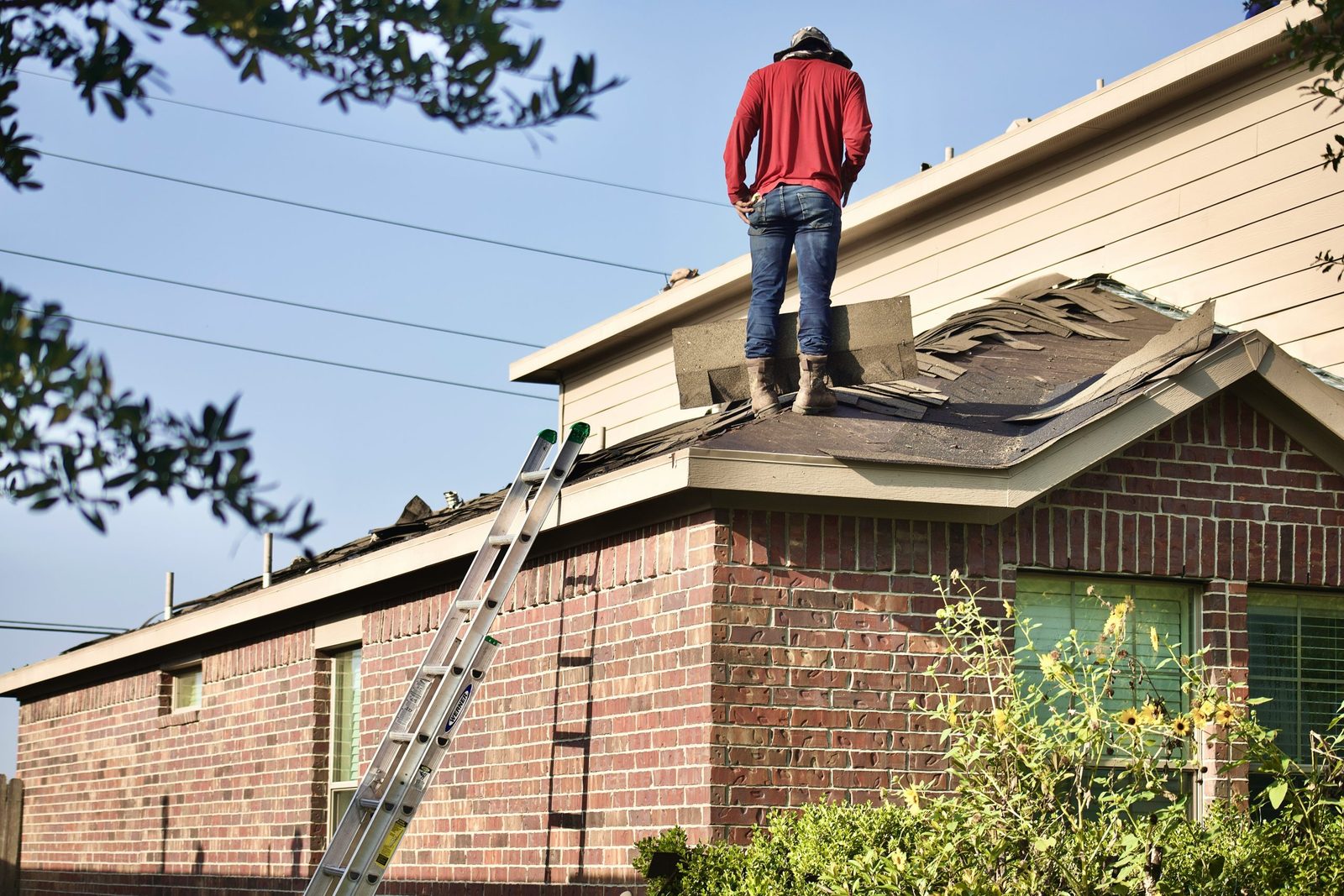
Our technicians will give you a detailed damage inspection report, so you have everything your insurance company needs to make a decision.