
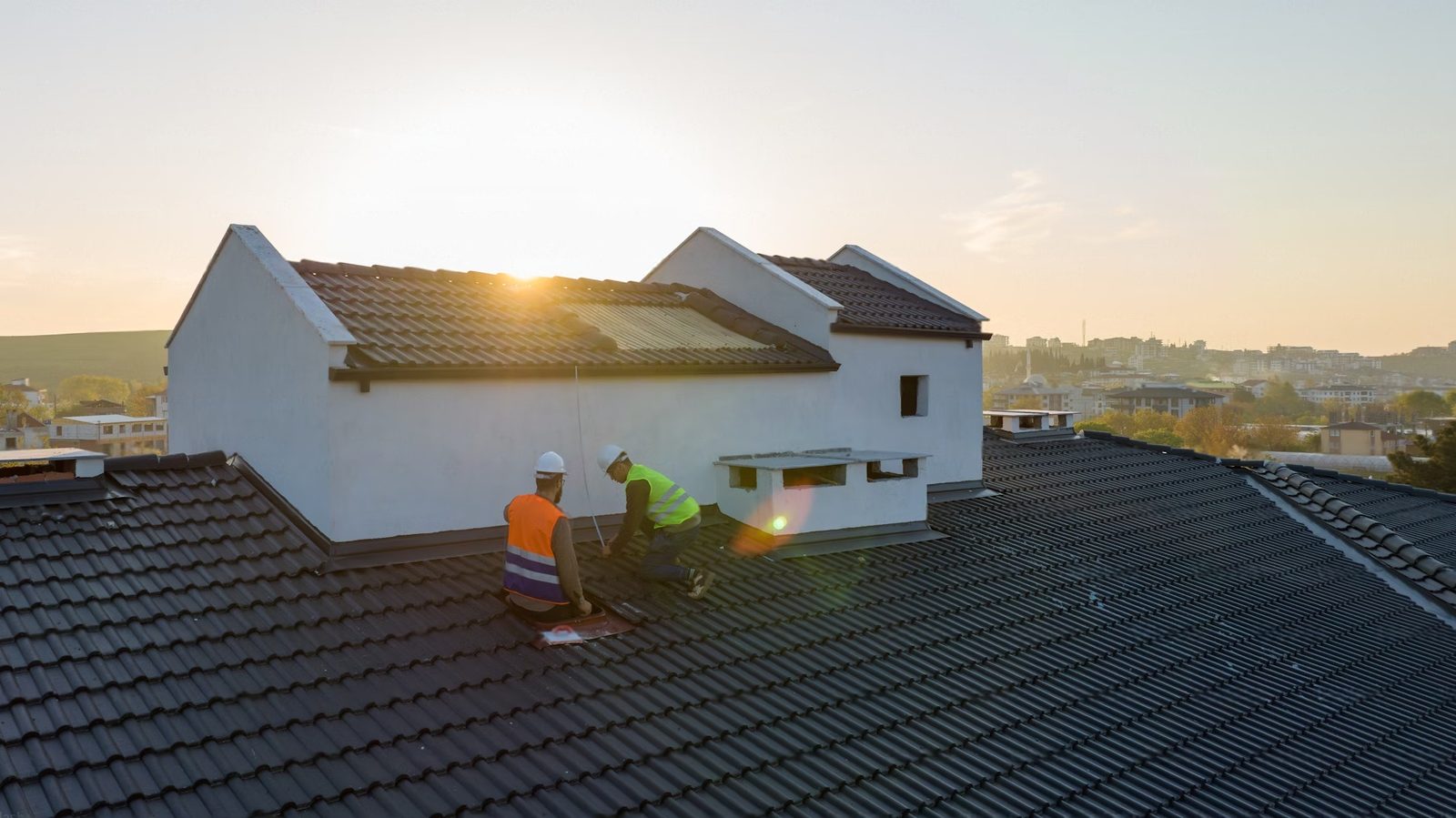
Why Your Roof Makes Noise, and What Attic Heat Has to Do With It
A roof that pops and ticks as the sun goes down, or a bedroom above the garage that never quite cools off, are two of the more common comfort complaints that trace back to the same roof system.
Thermal expansion is the source of most ordinary roof noise
Roofing materials, decking and framing all expand slightly as they heat up during the day and contract as they cool in the evening. That movement, especially the sharper temperature drop after sunset, is what produces the ticking and popping sounds many homeowners notice, particularly in a house with a metal component like flashing or a vent that shifts more noticeably than the wood around it.
Rain noise depends on what's between you and the roof
How loud rain sounds indoors has more to do with attic insulation and the ceiling assembly below the roof deck than with the shingles themselves. A well-insulated attic dampens rain noise noticeably compared to a thinly insulated one, even with an identical roof on top.
Telling thermal noise apart from something worth checking
Ordinary thermal ticking is typically brief, tied to temperature changes at dawn and dusk, and consistent night after night. A flapping, rhythmic sound during wind, a persistent scratching or scurrying noise, or a new sound that shows up only during storms are different patterns worth having checked rather than dismissed as normal expansion.
Critters versus roof movement
Scratching, scampering or gnawing sounds, especially concentrated in one area or active mainly at dawn and dusk, more often point to animal activity than thermal movement. See our guide on how trees affect roof health for how overhanging branches often give animals their access point in the first place.
Why attic heat matters for comfort, not just shingles
Poor ventilation is usually discussed in terms of shingle life, but the same trapped heat directly affects comfort in rooms below a hot attic, particularly a bedroom or bonus room over a garage or under a low-pitched section of roof. A homeowner dealing with one specific hot room in the house is often dealing with a localized ventilation or insulation gap rather than a whole-house HVAC problem.
When a flapping or loose sound signals actual damage
A rhythmic flapping sound during wind, rather than an occasional tick or pop, often means a piece of flashing, a ridge cap, or a loose shingle tab has come partially detached and is moving in the wind. That's worth a prompt look rather than waiting, since a component that's already loose is more vulnerable in the next storm.
What an inspection can actually tell you
If roof noise or a persistently hot room has you wondering whether something's actually wrong, a free inspection checks ventilation balance, flashing condition and any loose components directly, rather than leaving you guessing between normal thermal behavior and something that needs attention.
How the time of year changes what you notice
Thermal ticking tends to be most noticeable during the sharpest temperature swings of the year — a hot summer afternoon cooling into evening, or a rare cold snap breaking after sunrise. A sound that seems louder or more frequent during one of those stretches usually just reflects a bigger temperature swing that day, not a change in the roof itself.
When a hot upstairs room is worth a second look
A single consistently hot room, especially one that stays warm even with the HVAC running normally, is different from a house that's simply warm everywhere during a Houston summer. That kind of localized heat often traces back to a specific gap in ventilation or insulation directly above that room, which an inspection can usually pinpoint rather than leaving it as a mystery you just live with.
Frequently asked questions
Is roof popping and ticking normal?
Generally yes, especially at dawn and dusk when temperatures shift most. It's the sound of materials expanding and contracting, and on its own isn't a sign of damage.
Why is the room under my roof always hotter than the rest of the house?
It's often a localized ventilation or insulation gap in that specific section of attic rather than a whole-house issue. An inspection can pinpoint whether it's airflow, insulation, or both.
Should I be worried about scratching sounds in the attic?
It's worth checking. Persistent scratching, especially at consistent times of day, more often points to animal activity than normal roof movement.
Want the number before anyone visits?
Type your address and we'll measure the roof from aerial imagery — area, pitch and every facet — then price it at our published rate per square. About fifteen seconds, and we don't need your phone number to show you the number.
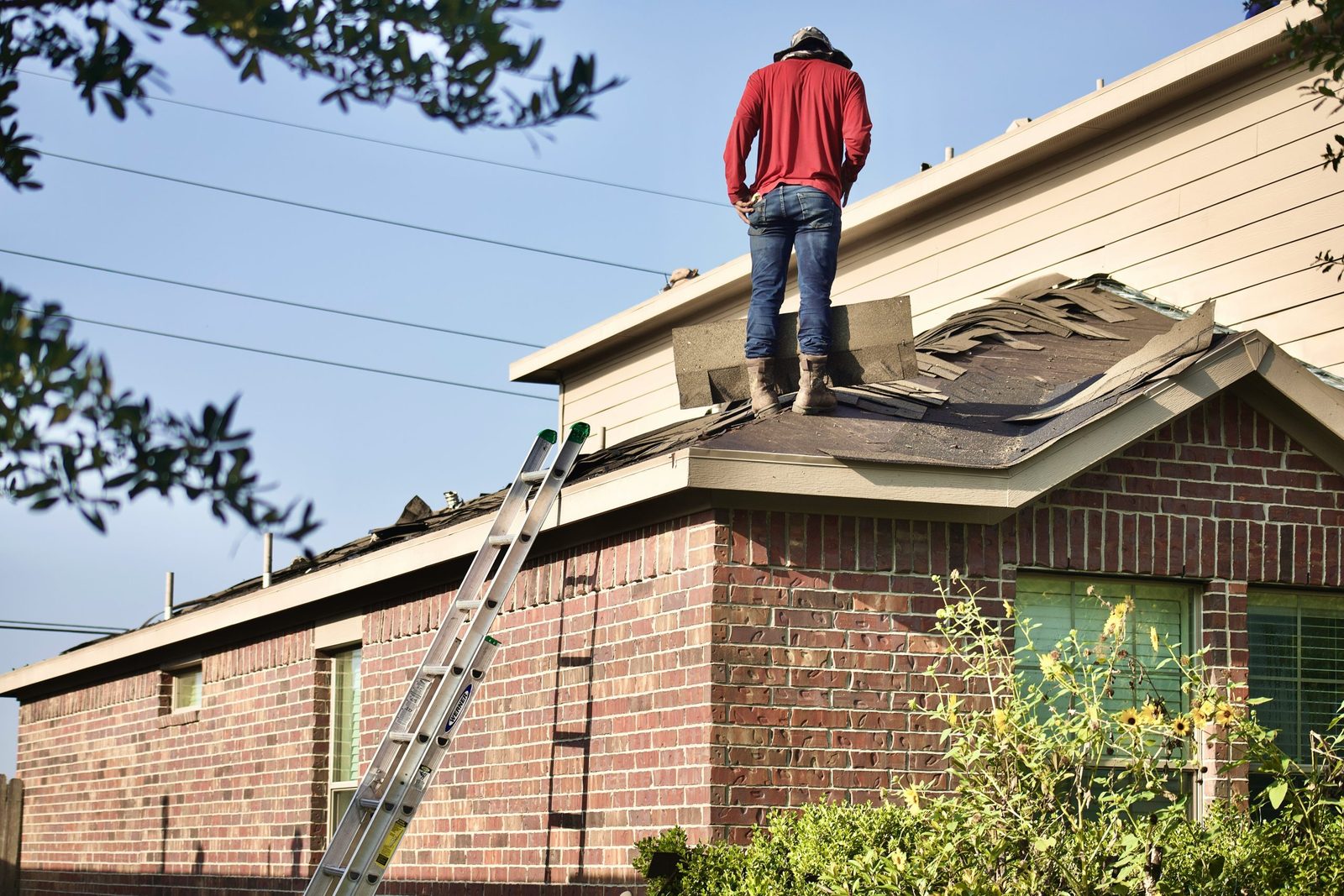
Storm damage?
Get help restoring your property after damage
Our technicians will give you a detailed damage inspection report, so you have everything your insurance company needs to make a decision.