
Schedule a Free Roof Inspection
No cost, no obligation, and no pressure to sign anything on the spot. Here's exactly what happens when you schedule one.
What our inspection covers
- Shingle condition — granule loss, curling, cracking or hail bruising across the roof surface.
- Flashing and penetrations around chimneys, vents, skylights and walls, where most leaks actually start.
- Ventilation, checking that intake and exhaust are balanced and functioning.
- Decking condition, where accessible, including soft spots or signs of past water intrusion.
- Gutters and drainage around the roofline, since poor drainage contributes to edge and fascia damage.
- Overall service life, giving you an honest read on how much time the roof realistically has left.
How to prepare
- Clear vehicles from the driveway so our technician has full access to the roofline.
- Let us know about dogs or other pets on the property.
- Mention any specific concerns — a leak, a stain on the ceiling, a spot you're worried about — so we make sure to look closely there.
- Have any past inspection reports or insurance documentation handy if this inspection relates to an existing claim.
What you'll receive afterward
You get a written report with photographs documenting what we found, whether or not you decide to move forward with any work. If the roof genuinely doesn't need anything, we'll tell you that directly — a free inspection isn't a sales pitch in disguise. If repair or replacement makes sense, you'll also get an itemized estimate based on aerial measurement of your actual roof, not a rough guess.
When to schedule one
The obvious time is after a significant storm, even if the roof looks fine from the ground — wind and hail damage aren't always visible without a close look. Beyond storms, it's worth scheduling an inspection if you're buying or selling a home, if your roof is approaching the upper end of its expected service life, or simply as routine maintenance every year or two. Catching a small problem during a routine inspection is almost always cheaper and less disruptive than discovering it as an active leak.
What happens if we find damage
Finding damage doesn't automatically mean a full replacement, and we won't present it that way. If the damage is isolated — a section of missing shingles, a flashing detail that's failed at one chimney — a repair is usually the right call, and we'll say so. If the damage is storm-related, we'll walk you through what typically qualifies for an insurance claim and point you to Insurance Claim Resources for the documentation process. If the roof is old enough or damaged enough that replacement genuinely makes more sense, we'll explain why in plain terms rather than assuming you'll take our word for it. Either way, the written report and photographs are yours to keep, whether you move forward with us, get a second opinion, or simply file it away for later.
Frequently asked questions
Is the inspection really free, with no obligation?
Yes. There's no cost and no requirement to hire us for any work afterward, regardless of what we find.
How long does an inspection take?
Most residential inspections take well under an hour, depending on the size and complexity of the roof and whether attic access is involved.
Can you inspect a roof I'm about to buy or sell?
Yes. A pre-listing or pre-purchase inspection gives you a clear, documented picture of the roof's condition to work from during negotiations.
Will someone try to sell me something during the inspection?
You'll get an honest assessment and, if work is genuinely needed, a written estimate. There's no pressure to decide on the spot, and no scripted sales pitch.
Want the number before anyone visits?
Type your address and we'll measure the roof from aerial imagery — area, pitch and every facet — then price it at our published rate per square. About fifteen seconds, and we don't need your phone number to show you the number.
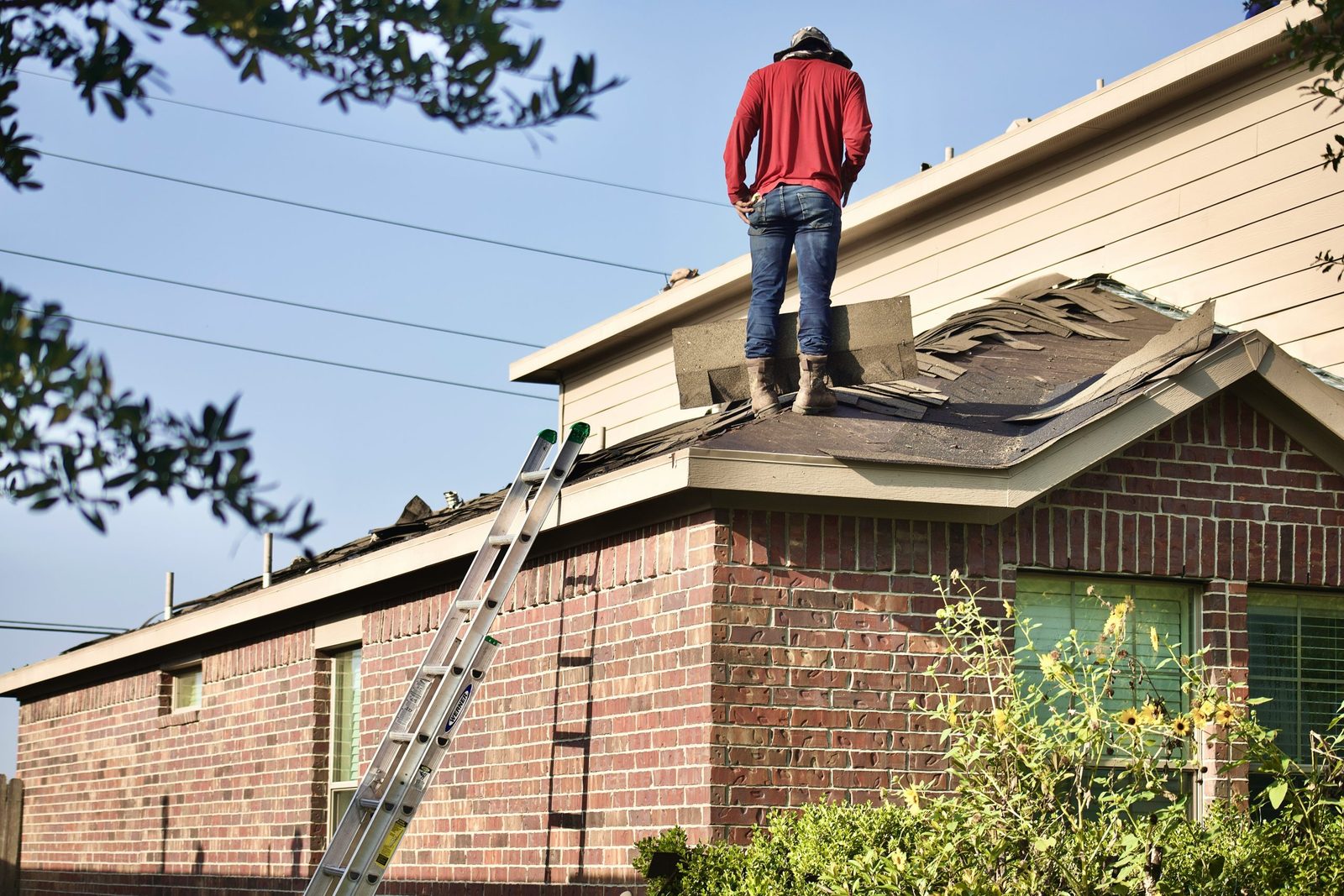
Storm damage?
Get help restoring your property after damage
Our technicians will give you a detailed damage inspection report, so you have everything your insurance company needs to make a decision.