
What Actually Affects the Cost of a Roof Replacement
Every roof is priced differently because every roof is actually different. Rather than guess at a number, here's what genuinely moves the estimate up or down.
Roof size and complexity
The total square footage of the roof is the obvious starting point, but complexity matters just as much. A roof with multiple planes, dormers, valleys and hips takes more time and material to detail correctly than a simple rectangular roof of the same overall size. Aerial measurement using Nearmap imagery lets us calculate both the size and the complexity accurately before scoping a project, rather than estimating from a rough guess.
Pitch and accessibility
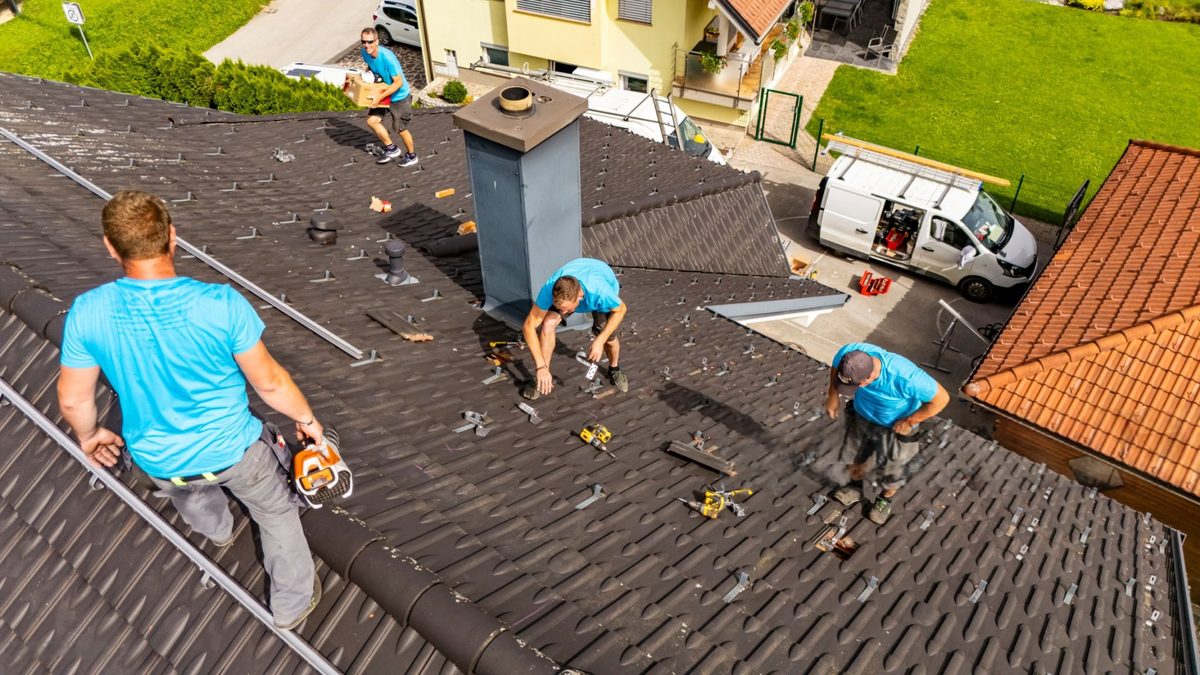
Steeper roofs take longer to work safely, require more fall-protection equipment, and generally cost more in labor than a low-pitch roof of the same size. Accessibility matters too — a roof surrounded by mature trees, tight setbacks, or limited driveway access for staging materials can add time to a project regardless of the roof's actual footprint.
Decking condition underneath
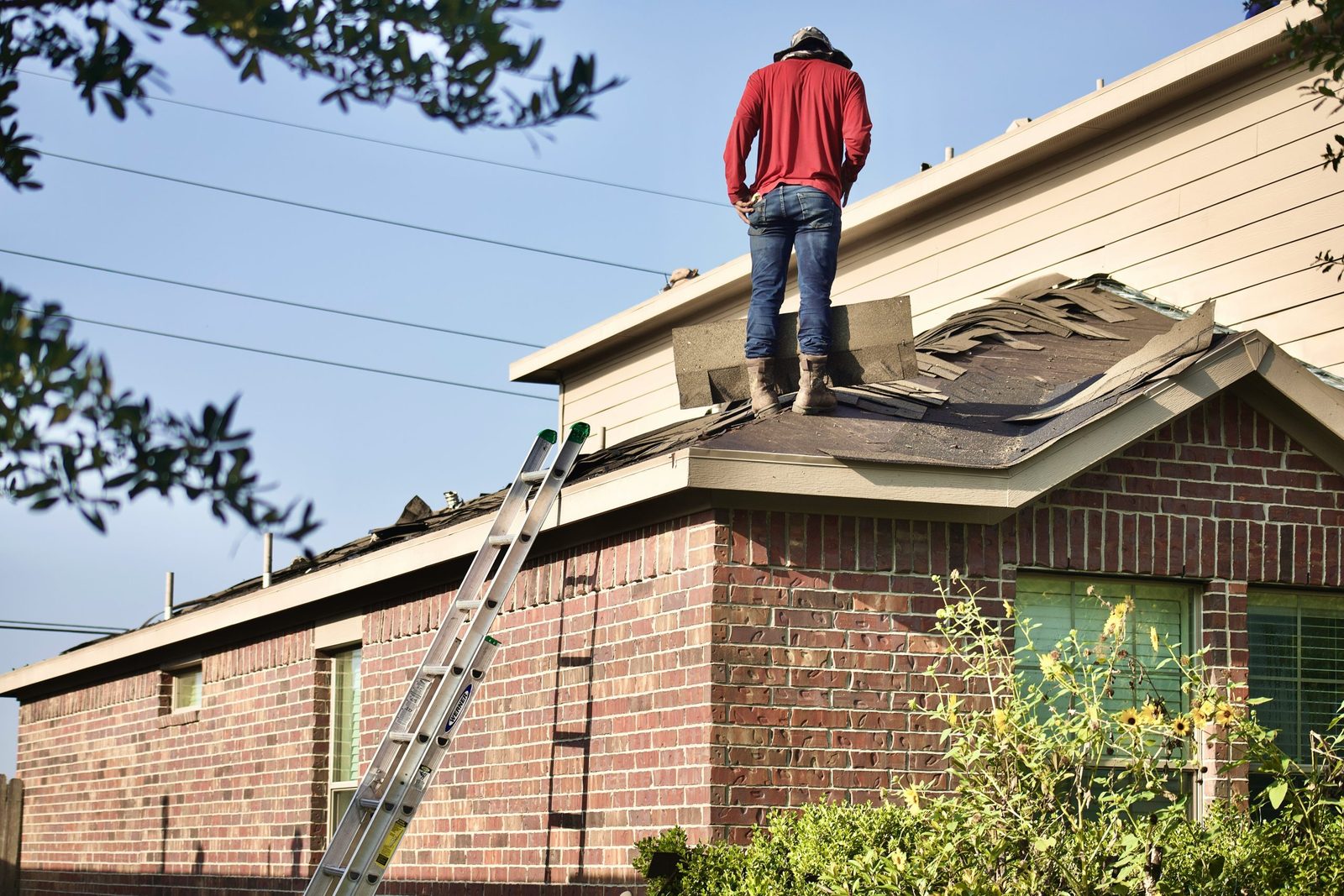
Tear-off is the only way to actually see what condition the decking is in, and soft or water-damaged decking needs to be replaced before new roofing goes down. This is one of the more common reasons a final scope changes from the initial estimate — not because of anything dishonest, but because decking damage genuinely isn't visible until the old material comes off.
Material and system choice
Shingle lines vary, and the ventilation, underlayment and flashing components chosen as part of a full system affect the total scope. A matched system installed together, rather than mixed components, tends to perform better and align with manufacturer warranty requirements, which is part of why we install complete systems rather than picking individual parts a la carte.
Tear-off versus roofing over
Installing new shingles over an existing layer is cheaper up front because it skips tear-off and decking inspection entirely. It's also not something we do, since it hides the true condition of the deck and generally voids manufacturer warranty coverage. A proper tear-off costs more than a roof-over, but it's the only way to know the new roof is going onto a sound foundation.
Permits and any code-required upgrades
Permit requirements vary by city across Greater Houston and can change, so they're confirmed as part of scoping a project rather than assumed. Occasionally a permit process surfaces a code-required upgrade — something like updated flashing or ventilation standards — that adds a small amount to the project. This is handled during the estimate stage, not sprung on you afterward.
Insurance versus paying out of pocket
If the project is going through an insurance claim, the carrier's scope of loss and payout structure become part of the cost conversation. Out-of-pocket projects are priced the same way, itemized and based on actual measurements, but without a claim's documentation and supplement process in the mix. For a real number on your specific roof, our roof cost calculator measures your roof from aerial imagery and gives you an actual estimate rather than a general range.
Financing, if paying out of pocket in one lump sum doesn't fit
For projects not tied to an insurance claim, financing options are one way to spread a project's cost over time rather than paying the full amount upfront. See Financing for how that works through our finance partner if it's relevant to your project.
Why two estimates for the same roof can look different
It's common to get two estimates on the same roof that don't match, and the gap usually comes down to what's actually included rather than one contractor simply charging more. Differences in whether tear-off is included, which underlayment and ventilation components are specified, how thorough the flashing detail work is, and what the workmanship warranty covers all show up in the final number. Comparing itemized scopes side by side, not just totals, is the only fair way to evaluate two estimates against each other.
Timing and scheduling can factor in too
Demand shifts throughout the year, with material availability and crew scheduling tighter during the weeks right after a widespread regional storm than during a quieter stretch. That doesn't usually change the itemized pricing on a specific roof, but it can affect how far out a project gets scheduled, which is worth asking about directly if timing matters to you.
The fastest way to get a real number
General factors are useful for understanding an estimate once you have one, but they're not a substitute for an actual measurement of your specific roof. Aerial imagery lets us calculate size, pitch and complexity accurately before anyone sets foot on the property, which is the quickest path from a general question about cost to a written, itemized number you can actually plan around.
Want the number before anyone visits?
Type your address and we'll measure the roof from aerial imagery — area, pitch and every facet — then price it at our published rate per square. About fifteen seconds, and we don't need your phone number to show you the number.
Storm damage?
Get help restoring your property after damage
Our technicians will give you a detailed damage inspection report, so you have everything your insurance company needs to make a decision.