
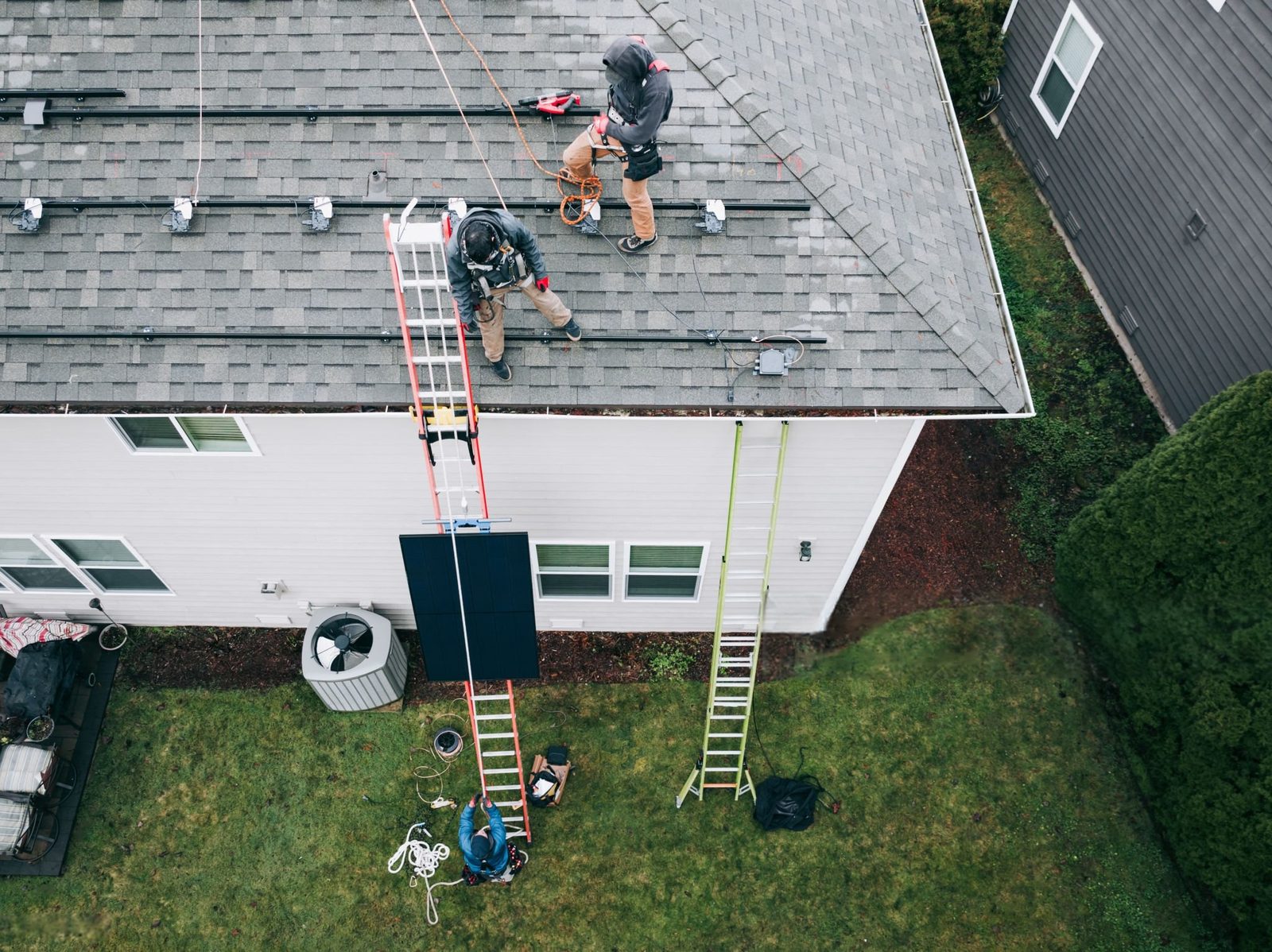
How a Project With Americo Roofing Works
No mystery, no surprises. Here's exactly what happens between your first call and the day we hand the roof back to you.
1. Free inspection
Every project starts the same way, whether it's a small repair or a full commercial system: a free, no-obligation inspection. A technician walks the roof (or the attic and roofline, where climbing isn't practical) and documents what's actually there — damage, wear, ventilation issues, flashing condition — rather than assuming based on the roof's age alone.
2. Aerial measurement
For estimating purposes, we use Nearmap aerial imagery to measure the roof's exact dimensions, pitch and complexity. That means your estimate is based on real measurements of your actual roof rather than a rough average, and it lets us prepare accurate numbers quickly.
3. Itemized estimate
You get a written, itemized estimate that breaks down materials and scope of work rather than a single lump figure. If you're working with an insurance claim, we help make sure the scope lines up with what the roof actually needs, including anything a first adjuster estimate might have missed.
4. Scheduling
Once you approve the scope, the project is scheduled and tracked through AccuLynx, our job management system. You get a date range and a point of contact rather than being left to guess when a crew will show up.
5. Tear-off
On replacement projects, we remove the existing roofing material down to the deck. We don't install over an existing layer — tear-off lets us actually see and address any decking damage underneath, and it's required to keep most manufacturer warranties valid. Any decking that's soft, rotted or water-damaged gets replaced at this stage, before anything new goes down on top of it, since building on a compromised deck defeats the purpose of everything that follows.
6. Installation
The new system goes on according to manufacturer specifications — underlayment, starter strip, field shingles or the appropriate low-slope membrane, flashing and ventilation components working together rather than as an afterthought. Flashing at chimneys, walls, vents and valleys gets the same attention as the field shingles themselves, since that's where the majority of future leaks would otherwise start. Ventilation components go in as part of the same system rather than an optional extra, because a roof with the right shingles and the wrong airflow underneath still won't perform the way it should in Houston's climate.
7. Cleanup and magnet sweep
Before we consider a job finished, the property gets cleaned up and swept with a magnetic roller to catch stray roofing nails from the driveway, yard and landscaping — not just a visual check.
8. Final walkthrough
We walk the finished project with you, answer any questions, and go over your warranty coverage before we leave. If anything doesn't look right, this is when we address it — not after you've had to call back.
Frequently asked questions
How long does the whole process take, start to finish?
From inspection to installation, timing depends on scheduling, whether an insurance claim is involved, and material availability. The installation itself is usually the shortest part — most residential replacements take one to two days, weather permitting.
Do I need to be home during installation?
Not for the entire day, but we do ask that someone is reachable, and we recommend being present for the final walkthrough so any questions get answered on the spot.
What if bad weather delays the project?
Roofing work depends on dry conditions. If weather pushes the schedule, we communicate the new timeline rather than leaving you guessing.
Want the number before anyone visits?
Type your address and we'll measure the roof from aerial imagery — area, pitch and every facet — then price it at our published rate per square. About fifteen seconds, and we don't need your phone number to show you the number.
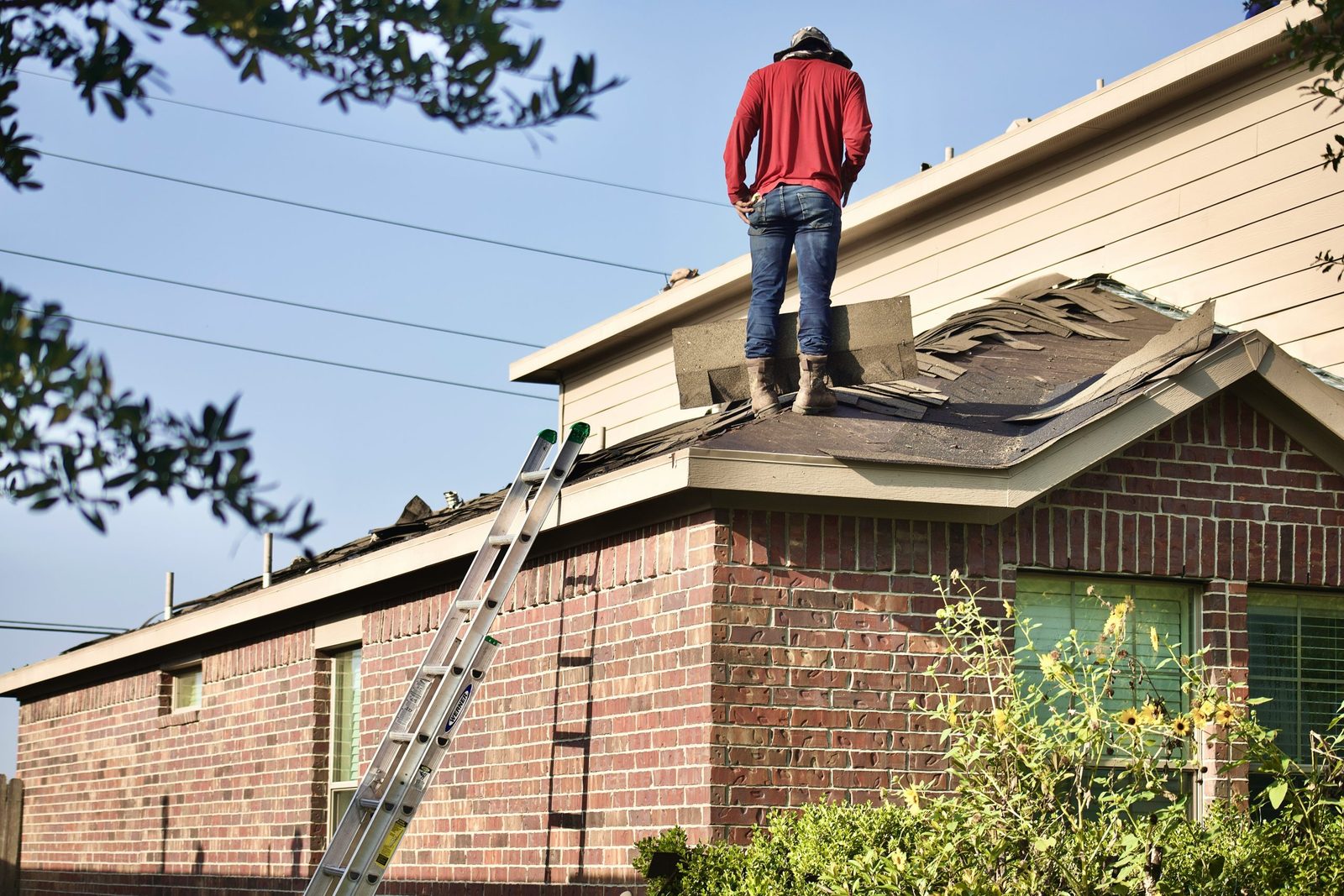
Storm damage?
Get help restoring your property after damage
Our technicians will give you a detailed damage inspection report, so you have everything your insurance company needs to make a decision.