
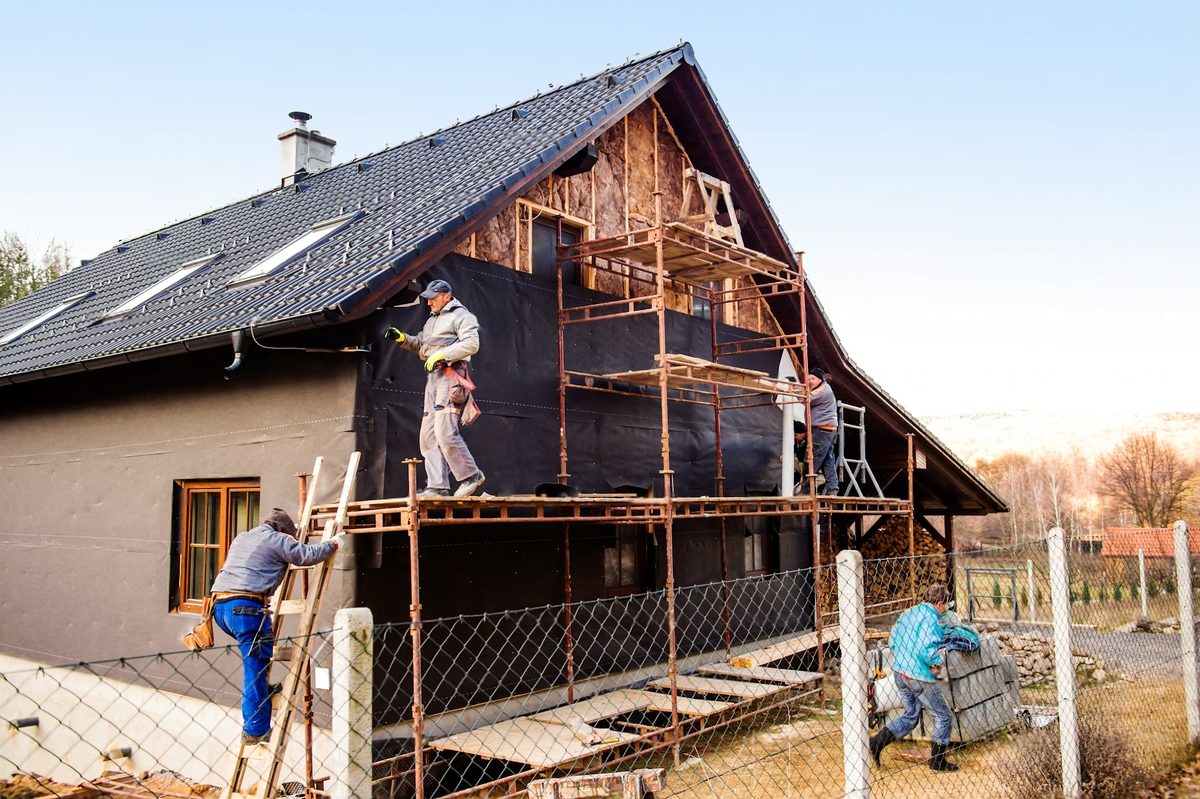
Roof Underlayment, Explained
It's the layer nobody sees once a roof is finished, but it's doing real work as the backup barrier between your home and the weather.
What underlayment actually does
Underlayment is a water-resistant layer installed directly on the roof deck, underneath the shingles. Its job is to act as a secondary barrier against moisture, catching water that manages to get past the shingles themselves — from wind-driven rain, ice, or a shingle that's been damaged or blown loose — before it can reach the wood deck below.
Synthetic underlayment versus traditional felt
Traditional felt underlayment has been used for decades and remains a functional option, but many modern roofing systems, ours included, use synthetic underlayment instead. Synthetic materials are generally lighter, more tear-resistant, and hold up better to foot traffic and sun exposure during installation than older felt products, which matters on a project that can take a day or more to complete.
Ice and water barrier at the most vulnerable spots
Beyond the standard underlayment covering the whole roof deck, self-adhering ice and water barrier is typically installed at the areas most prone to leaks — valleys, eaves, and around penetrations like chimneys and vent pipes. While Houston doesn't see the ice buildup this product was originally designed around in colder climates, the same self-sealing, wind-driven-rain protection is valuable in our own storm conditions.
How underlayment fits into warranty coverage
Manufacturer system warranties generally expect a matched underlayment product installed alongside the shingles, rather than a lower-cost substitute paired with premium shingles on top. RhinoRoof underlayment is part of the systems we install specifically so the full warranty picture stays intact, not just the shingle layer on its own.
Why it's invisible but not optional
Because underlayment disappears completely once shingles go down, it's easy for homeowners to overlook entirely, and it's also one of the components most likely to get cut corners on by a contractor trying to lower a bid. Asking directly what underlayment is included, and whether ice and water barrier is used at valleys and penetrations, is a reasonable question to ask any roofer before signing.
How underlayment holds up if shingles are damaged temporarily
After a storm strips away a section of shingles, intact underlayment underneath is often the only thing standing between a damaged roof and an active interior leak until repairs are made. That's not a reason to delay a repair, since underlayment is a backup layer rather than a long-term roofing surface on its own, but it does explain why a roof can sometimes survive a stretch of missing shingles without an immediate leak.
Underlayment during a repair versus a full replacement
On a full tear-off replacement, underlayment is installed fresh across the whole roof deck as part of the system. On an isolated repair, only the affected section is typically opened up and re-covered, which is one more reason widespread underlayment issues — found during an inspection rather than at a single damaged spot — often point toward replacement rather than a series of individual repairs.
How to know what's currently under your shingles
Short of a full tear-off, there's no reliable way to see the underlayment on an existing roof from the outside. If it's a question that matters to you — buying a home, considering a repair, or just curious what's actually protecting the house — a roofing contractor can often check accessible attic areas for clues, and any records from the roof's original installation, if available, will typically list what was used.
A component worth asking about, not just assuming
Because underlayment is so easy to overlook, it's one of the more useful specific questions to ask during any roofing estimate, right alongside ventilation and flashing. A contractor who names the exact product, rather than a generic description, is usually a contractor who's thought carefully about the whole system rather than just the shingles on top of it, not just quoting a number and moving on.
Frequently asked questions
Can underlayment alone keep a roof from leaking if shingles fail?
It provides a secondary barrier, not a permanent solution. Underlayment can hold up for a limited time against water intrusion, but damaged or missing shingles still need to be repaired promptly.
Does underlayment need to be replaced along with shingles?
Yes, in a full tear-off replacement, new underlayment goes down as part of the system rather than reusing the old layer, which may be worn or damaged after years of exposure.
Want the number before anyone visits?
Type your address and we'll measure the roof from aerial imagery — area, pitch and every facet — then price it at our published rate per square. About fifteen seconds, and we don't need your phone number to show you the number.
Storm damage?
Get help restoring your property after damage
Our technicians will give you a detailed damage inspection report, so you have everything your insurance company needs to make a decision.