
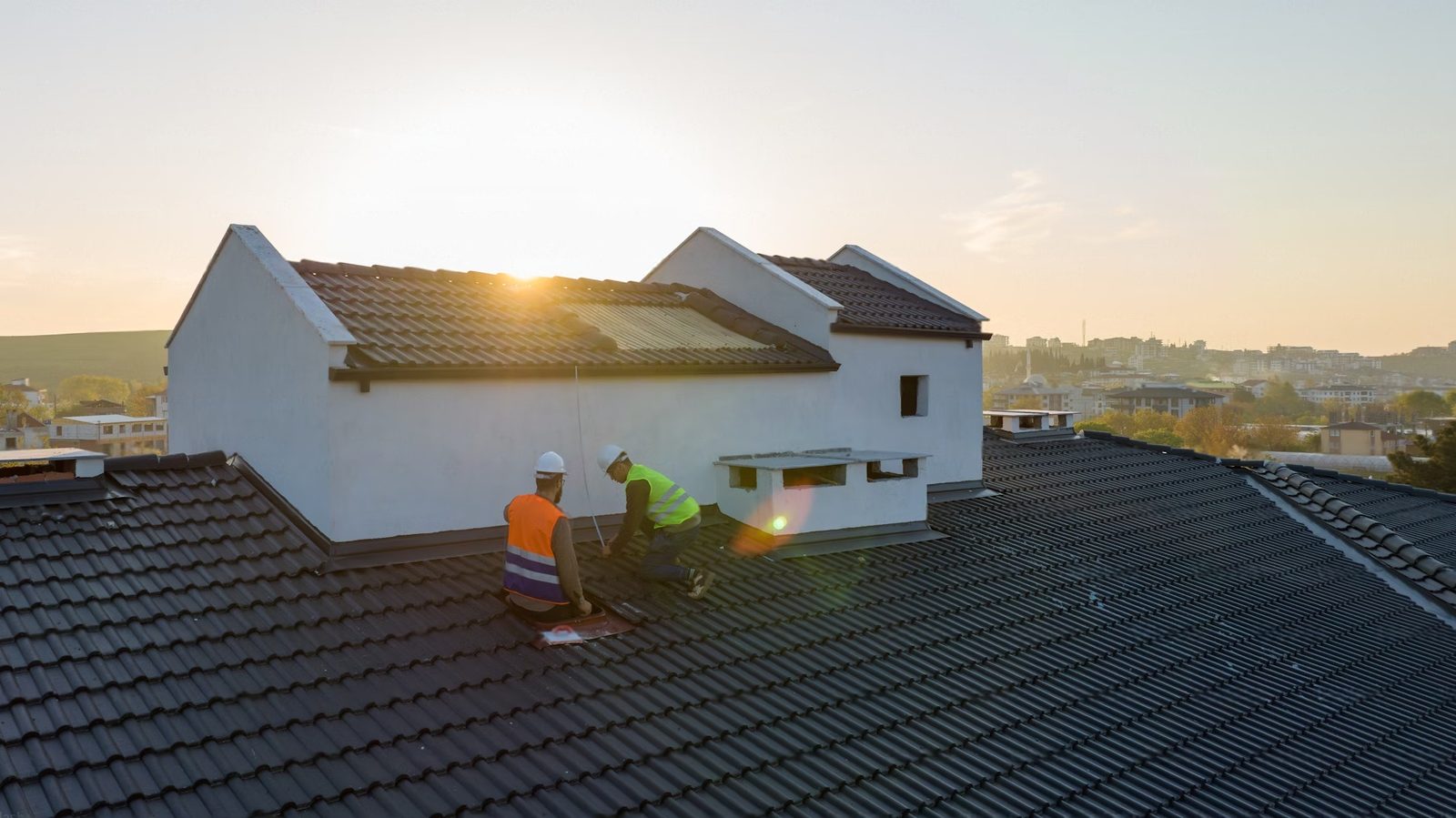
Roofing Glossary: Common Terms Explained
Roofers, adjusters and manufacturers all use their own shorthand. Here's what the common terms actually mean, without the jargon.
A – D
- ACV (Actual Cash Value)
- An insurance payout method that factors in depreciation for the age and condition of what's being replaced, as opposed to its full replacement cost.
- Algae streaking
- Dark streaks on a roof caused by a type of airborne algae (Gloeocapsa magma), common in humid climates like Houston's, mostly cosmetic but linked to shortened shingle life if left unaddressed.
- Attic ventilation
- The system of intake and exhaust vents that lets air move through an attic, controlling heat and moisture buildup under the roof deck.
- Decking (roof deck)
- The structural wood layer, usually plywood or OSB, that shingles and underlayment are attached to.
- Deductible
- The amount a homeowner pays out of pocket on an insurance claim before the carrier's coverage applies.
- Drip edge
- A metal flashing installed along roof edges that directs water away from the fascia and into the gutter.
E – L
- Fascia
- The vertical board that runs along the edge of the roofline, usually where gutters are mounted.
- Flashing
- Thin metal installed at roof joints, valleys, chimneys and penetrations to redirect water away from vulnerable seams.
- Granules
- The mineral coating on the surface of asphalt shingles that provides UV protection and color; granule loss is a sign of aging or damage.
- HOA approval
- A sign-off some homeowners associations require before a roof replacement, often governing shingle color or material within a community.
- Hurricane season
- The period from June 1 through November 30 when tropical storm activity is most likely along the Gulf Coast.
- Ice and water barrier
- A self-adhering underlayment used at vulnerable areas like valleys and eaves for extra protection against wind-driven rain.
- Ledge/step flashing
- Individual pieces of flashing woven into shingle courses along a wall or chimney to shed water in layers.
M – R
- Manufacturer warranty
- Coverage from the shingle or system manufacturer against defects in the materials themselves, independent of who installed the roof.
- Modified bitumen
- A low-slope commercial roofing material made of asphalt reinforced with modifiers for flexibility and durability.
- Nail pops
- Roofing nails that back out of the decking over time, often visible as small raised bumps under a shingle.
- Pitch
- The steepness of a roof, usually expressed as a ratio like 4:12 (4 inches of rise for every 12 inches of run).
- Ponding water
- Water that collects and sits on a low-slope roof for an extended period instead of draining, a common issue on flat commercial roofs.
- RCV (Replacement Cost Value)
- An insurance payout method that covers the cost to replace damaged property without deducting for depreciation, sometimes paid in two stages.
- Ridge vent
- A ventilation component installed along the roof's peak that allows hot attic air to exhaust continuously along its length.
S – Z
- Scope of loss
- The itemized list an insurance adjuster prepares describing what will be repaired or replaced and at what cost, following an inspection.
- Soffit
- The underside of a roof overhang, often ventilated to allow intake airflow into the attic.
- Starter strip
- A specialized shingle product installed along roof edges before the first course of field shingles, designed to seal and resist wind uplift.
- Steep-slope roofing
- Roofing systems, typically shingles or tile, installed on roofs with enough pitch that water sheds quickly rather than pooling.
- Supplement
- An additional item or cost submitted to an insurance carrier after the initial scope of loss, when something genuinely necessary was missed.
- Tear-off
- Removing existing roofing material down to the deck before installing a new roof, rather than layering over it.
- TPO
- Thermoplastic polyolefin, a reflective single-ply membrane commonly used on low-slope commercial roofs.
- Underlayment
- A water-resistant layer installed between the decking and the shingles, providing a secondary barrier against moisture.
- Valley
- The internal angle where two roof slopes meet, directing water down toward the gutters; a common site for flashing and leaks.
- Ventilation intake/exhaust
- The paired system — intake typically at the soffit, exhaust typically at the ridge — that allows continuous airflow through an attic.
- Workmanship warranty
- Coverage for how a roof was installed, provided by the contractor rather than the material manufacturer.
Want the number before anyone visits?
Type your address and we'll measure the roof from aerial imagery — area, pitch and every facet — then price it at our published rate per square. About fifteen seconds, and we don't need your phone number to show you the number.
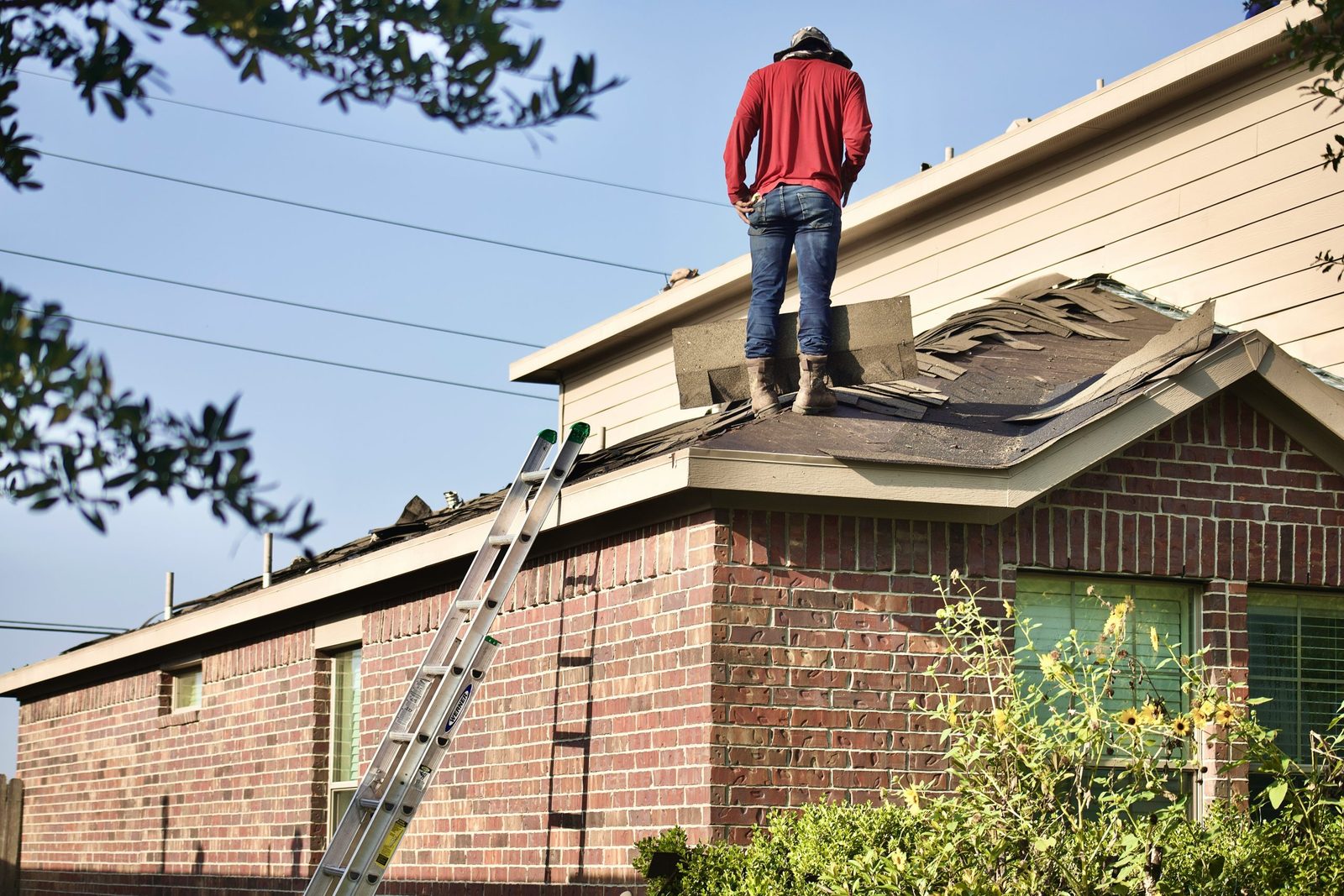
Storm damage?
Get help restoring your property after damage
Our technicians will give you a detailed damage inspection report, so you have everything your insurance company needs to make a decision.