
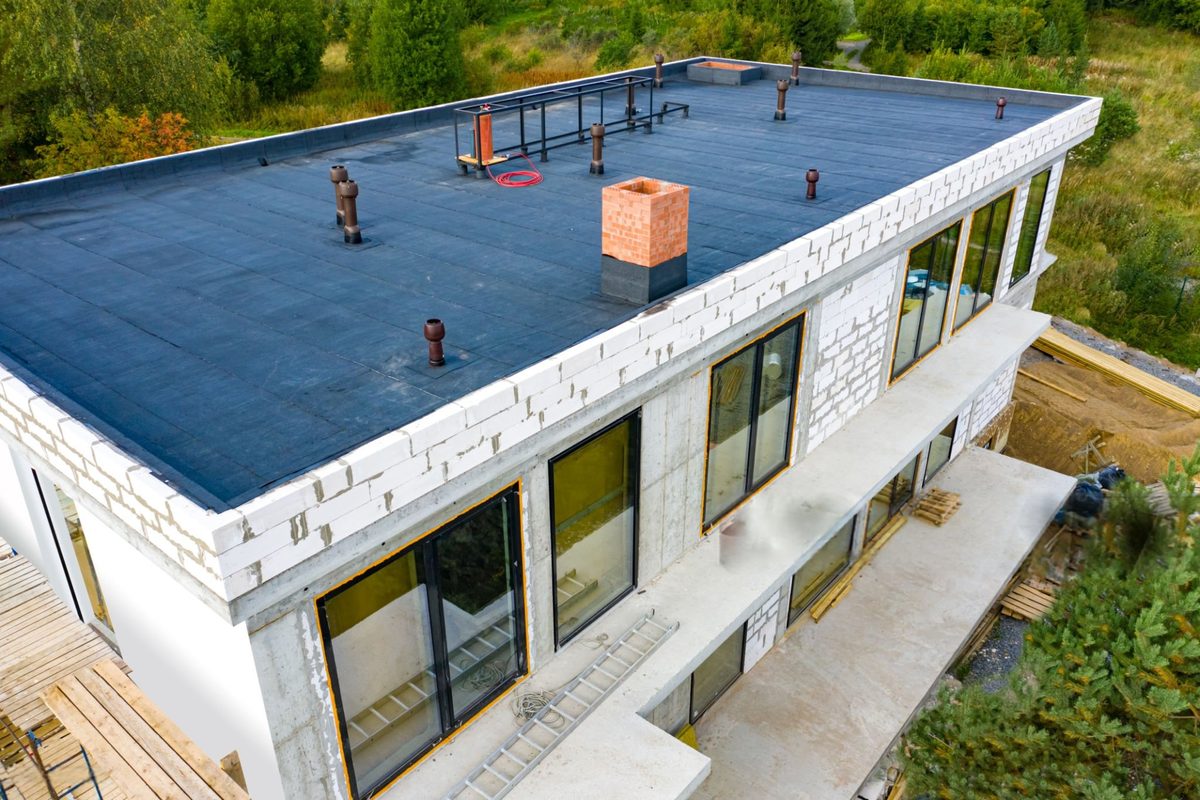
Flat & Low-Slope Roofing
Flat roofs don't fail the way shingle roofs do. Different systems, different weak points, and drainage that has to be right the first time. Here's how we approach low-slope work.
What counts as a flat or low-slope roof
Very few roofs are truly flat — almost all of them have a slight pitch built in specifically to move water toward drains. What we mean by low-slope is a roof pitched too gently for standard shingles to shed water reliably, which covers everything from a home addition or garage roof to a full commercial building. These roofs use membrane systems rather than shingles, and the way they fail, and get repaired, is genuinely different from a steep-slope roof.
Low-slope systems we install
TPO is a reflective single-ply membrane that's become a common choice for its balance of cost, energy efficiency and heat-welded seam strength — see our dedicated TPO Roofing page for more detail. Modified bitumen is an asphalt-based membrane reinforced for flexibility, often used where a heavier, multi-layer system fits the building better. Built-up roofing alternates layers of bitumen and reinforcing fabric, a proven, long-standing approach for buildings where a multi-ply system fits the budget and design.
Ponding water and drainage
Ponding — water that sits on the membrane for an extended period instead of draining — is the recurring issue on almost any low-slope roof, and it's more a design and installation problem than a membrane problem. Proper slope, correctly placed drains, and scuppers or gutters sized for the roof's actual runoff all matter more to long-term performance than which membrane you choose.
Inspecting and maintaining a flat roof
A flat roof inspection checks seams, flashing around any rooftop equipment or parapets, drain condition, and whether water is actually reaching those drains after a rain rather than pooling nearby. Scheduled maintenance catches a lifting seam or a clogged drain well before it becomes an active leak, which matters more on a low-slope roof than a steep one, since low-slope failures tend to show up as interior water damage before they're visible from outside.
Repair or full replacement
Isolated seam separation, localized membrane damage or a single failed drain area are usually repairable without disturbing the rest of the roof — see Commercial Roof Repair for how we scope that kind of work. Widespread membrane wear, chronic ponding across large sections, or a roof well past its expected service life is a different conversation, and we'll tell you honestly which one applies.
Frequently asked questions
What's the difference between TPO, modified bitumen and built-up roofing?
TPO is a single-ply, heat-welded reflective membrane. Modified bitumen is an asphalt-based membrane reinforced for flexibility. Built-up roofing layers bitumen and reinforcing fabric into a multi-ply system. Each fits different budgets, building types and performance priorities.
Why does water pool on my flat roof?
Usually because of insufficient slope, a drain that's clogged or poorly placed, or settling in the roof deck over time that creates a low spot. It's worth having assessed rather than ignored, since standing water shortens a membrane's service life.
Can a flat roof be repaired instead of fully replaced?
Often, yes, especially for isolated seam or membrane issues. A full replacement becomes the better option when wear or ponding is widespread rather than localized.
Do you install low-slope roofing on homes as well as commercial buildings?
Yes. Additions, garages and porches often use the same low-slope systems as commercial buildings, just at a smaller scale.
Want the number before anyone visits?
Type your address and we'll measure the roof from aerial imagery — area, pitch and every facet — then price it at our published rate per square. About fifteen seconds, and we don't need your phone number to show you the number.
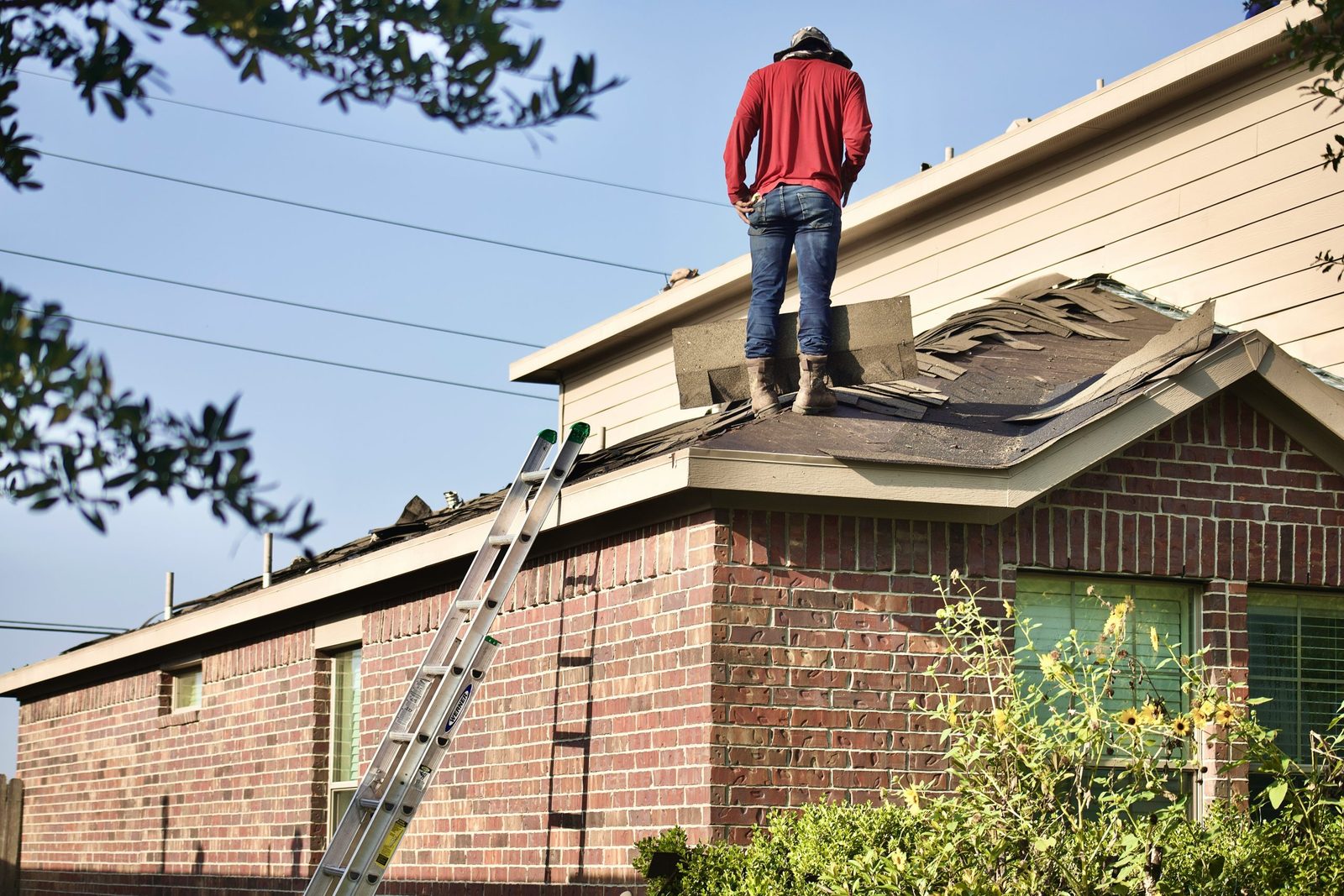
Storm damage?
Get help restoring your property after damage
Our technicians will give you a detailed damage inspection report, so you have everything your insurance company needs to make a decision.