
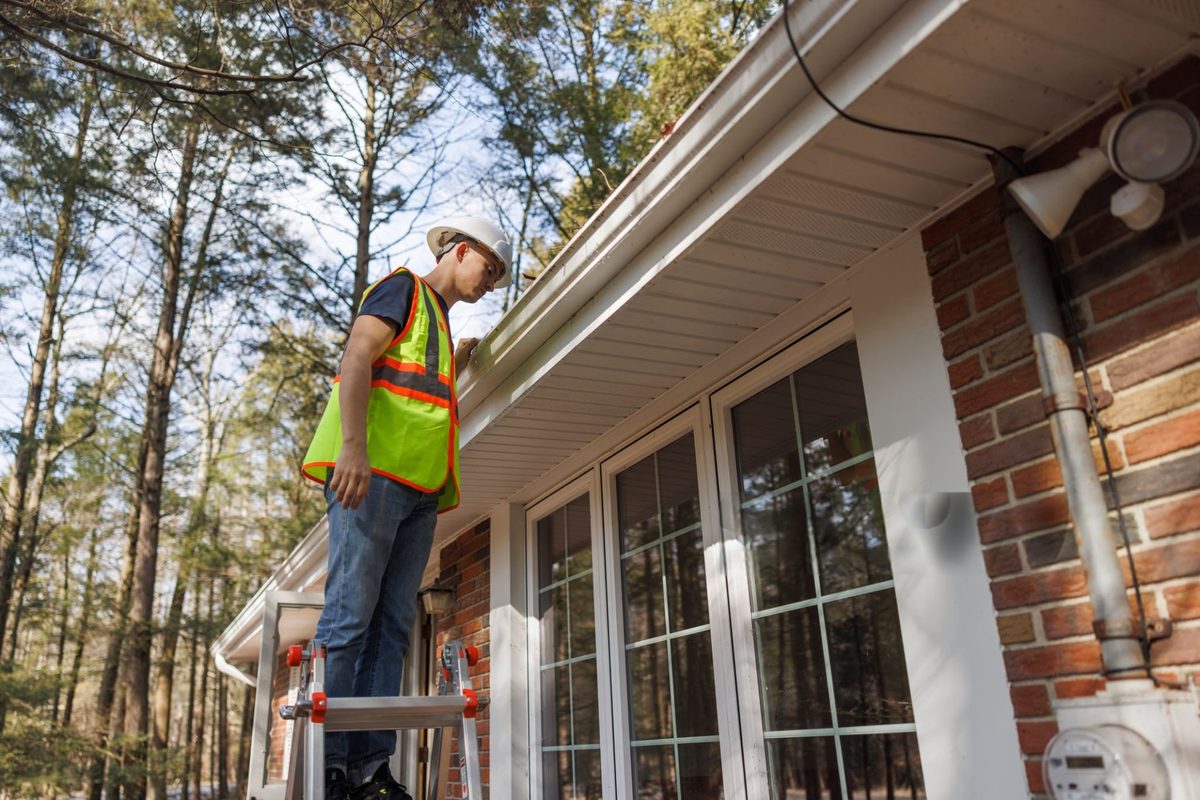
TPO Roofing
TPO has become one of the most common low-slope roofing choices in Houston, and there's a practical reason for that beyond just cost.
What TPO roofing is
TPO, short for thermoplastic polyolefin, is a single-ply membrane rolled out in wide sheets and heat-welded together at the seams rather than glued or taped. That heat-welding is a big part of what makes a properly installed TPO roof reliable — a fused seam behaves more like one continuous sheet than a series of joints, which matters over years of thermal expansion and contraction.
Why TPO suits Houston's climate
TPO is typically a reflective white or light-colored membrane, which keeps roof surface temperatures lower under Houston's long, intense summer sun compared to darker roofing materials. Lower surface temperatures translate into less thermal stress on the membrane itself and, often, a meaningful reduction in cooling load for the building underneath. It's a practical fit for a climate that spends much of the year working against a building's cooling system rather than its heating system.
How a TPO system goes on
A TPO installation starts with the existing roof condition and insulation layer, since a compromised deck or wet insulation underneath a new membrane defeats the purpose of replacing it. The membrane is then rolled out, seamed with heat-welding equipment, and flashed carefully at every parapet, curb, drain and piece of rooftop equipment — the same principle as flashing on a shingle roof, just executed with membrane detailing instead of metal and shingles.
Common TPO problems we find
Seam separation is the most frequent issue, usually from a seam that wasn't fully fused during installation or that's been stressed by movement over time. Punctures from foot traffic or dropped tools during other rooftop work are common on buildings with a lot of equipment. Flashing failures around HVAC curbs, vents and parapets show up just as often on a TPO roof as they do on a shingle roof, for the same underlying reason — penetrations are always the weak point.
Maintaining and repairing a TPO roof
Scheduled inspections catch seam and flashing issues before they become an active leak, which is especially valuable on a low-slope roof where interior water damage often shows up before any visible sign on the roof itself. See Commercial Roof Repair for how we scope targeted repairs, and Commercial Roofing Resources for maintenance program details.
Frequently asked questions
How long does a TPO roof typically last?
It depends heavily on installation quality, rooftop foot traffic, and how consistently it's inspected and maintained, more than on a single fixed number. A commercial inspection gives a far more useful answer for your specific building.
Is TPO better than modified bitumen or built-up roofing?
Not universally better, just different. TPO tends to offer strong energy efficiency and simpler seam repair; modified bitumen and built-up systems can suit buildings needing a heavier, multi-layer approach. The right choice depends on your building and budget.
Can a small TPO puncture be repaired without replacing the membrane?
Yes. A localized puncture or seam issue is typically patched and heat-welded back into a watertight repair without disturbing the surrounding membrane.
Does rooftop equipment cause most TPO leaks?
Equipment penetrations and the flashing around them are a common source, yes, since every curb, vent and conduit run through the membrane is a potential weak point if it wasn't detailed correctly.
Want the number before anyone visits?
Type your address and we'll measure the roof from aerial imagery — area, pitch and every facet — then price it at our published rate per square. About fifteen seconds, and we don't need your phone number to show you the number.
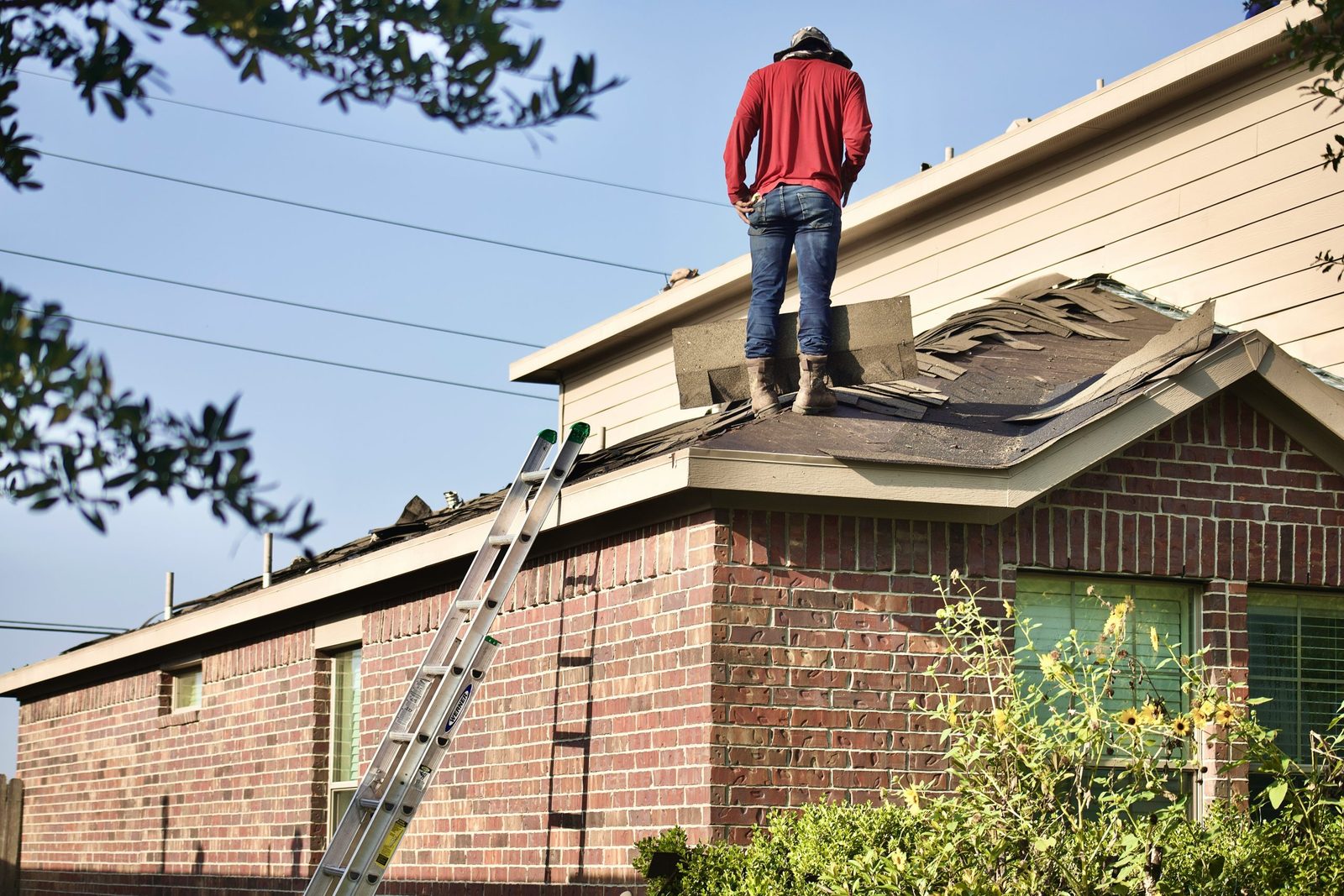
Storm damage?
Get help restoring your property after damage
Our technicians will give you a detailed damage inspection report, so you have everything your insurance company needs to make a decision.