
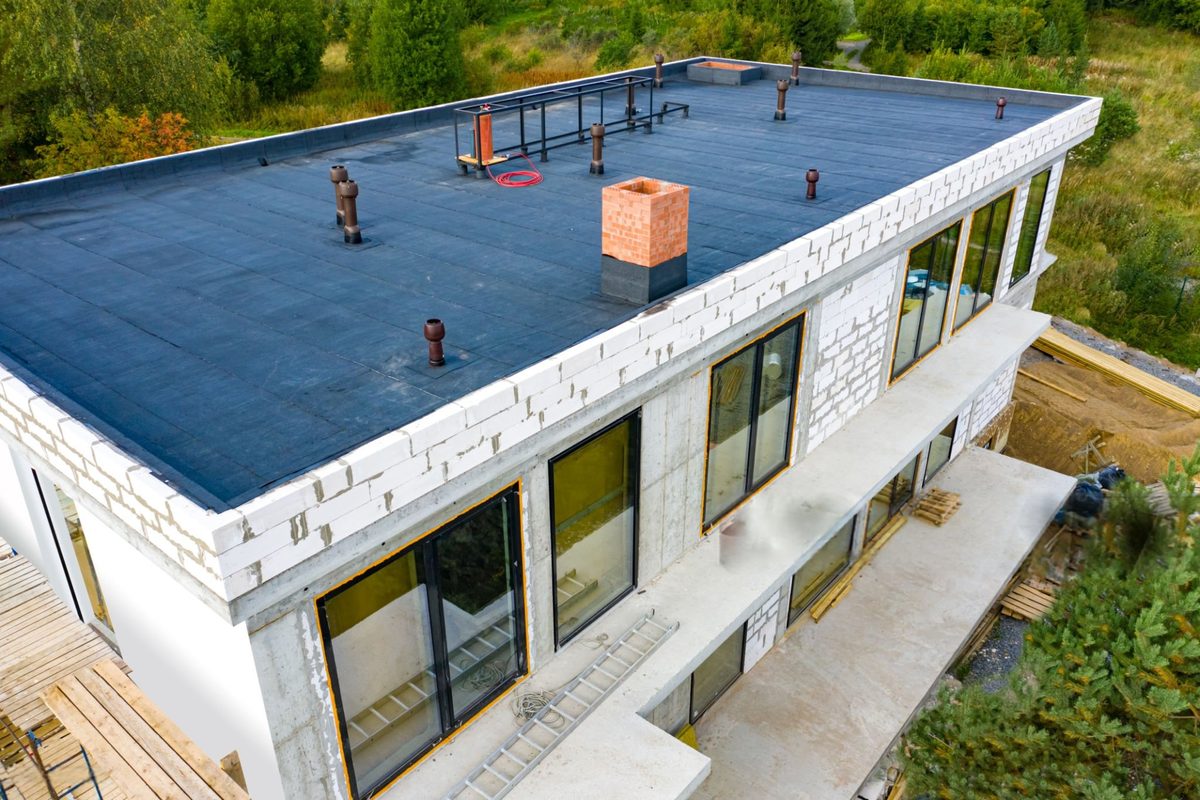
What a Commercial Roof Inspection Actually Covers
A commercial roof fails in different places than a residential one, and an inspection built for shingles won't catch the issues that actually show up on a low-slope membrane.
Starting point: knowing what your building actually needs
Before scheduling anything, it helps to know what kind of roof you're managing. A low-slope membrane building and a steep-slope building have different vulnerable points, different maintenance rhythms, and different documentation needs, so the first useful step in any inspection program is confirming which situation your specific building or portfolio of buildings falls into.
Why a commercial inspection is a different exercise
A residential inspection is mostly about shingle condition and a handful of penetrations. A commercial roof, especially a low-slope one, has more rooftop equipment, more penetrations per square foot, and drainage that has to actually work rather than just shed water off an edge. The inspection has to account for all of that, not just walk the open field of the roof.
What gets checked on a low-slope membrane
- Seam condition across the field, checking for separation or incomplete fusion.
- Drain condition and whether water actually reaches them after rain, or ponds nearby instead.
- Flashing at every parapet, curb and piece of rooftop equipment.
- General membrane wear — cracking, blistering, or areas where the surface coating has broken down.
What gets checked on a steep-slope commercial roof
Buildings with a pitched roof — offices, schools, churches and similar structures — get an inspection closer to residential in approach: shingle wear, flashing at parapets and penetrations, ventilation, but scaled to a larger, often more complex roof with multiple sections and rooftop units tying into the same structure.
Rooftop equipment gets special attention
HVAC units, vents, conduit runs and communications equipment all penetrate the roof somewhere, and each penetration is only as good as its flashing detail, which sometimes wasn't installed by a roofer at all. A thorough commercial inspection traces every visible penetration back to its flashing rather than only checking the open field.
How often to schedule one
A general rhythm of twice a year, plus an additional check after any significant hail or wind event, catches most issues while they're still manageable. Buildings with a history of ponding, aging membrane, or heavy rooftop equipment traffic sometimes benefit from checking in more frequently than that baseline.
What the written report should actually give you
A useful commercial inspection report documents specific findings by area with photographs, rather than a single pass-or-fail line. For a property manager overseeing a budget across one building or several, that level of detail is what turns an inspection into a planning tool instead of just a maintenance checkbox.
Where inspection fits into a maintenance program
A single inspection is a snapshot. A scheduled maintenance program uses that snapshot as a starting point, then checks in regularly enough to catch a lifting seam or a clogged drain before it becomes an active leak that disrupts business operations.
Inspections and insurance claims
Commercial roofs are exposed to the same hail and wind as residential ones, and a thorough inspection report is the foundation of any resulting claim. We document damage and meet adjusters on-site, though we don't act as a public adjuster or negotiate the claim on a property manager's behalf.
Budgeting from an inspection report instead of guessing
A detailed report broken down by area — membrane condition here, a drain issue there, a flashing detail worth watching next visit — gives ownership something to actually plan a capital budget around, rather than a single reactive repair line item every time something fails. Over several inspection cycles, that same report also starts to show trends, like a section of roof that keeps needing attention, which is useful information when deciding whether targeted repairs are still the right call or whether it's time to plan a larger project.
Frequently asked questions
How is a commercial inspection different from a residential one?
It covers different failure points — seams, drains and equipment penetrations on a low-slope roof, versus shingle condition and a handful of penetrations on a residential roof — and typically covers a larger, more complex structure.
Can inspections be scheduled across multiple buildings on one visit?
Often, yes, particularly for property managers overseeing several properties who want a consistent inspection schedule rather than reacting to individual buildings one at a time.
Does a commercial inspection interrupt building operations?
Rarely in a meaningful way. Inspections are typically scheduled around your operating hours and don't require taking any part of the building out of service.
Want the number before anyone visits?
Type your address and we'll measure the roof from aerial imagery — area, pitch and every facet — then price it at our published rate per square. About fifteen seconds, and we don't need your phone number to show you the number.
Storm damage?
Get help restoring your property after damage
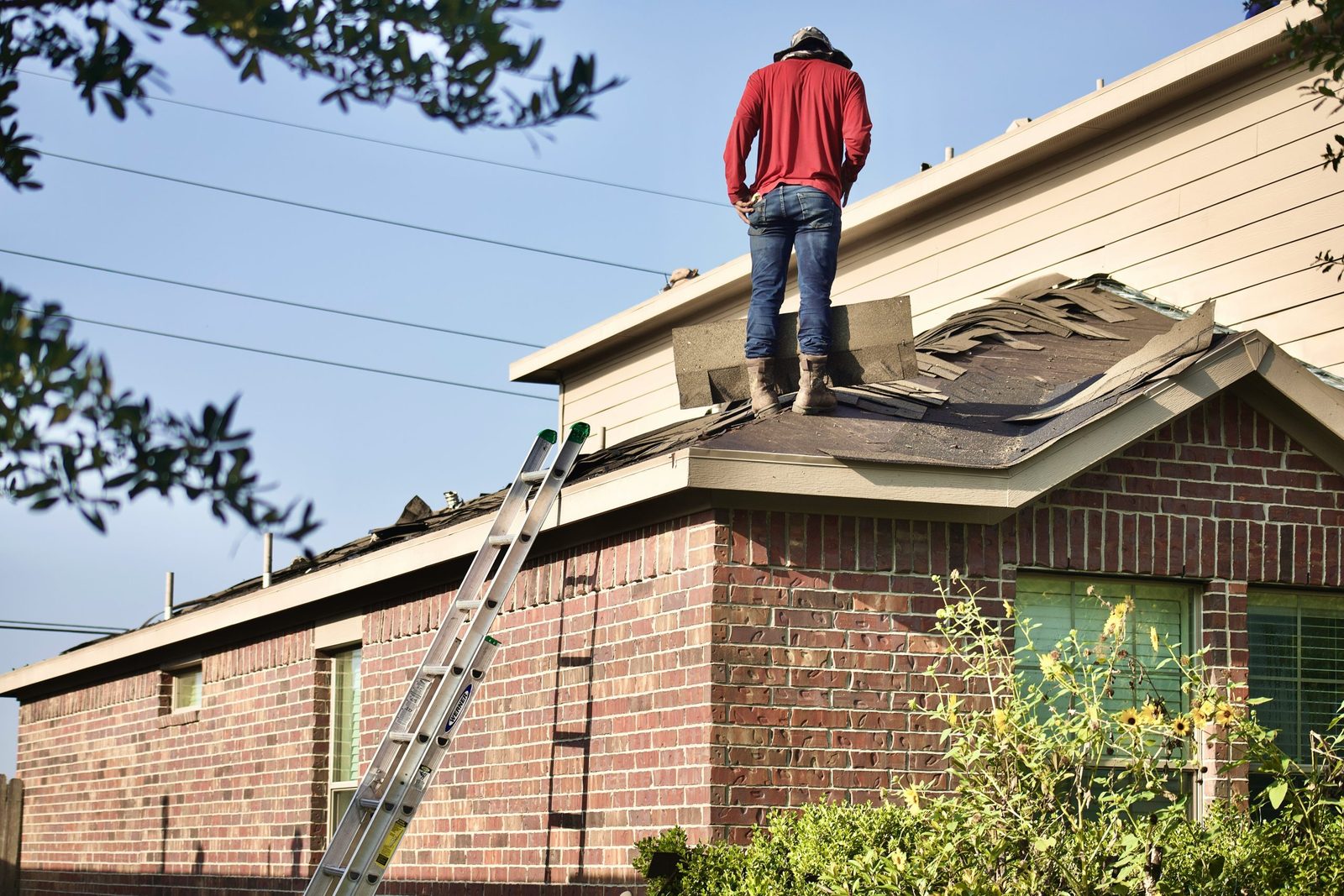
Our technicians will give you a detailed damage inspection report, so you have everything your insurance company needs to make a decision.