
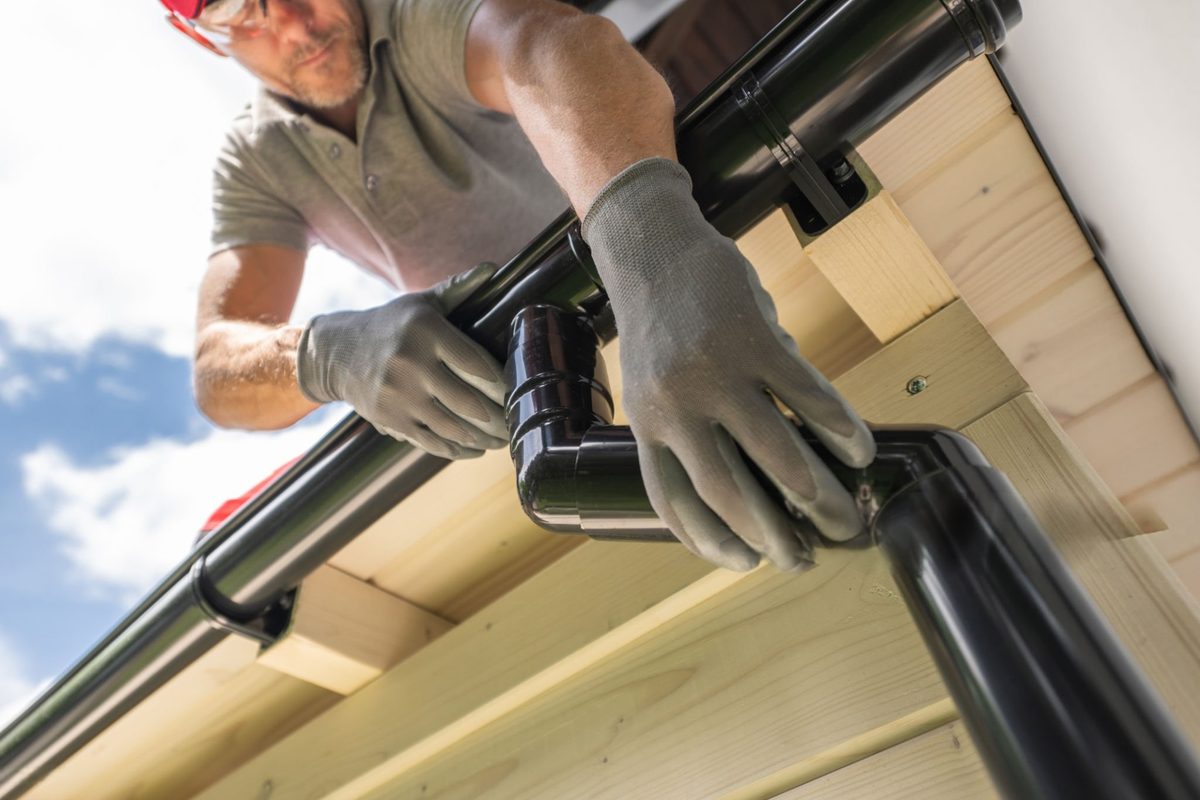
How Gutters Affect Your Roof's Health
Gutters get treated like a separate project from the roof, but they're really part of the same water-management system, and problems in one tend to show up in the other.
Water has to go somewhere
A roof's entire job is directing water off the structure efficiently, and gutters are the last stage of that system, channeling runoff away from the foundation instead of letting it sheet down the side of the house. When gutters aren't doing their part, the roof edge and everything below it absorbs the consequences instead.
Clogged gutters and the roof edge
Leaves, granules and debris build up in gutters over time, especially under mature tree cover common in a lot of Houston's older neighborhoods. When gutters clog, water backs up under the roof's edge instead of draining away, which can work its way under shingles and drip edge and contribute to rot in the decking and fascia over time, even without a single dramatic storm event.
Fascia and soffit damage
Fascia, the board running along the roofline where gutters are mounted, and soffit, the underside of the overhang, are both directly exposed to water that gutters fail to carry away. Persistent moisture here can lead to rot, paint failure, and in more advanced cases, compromised structural wood that needs to be replaced alongside gutter repairs.
Improperly pitched or undersized gutters
Even clean gutters can fail at their job if they aren't pitched correctly toward the downspouts, or if they're undersized for the roof's actual water volume during a heavy Houston downpour. Water overflowing the front edge of a gutter during a storm often means a pitch or sizing problem rather than simple debris buildup.
What to check, and how often
Clear visible debris from gutters at least a couple of times a year, more often under heavy tree cover, and check after any major storm. During a roof inspection, gutter condition, pitch and drainage are checked as part of the whole picture rather than treated as a separate concern, since a roof and its gutters really do function as one system.
Downspouts matter as much as the gutter itself
A perfectly clean gutter run still fails if the downspout carrying that water away is clogged, disconnected, or draining too close to the foundation. Checking that downspouts extend water a reasonable distance from the house, and that they're actually flowing freely during the next rain, is as important as clearing the horizontal gutter sections themselves, especially during Houston's heaviest downpours.
When gutter problems point to a bigger roof issue
Excessive granule buildup in a gutter, gutters pulling away from the fascia in multiple spots, or repeated overflow in the same location every storm can be symptoms of a roof problem rather than a gutter-only issue — heavy granule loss on the shingles above, or a drainage design issue built into the original roofline. If gutter problems keep recurring despite regular cleaning, it's worth having the roof itself inspected rather than continuing to treat the gutters as an isolated fix.
Gutter guards and covers: what they do and don't solve
Gutter guards can reduce how much debris settles into the gutter channel itself, which cuts down on cleaning frequency, but they don't eliminate maintenance entirely — fine debris and granules can still accumulate on top of many guard systems, and the guards themselves need occasional checking. They're a reasonable option for reducing upkeep under heavy tree cover, not a permanent fix that removes gutters from the maintenance list altogether.
Seasonal timing that actually matters in Houston
Checking gutters heading into hurricane season, and again once fall leaf drop has mostly finished under any mature trees on the property, covers the two points in the year when debris tends to build up fastest here. A quick check after any storm with significant wind rounds out a reasonable, low-effort schedule without needing to think about it constantly in between. It's a small habit that protects a much larger investment sitting just above it.
Frequently asked questions
Can bad gutters actually cause a roof leak?
Indirectly, yes. Backed-up water at the roof edge can work its way under shingles and drip edge over time, contributing to rot and, eventually, leaks along the eaves.
Should gutters be replaced at the same time as a roof?
Not always necessary, but it's often efficient to address both at once if the gutters are already showing wear, since the crew is already on site.
Want the number before anyone visits?
Type your address and we'll measure the roof from aerial imagery — area, pitch and every facet — then price it at our published rate per square. About fifteen seconds, and we don't need your phone number to show you the number.
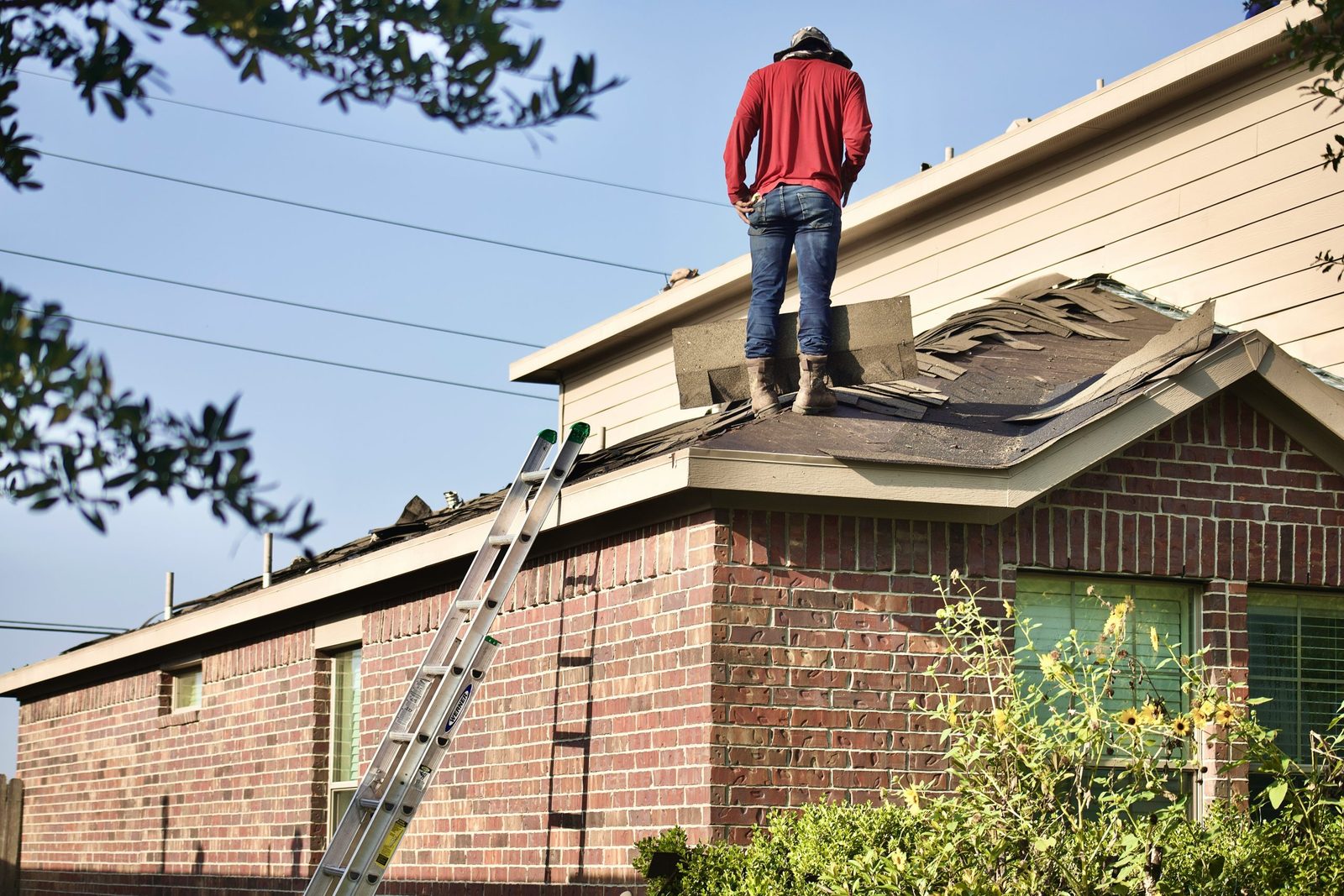
Storm damage?
Get help restoring your property after damage
Our technicians will give you a detailed damage inspection report, so you have everything your insurance company needs to make a decision.