
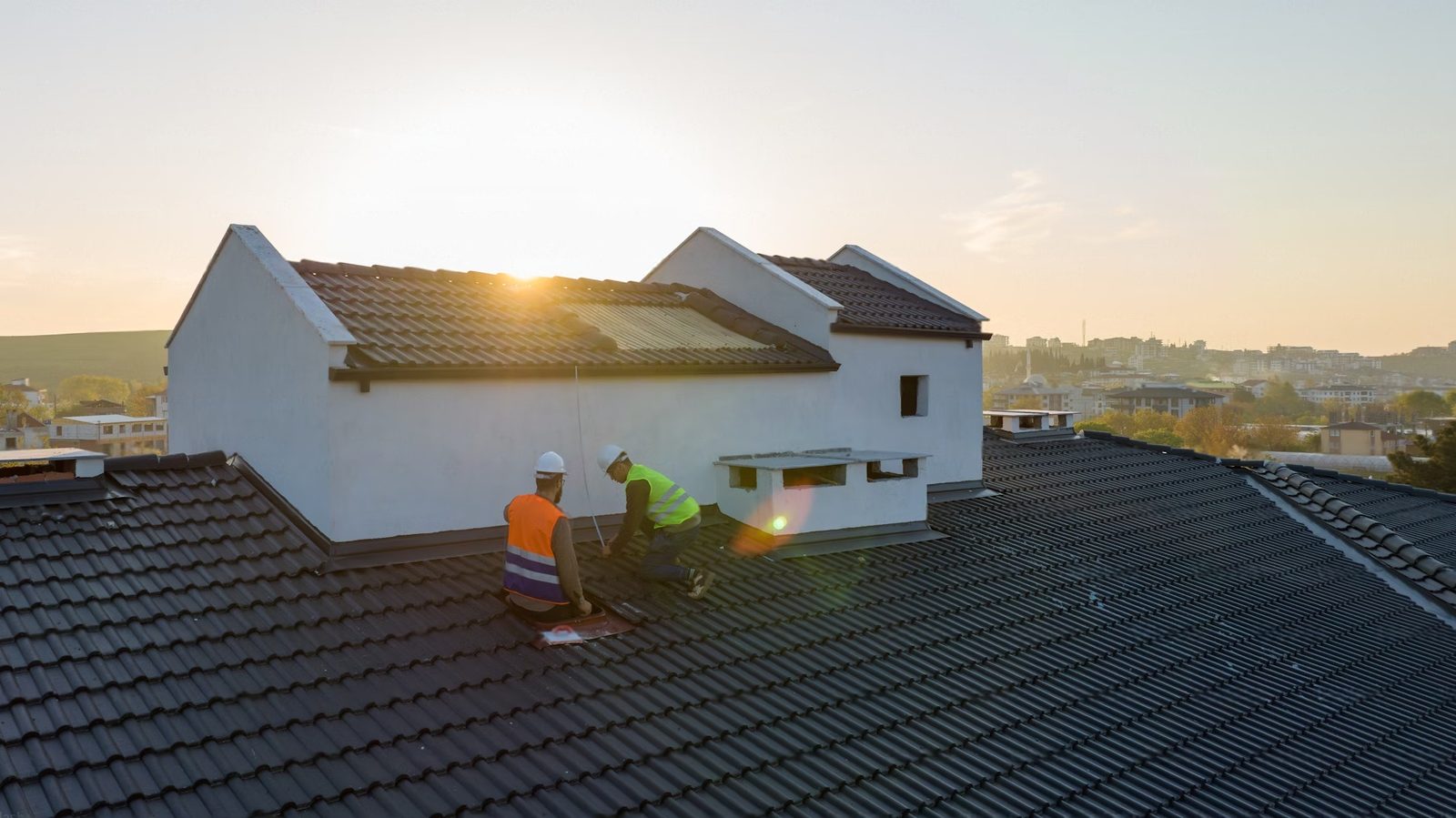
How Long Does a Roof Actually Last in Houston?
General shingle lifespan numbers you'll find online usually assume a moderate climate. Houston isn't one, and that changes the honest answer.
Why Houston is a tougher climate for a roof than the average estimate assumes
A lot of published shingle lifespan figures come from testing and averages that don't fully account for long, humid summers, intense UV exposure, and a storm season that runs half the year. In Houston, a roof deals with sustained heat that can push attic temperatures well above outdoor air temperature, humidity that feeds algae growth, and a real chance of hail or wind damage every year during hurricane season. None of that means a roof here fails fast — it means the number on a shingle's packaging is a starting point, not a guarantee.
The factors that actually shorten or extend a roof's life
- Ventilation. Poor attic airflow traps heat under the deck and cooks shingles from underneath, which is one of the most common reasons a roof underperforms its expected life.
- Tree cover. Heavy shade can reduce direct UV exposure but increase moisture retention and debris buildup, which has its own tradeoffs for algae and granule loss.
- Storm history. A roof that's absorbed a few hail events, even without an obvious leak, is often working with less structural margin than its age alone would suggest.
- Installation quality. Proper tear-off, correctly installed flashing, and a matched system of components all affect how long a roof holds up, independent of the shingle brand.
- Roof color and reflectivity. Lighter shingles reflect more solar heat, which can modestly reduce surface temperature and thermal cycling over time.
Ventilation's outsized role in a hot climate
Of everything on that list, ventilation tends to matter more here than it does in cooler, drier regions. An attic that isn't exchanging air properly stays hotter for longer stretches of the year, and that heat works against the shingles from the underside — a stress they weren't designed to take on top of normal sun exposure. It's also one of the more common reasons manufacturers exclude a warranty claim, since inadequate ventilation is considered a maintenance and design issue rather than a material defect.
Signs your roof is nearing the end, regardless of its exact age
Rather than relying on a calendar, look for granule loss heavy enough to expose the shingle mat underneath, shingles that are curling or cupping at the edges, cracking across multiple areas rather than one isolated spot, and daylight or water stains visible from inside the attic. Any one of these on its own might point to a repair. Several at once, especially combined with a roof that's already had storm exposure, usually means it's time for a real conversation about replacement.
What actually extends a roof's service life here
Balanced intake and exhaust ventilation, prompt attention to storm damage instead of waiting for a leak, clear gutters so water doesn't back up under the roof edge, and a system installed as matched components rather than mixed parts all push a roof toward the upper end of its potential lifespan rather than the lower end. None of it is dramatic or expensive on its own — it's mostly about not letting small issues sit.
Why age alone is a poor way to judge a roof
Two roofs installed the same year in the same neighborhood can be in very different condition a decade later, depending on tree cover, storm exposure, ventilation and how quickly past issues were addressed. That's why a real inspection, rather than a rule of thumb based on install date, is the only reliable way to know how much service life a specific roof actually has left.
How often to check in on an aging roof
Once a roof passes the midpoint of its expected life, an annual inspection is worth treating as routine maintenance rather than an afterthought, with an additional inspection after any significant hail or wind event regardless of the roof's age. Catching granule loss, minor flashing wear or a small ventilation issue early is almost always less disruptive than discovering the same problem as an active leak.
Planning ahead instead of reacting to a failure
Once an inspection suggests a roof is in its final few years of realistic service life, it's worth starting to plan — researching materials, thinking through timing around any other exterior projects, and, if a claim isn't involved, considering financing options if paying out of pocket in one lump sum doesn't fit your budget. Replacing a roof on your own schedule, before it forces the decision with an active leak, is almost always the less stressful path.
Want the number before anyone visits?
Type your address and we'll measure the roof from aerial imagery — area, pitch and every facet — then price it at our published rate per square. About fifteen seconds, and we don't need your phone number to show you the number.
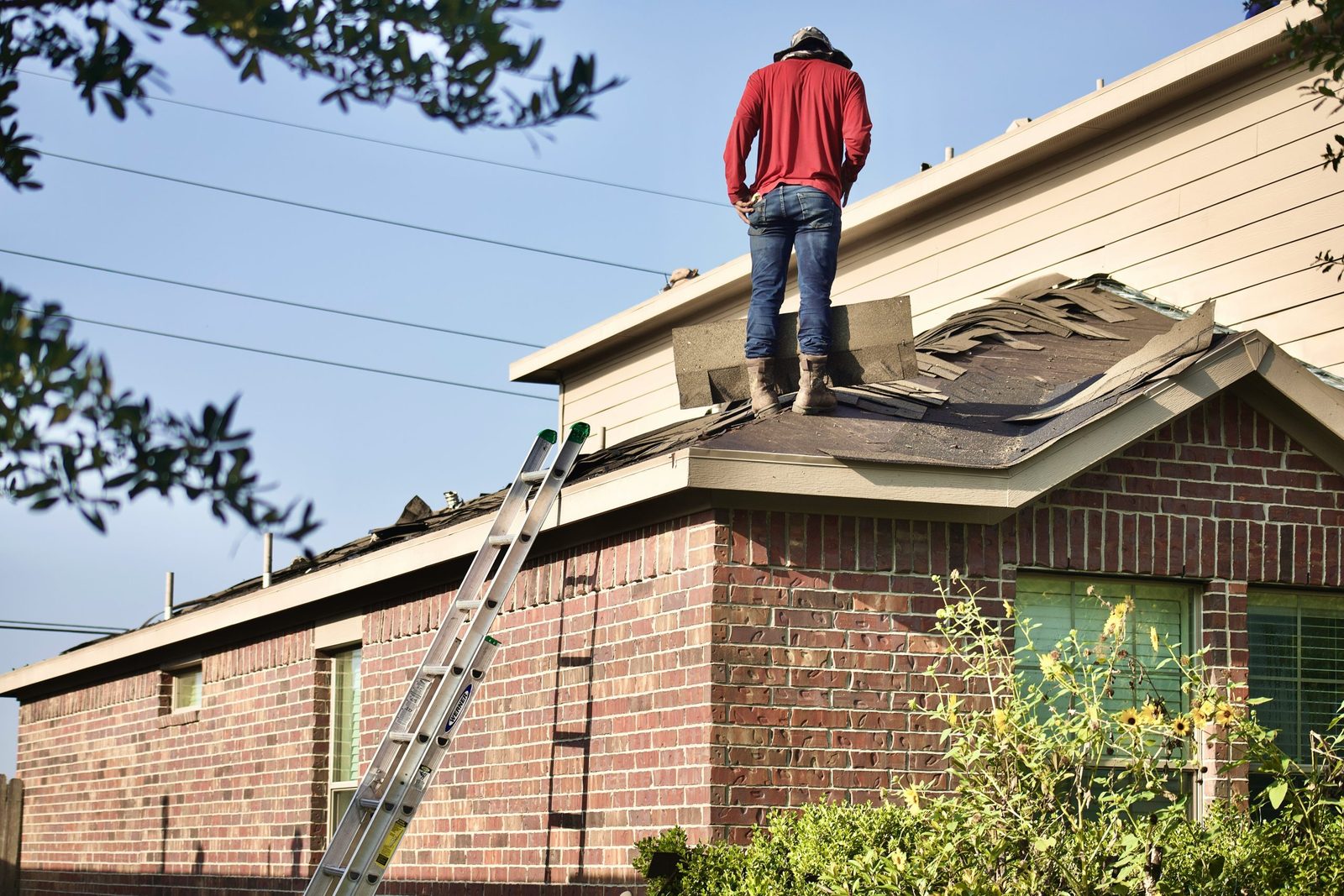
Storm damage?
Get help restoring your property after damage
Our technicians will give you a detailed damage inspection report, so you have everything your insurance company needs to make a decision.