
Roof Inspection Checklist: What to Look For
Whether you're checking your own roof between professional inspections or just want to know what a technician is actually looking at, here's the full picture broken down by area.
From the ground
- Missing, curled or visibly cracked shingles across the roof planes you can see.
- Sagging areas along the roofline or ridge, which can point to structural or decking issues underneath.
- Dented gutters, downspouts or roof vents, a sign of possible hail impact.
- Granules collecting in gutters or at downspout outlets beyond normal shedding.
- Visible algae streaking, moss, or debris buildup on the roof surface.
In the attic
- Daylight visible through the roof deck, which points to a gap or damaged area above.
- Water stains, discoloration, or damp insulation on the underside of the deck.
- Musty odors or visible mold, which can indicate ventilation or moisture issues.
- Whether intake and exhaust vents appear clear and unobstructed by insulation.
On the roof surface itself
- Granule loss heavy enough to expose the shingle mat underneath.
- Soft spots when walked, which can indicate decking damage below.
- Blistering or cracking that follows a pattern consistent with hail impact.
- Condition of the ridge cap and any exposed fasteners.
At penetrations and flashing
- Flashing condition around chimneys, vent pipes, skylights and any wall intersections — the areas where most leaks actually start.
- Sealant or caulk that's cracked, shrunk or pulled away from a penetration.
- Valley flashing for signs of wear, rust, or granule loss concentrated along the valley line.
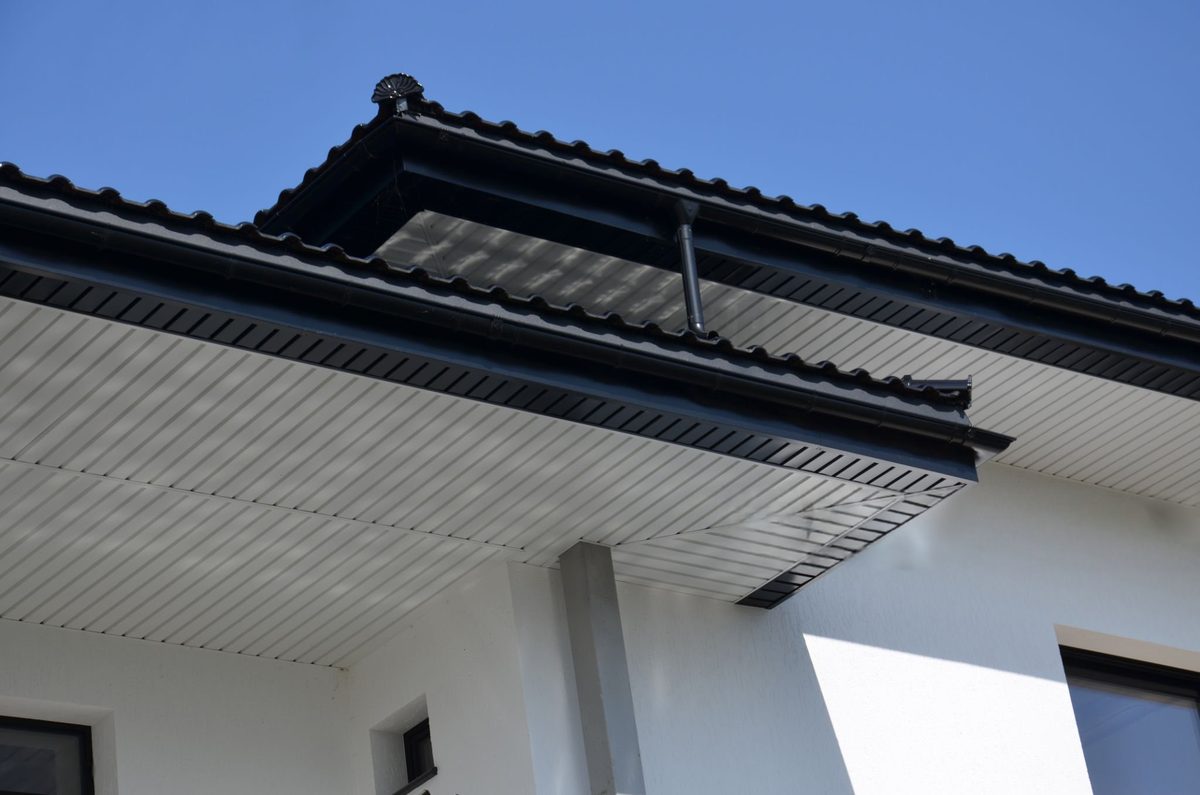
At the gutters and roof edges
- Drip edge condition along the eaves and rakes.
- Gutters pitched correctly and free of standing debris.
- Fascia boards checked for softness or water staining, which can indicate ongoing drainage problems.
How the pieces fit together into one assessment
None of these areas tell the full story on their own. A stain in the attic points a technician toward a specific section of roof surface and flashing to check more closely. Granule buildup in the gutters points toward checking shingle condition on the corresponding slope. A thorough inspection moves between these areas rather than treating them as separate checklists, cross-referencing what's found in one spot against what shows up in another until the actual cause is identified rather than just the symptom.
What a written inspection report should include
A useful inspection report is more than a pass-or-fail verdict. It should document specific findings by area, include photographs of anything noteworthy, and give an honest read on remaining service life rather than a vague recommendation. That level of detail is what makes a report genuinely useful later, whether you're deciding on a repair, supporting an insurance claim, or simply keeping records for your own reference as the roof ages.
Building a record over time
A single inspection report is useful on its own, but a series of them over the years, especially after storms, builds a record that makes it much easier to judge whether a new issue is isolated or part of a longer pattern. Keeping past reports on file, even informally, gives whoever inspects the roof next real history to work from instead of starting from scratch every time.
A checklist is a starting point, not a substitute for experience
Working through this checklist yourself is a genuinely useful habit between professional visits, but it isn't a replacement for a trained inspection, particularly for anything involving the roof surface itself. The goal of doing your own periodic check is to catch anything obvious early and know when it's time to call, not to make the final call on the roof's condition yourself. If anything on this list gives you pause, that's the signal to schedule a professional look rather than waiting for it to resolve on its own.
Frequently asked questions
Can I do this inspection myself?
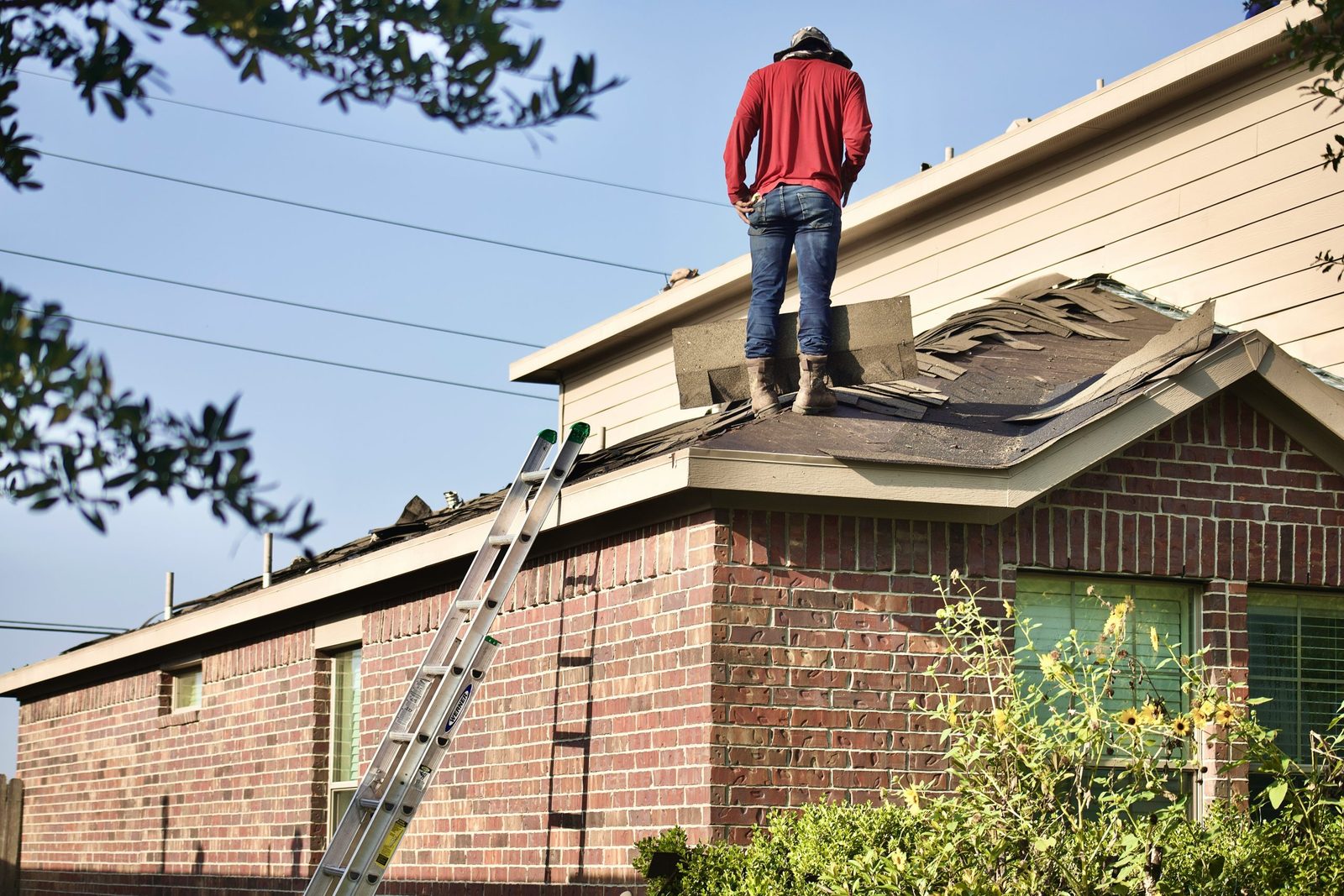
The ground-level and attic checks are reasonable for most homeowners to do carefully. Walking the roof surface itself is best left to a professional, since damaged roofing can be more fragile and dangerous underfoot than it looks.
How often should a professional inspection happen?
Once a year as routine maintenance is reasonable for most roofs, plus an inspection after any significant hail or wind event, even if nothing looks obviously wrong.
What tools does a professional bring that I wouldn't have at home?
Beyond basic safety equipment for walking the roof itself, an inspector brings the experience to recognize subtle wear patterns and hail bruising that aren't obvious to an untrained eye, even when looking at the exact same surface.
Want the number before anyone visits?
Type your address and we'll measure the roof from aerial imagery — area, pitch and every facet — then price it at our published rate per square. About fifteen seconds, and we don't need your phone number to show you the number.
Storm damage?
Get help restoring your property after damage
Our technicians will give you a detailed damage inspection report, so you have everything your insurance company needs to make a decision.