
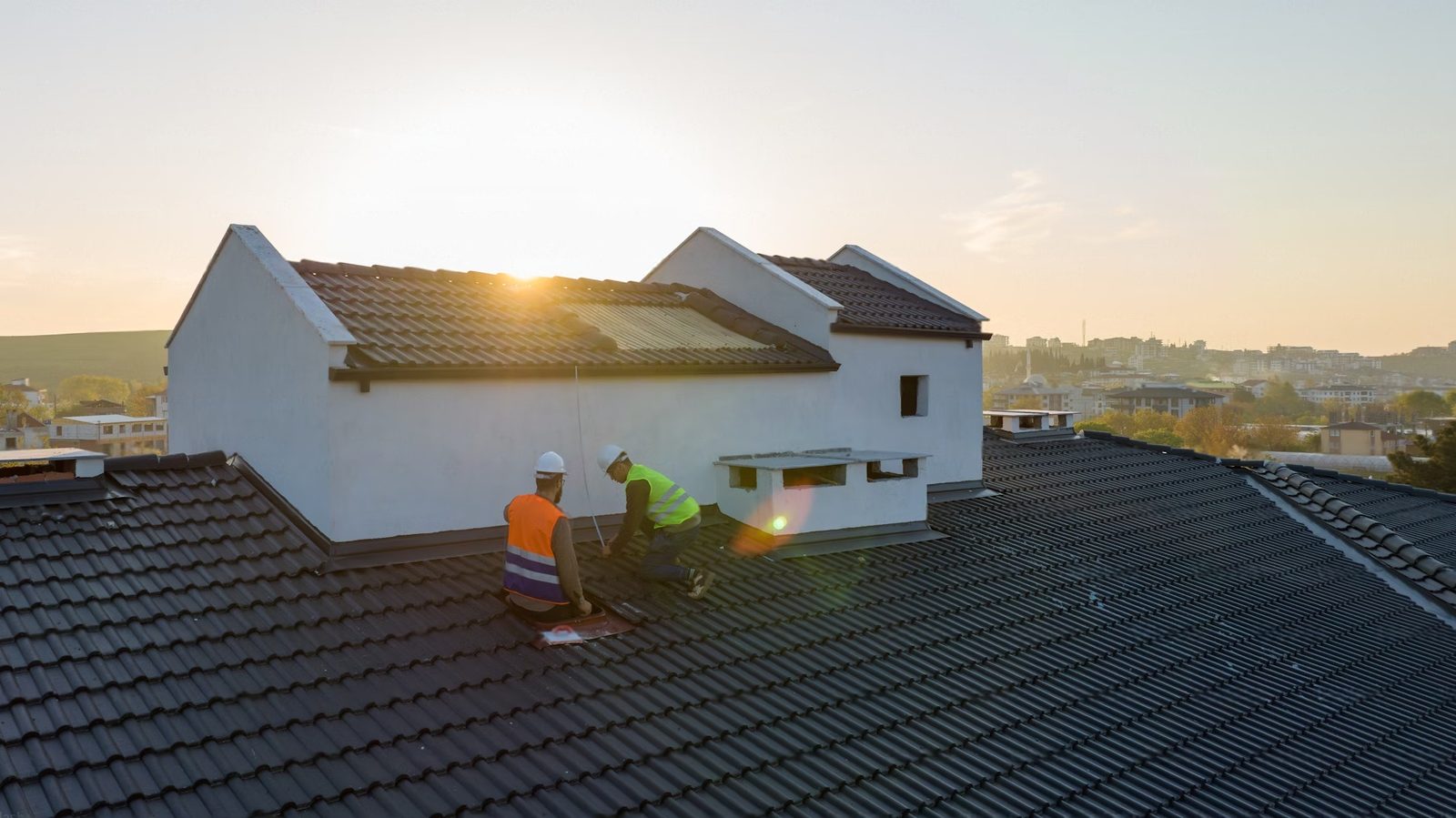
Should You Get a Roof Inspection Before Selling Your Home?
A buyer's inspector is going to look closely at the roof no matter what. The only real question is whether you find out what they'll find before or after your home is under contract.
Why the roof gets extra scrutiny in a home sale
Roof condition is one of the first things a buyer's inspector flags, since it's expensive to replace and directly affects whether a buyer's own insurance carrier will readily issue a policy. A roof issue discovered during a buyer's inspection tends to carry more negotiating weight than almost any other single item on the report.
What a pre-listing inspection actually gives you
A written, photographed assessment of the roof's current condition and realistic remaining service life, done on your terms and timeline rather than in the middle of a live negotiation. Knowing this before you list means no surprises once a buyer's own inspector gets up there.
Deciding whether to address issues before listing
If the inspection turns up something addressable — a section of flashing, an isolated repair — fixing it before listing removes it as a negotiating point entirely. For a roof that's genuinely near the end of its service life, some sellers choose to disclose and price accordingly rather than replace a roof the next owner may have wanted to choose differently.
Disclosure considerations
Being upfront about known roof condition, supported by a written inspection report, tends to build more trust with buyers than letting their own inspector find something you already knew about. Specific disclosure requirements vary, so it's worth discussing with your real estate agent what applies to your situation.
How this plays into negotiations
A documented pre-listing inspection gives you a reference point if a buyer's inspector's findings differ from what you already know, and it can support your position during repair negotiations rather than leaving you reacting to a report you haven't seen coming. It also signals to buyers that the home has been cared for, which can matter beyond the roof itself.
Timing it around your listing date
A pre-listing roof inspection is worth scheduling early enough that there's time to act on the findings — whether that's a repair, a price adjustment, or simply having documentation ready — rather than squeezed in right before photos and showings begin.
What to do with the report once you have it
Share it with your real estate agent so it can inform pricing conversations, and keep it available to hand to a buyer if the topic comes up during negotiations. A report that sits in a drawer unused doesn't help nearly as much as one that's part of the actual selling conversation.
How this differs for a roof with a storm or claim history
If the roof has been replaced or repaired through a past insurance claim, gather that documentation alongside the inspection report. A buyer's inspector who spots evidence of past repair work will likely ask about it regardless, and having the original claim and repair records ready to show is far more reassuring than an unexplained patch a buyer's inspector flags without context.
What buyers and their agents tend to focus on
Beyond overall condition, buyers and their inspectors often specifically ask about remaining service life, any history of leaks, and whether the roof has the paperwork to back up its age and any past work. Having clear, organized answers to those specific questions ready, rather than general reassurance, tends to move negotiations along faster.
If you're selling in an HOA-governed community
If your neighborhood has architectural requirements, confirming the current roof's color and material were properly approved is worth doing before listing, since it's a question a careful buyer's agent may ask about directly. Having that confirmation on hand avoids an awkward gap in the property's documentation during an otherwise smooth transaction.
Deciding this isn't a decision to make alone
Your real estate agent has likely seen how roof condition plays out in negotiations on other listings in your area, and their perspective on timing and disclosure is worth factoring in alongside the inspection report itself. The combination of a documented roof condition and informed pricing guidance from your agent tends to produce the smoothest path to closing.
Frequently asked questions
Will a roof inspection slow down my sale timeline?
Not meaningfully. Most residential inspections take well under an hour, and scheduling one ahead of listing gives you time to act on the findings before showings even start.
Do I have to fix everything the inspection finds before listing?
No. Some sellers choose to address findings before listing, others disclose and price accordingly instead. Either approach is reasonable depending on the specific findings and your timeline.
Is a pre-listing inspection the same as a buyer's inspection?
They cover similar ground, but a pre-listing inspection is arranged by you, on your schedule, and gives you the information first rather than finding out during a live negotiation.
Want the number before anyone visits?
Type your address and we'll measure the roof from aerial imagery — area, pitch and every facet — then price it at our published rate per square. About fifteen seconds, and we don't need your phone number to show you the number.
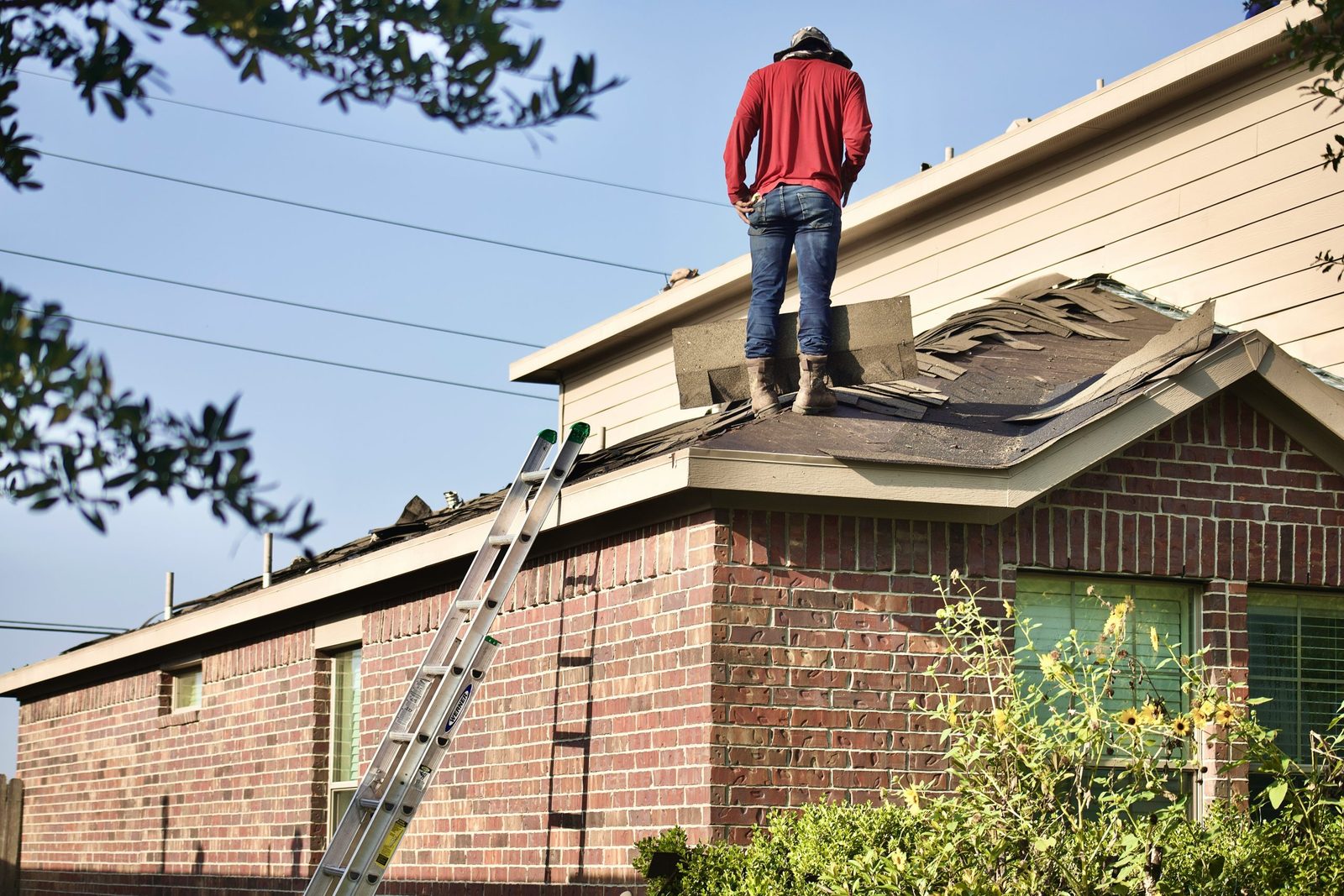
Storm damage?
Get help restoring your property after damage
Our technicians will give you a detailed damage inspection report, so you have everything your insurance company needs to make a decision.