
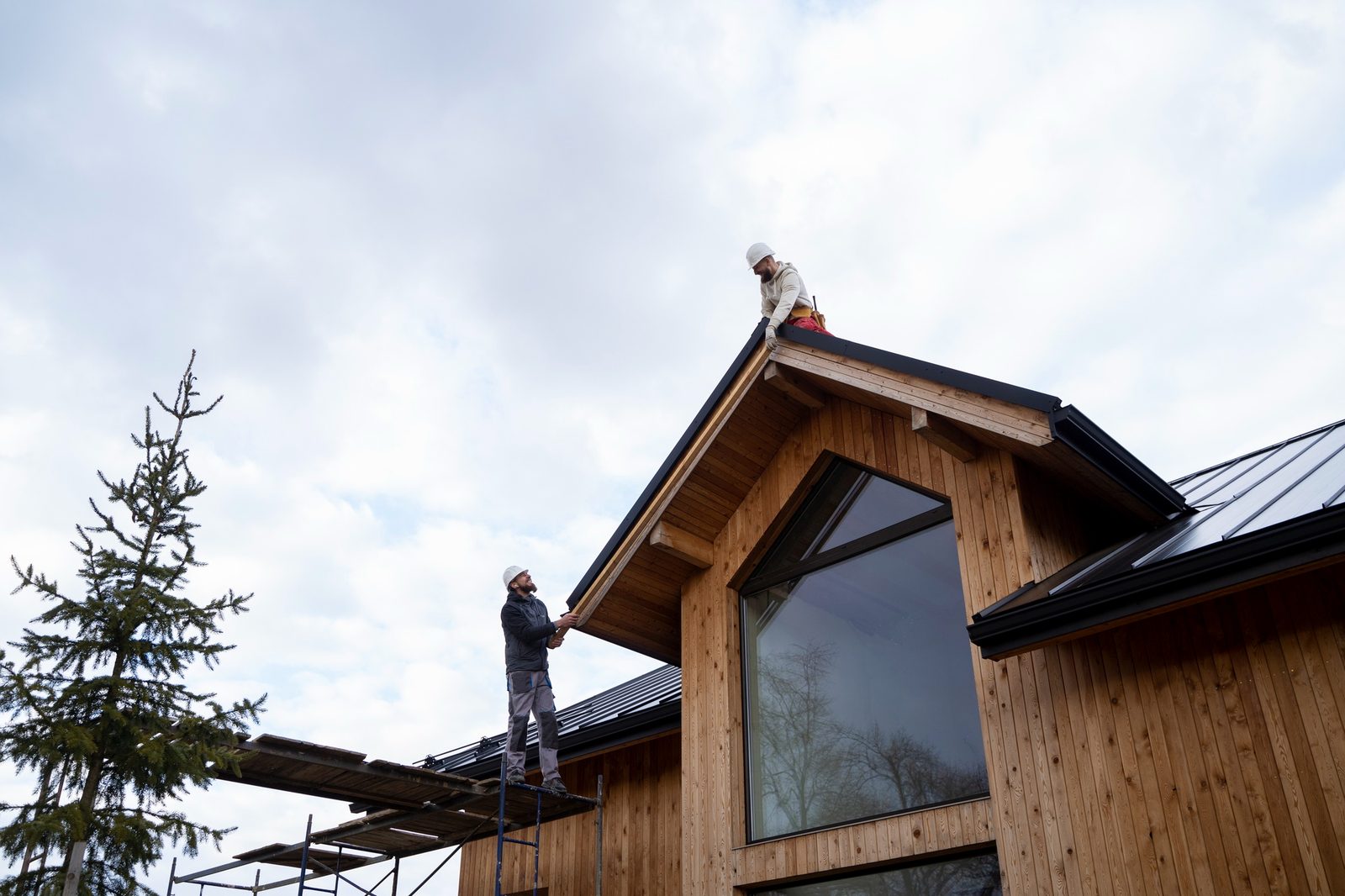
How a Texas Freeze Affects Your Roof
Houston winters are mild most years, which is exactly why an occasional hard freeze catches roofs less prepared for it than they'd be further north.
Freezes here are the exception, not the routine
Unlike colder climates where roofing systems and homeowners plan around winter weather as a matter of course, Houston roofs mostly deal with heat, humidity and storm season. A hard freeze is infrequent enough that it's worth its own preparation rather than assuming a roof built for our normal climate automatically handles it without issue.
What a significant freeze event looks like here
Winter Storm Uri in February 2021 is the clearest recent example of how disruptive an extended hard freeze can be for the region, with sustained sub-freezing temperatures well beyond what most local infrastructure, including a lot of home systems, was built to handle. It's a useful reference point for how seriously to take a hard freeze warning, even in a place that rarely sees one.
Freeze-thaw stress on shingles
Asphalt shingles become more brittle in cold temperatures, and repeated freezing and thawing can stress areas that are already compromised, like an existing crack or a section with hail damage. It's not typically a first-time cause of damage on its own, but it can accelerate wear in a spot that was already a weak point.
Ice damming is rare here, but not impossible
Ice dams, where melting snow refreezes at a cold roof edge and backs water up under the shingles, are a northern-climate problem that Houston rarely sees given how infrequent sustained freezing and snow accumulation are here. It's worth knowing the concept exists, but it's a lower-priority concern locally than in a region that deals with it every winter.
Attic pipes are often the bigger risk during a freeze
A frozen and burst pipe running through an attic or exterior wall can cause significant interior water damage that has nothing to do with the roof itself, but the resulting leak can travel along framing and insulation the same way a roof leak does, and it's worth ruling out as the actual source before assuming roof damage caused a ceiling stain that showed up right after a freeze.
Preparing before a hard freeze warning
- Let faucets drip and open cabinet doors near exterior walls to reduce pipe freeze risk, per standard freeze-preparation guidance for the home generally.
- Check that attic insulation is intact around any exposed piping, since a well-insulated attic protects pipes as well as it protects the living space.
- Clear gutters and downspouts ahead of the freeze so any rain or ice mixed with the cold weather has somewhere to drain.
Checking the roof after a freeze passes
Once temperatures are back to normal, a look for any new cracking on the shingle surface, particularly in areas that already had minor wear, is a reasonable follow-up. If a pipe burst during the freeze, checking the attic for water intrusion near the roof deck is worth doing alongside the plumbing repair, since sustained moisture from either source affects the deck the same way.
Why a freeze can feel worse here than the temperature alone suggests
Homes and roofing systems built for a hot, humid climate generally aren't designed around insulation levels or pipe placement that a colder-climate home would have as standard. That mismatch is part of why an event like Winter Storm Uri caused disproportionate disruption here compared to the same temperatures somewhere that plans for freezing weather every year, and it's a reasonable argument for taking freeze warnings seriously even though they're infrequent.
Freezes and hurricane prep aren't the same checklist
It's tempting to treat all severe weather prep as one general task, but a freeze and a hurricane stress a roof and a home in different ways — one is about cold, brittleness and burst pipes, the other about sustained wind and rain. Keeping the two separate in your own planning, rather than assuming hurricane readiness covers freeze readiness too, closes a gap a lot of Houston homeowners don't think about until a freeze warning is already posted.
Frequently asked questions
Does Houston's roofing need special winterization every year?
Not typically. Routine, year-round maintenance covers most of what a Houston roof needs. A hard freeze warning is the specific trigger worth extra attention, rather than a recurring seasonal task.
Can a hard freeze damage shingles on its own?
It's more likely to stress shingles that already have existing cracks or damage than to cause brand-new damage on an otherwise sound roof, though extreme or prolonged cold adds real stress either way.
Should I worry about ice dams in Houston?
It's a low-priority concern here given how infrequent sustained freezing and snow accumulation are, though it's not literally impossible during an unusual event.
Want the number before anyone visits?
Type your address and we'll measure the roof from aerial imagery — area, pitch and every facet — then price it at our published rate per square. About fifteen seconds, and we don't need your phone number to show you the number.
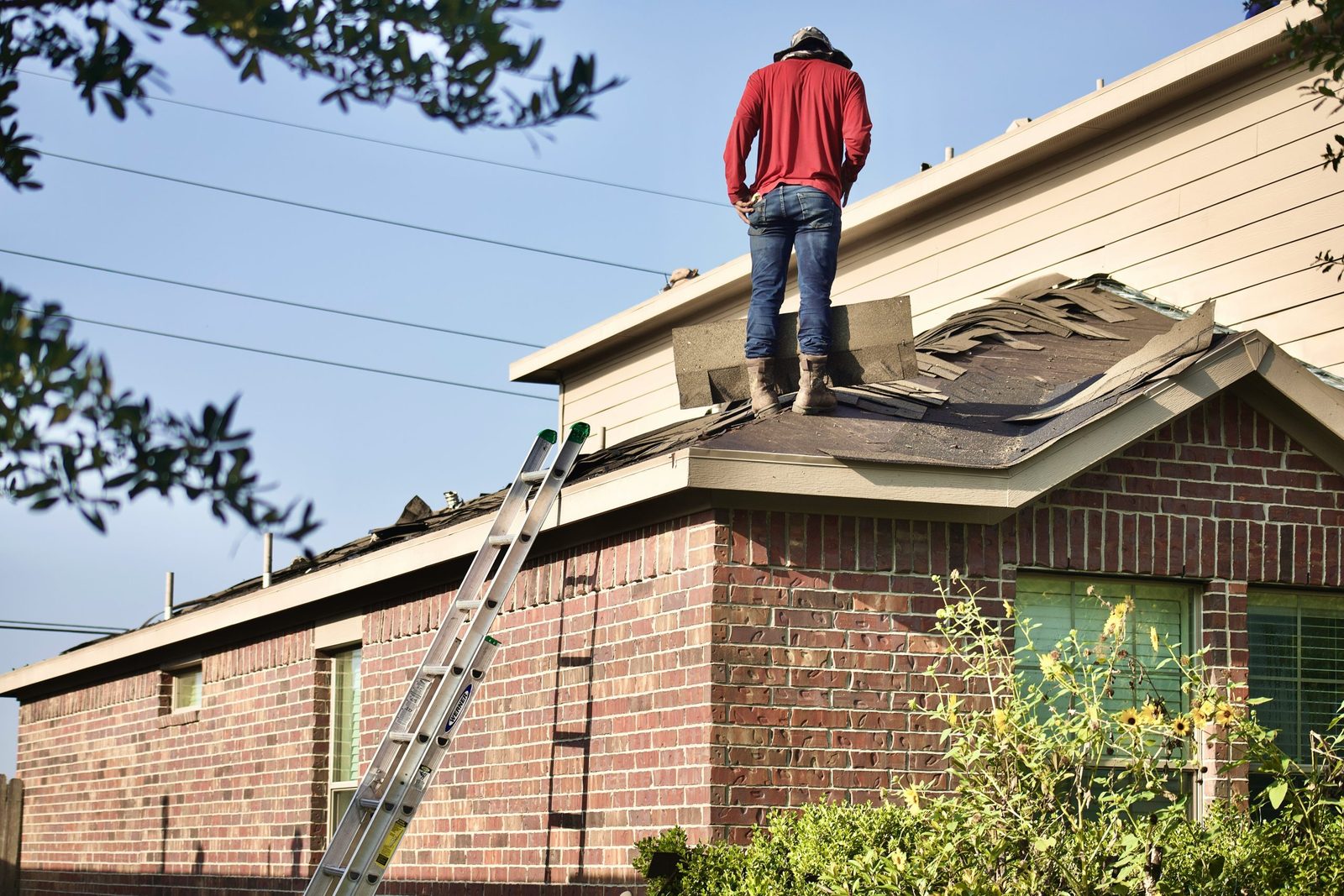
Storm damage?
Get help restoring your property after damage
Our technicians will give you a detailed damage inspection report, so you have everything your insurance company needs to make a decision.