
Roof Insurance Claim Resources
A lot of Houston roofs get replaced through an insurance claim rather than out of pocket. These are the resources that make that process go smoother.
Documenting damage the right way
An inspection with no written report and no photographs is worth very little to an insurance claim. Good documentation means a dated, itemized account of what's damaged — lifted or missing shingles, hail bruising, granule loss, damaged flashing or vents — supported by clear photographs, not just a verbal summary. Keep a copy for yourself even if your contractor also submits one, and hold onto anything else relevant: prior inspection reports, photos of the roof from before the storm if you have them, and any correspondence with your insurance carrier.
Understanding your policy basics
Insurance carriers generally pay out using one of two methods. Replacement Cost Value (RCV) covers what it actually costs to replace the damaged material, sometimes released in two payments — an initial payment followed by a second once the work is complete. Actual Cash Value (ACV) factors in depreciation based on the age and condition of what's being replaced, which typically results in a lower initial payout. Which method applies depends on your specific policy.
Your deductible is the amount you pay before your carrier's coverage kicks in, and in Texas, some policies carry separate, often higher deductibles specifically for wind and hail damage. It's worth reading your policy, or having a contractor read it with you, before you're in the middle of a claim.
Supplements: when the first estimate misses something
An adjuster's initial scope of loss doesn't always catch everything a roof genuinely needs — decking damage under the shingles, flashing, ventilation components, or code-required upgrades that weren't part of the original estimate. When that happens, a contractor can document the gap and submit a supplement, an additional request to the carrier for the missing scope. This is a normal, common part of many claims, not a confrontational escalation, and it's part of why a thorough initial inspection matters.
Choosing who represents your roof
After a major storm, it's common for crews from outside the area to move through Houston neighborhoods offering fast signatures and big promises. A contractor with a genuine local address and an established local presence is easier to hold accountable if something goes wrong after the work is done — and, notably, it's against Texas law for any contractor to offer to waive, absorb or rebate your insurance deductible. If someone offers that, take it as information about how they operate, not a good deal.
Frequently asked questions
Who actually files the insurance claim?
You do — the policyholder files with their own carrier. We provide the inspection documentation you need to file, and we meet the adjuster on the roof, but we can't file the claim on your behalf, and you should be cautious of any contractor who offers to.
What's typically covered by a homeowner's policy?
Sudden, accidental damage — hail bruising, wind-lifted or missing shingles, storm debris impact, and leaks caused by a covered event. General wear and tear, deferred maintenance, manufacturing defects and poor installation by a previous contractor are typically not covered.
How long do I have to file a claim after a storm?
Most policies require reasonably prompt notice after a loss, and the longer you wait, the harder it can be to connect the damage to a specific storm. Getting an inspection soon after a significant weather event is the safer approach.
Want the number before anyone visits?
Type your address and we'll measure the roof from aerial imagery — area, pitch and every facet — then price it at our published rate per square. About fifteen seconds, and we don't need your phone number to show you the number.
Storm damage?
Get help restoring your property after damage
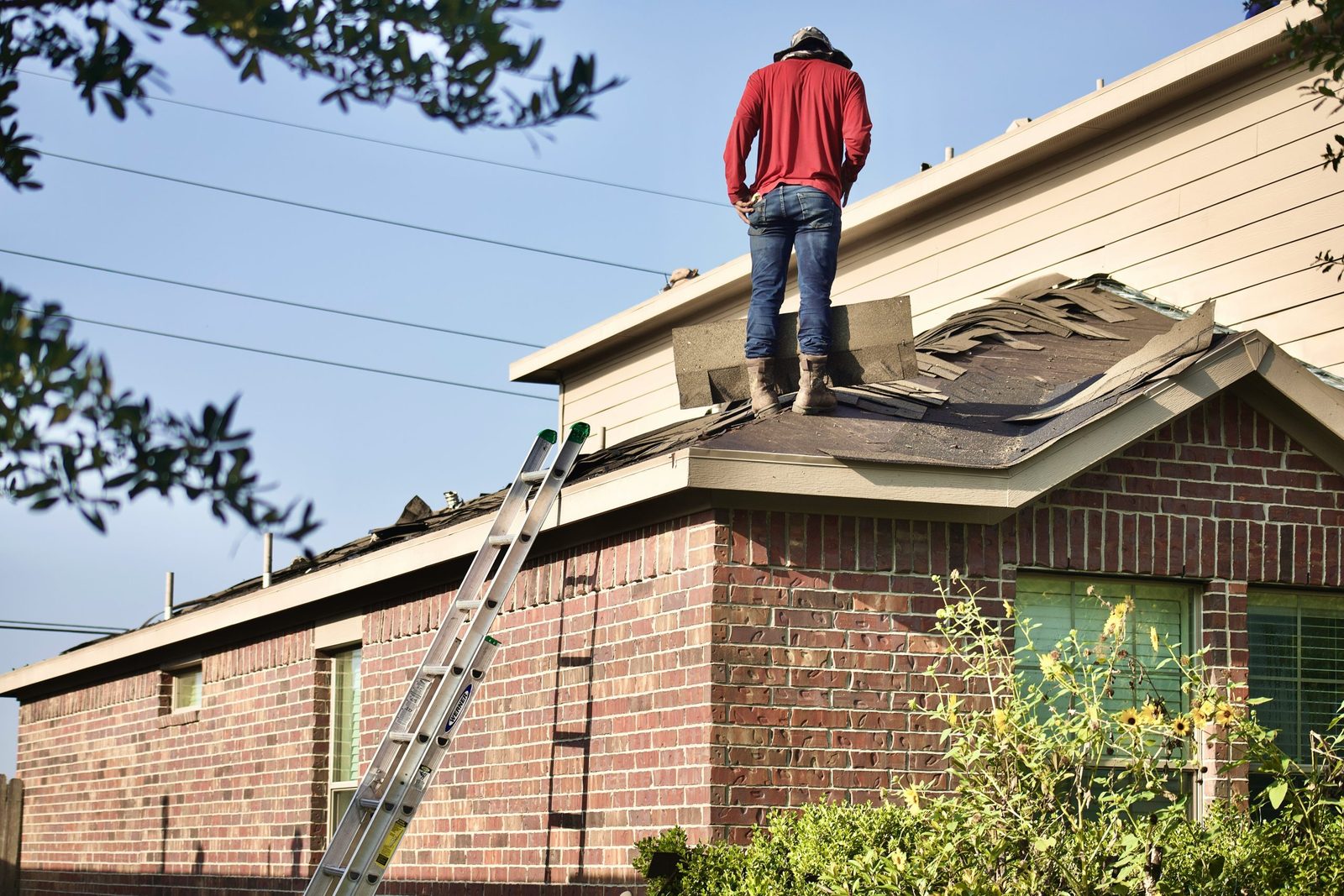
Our technicians will give you a detailed damage inspection report, so you have everything your insurance company needs to make a decision.