
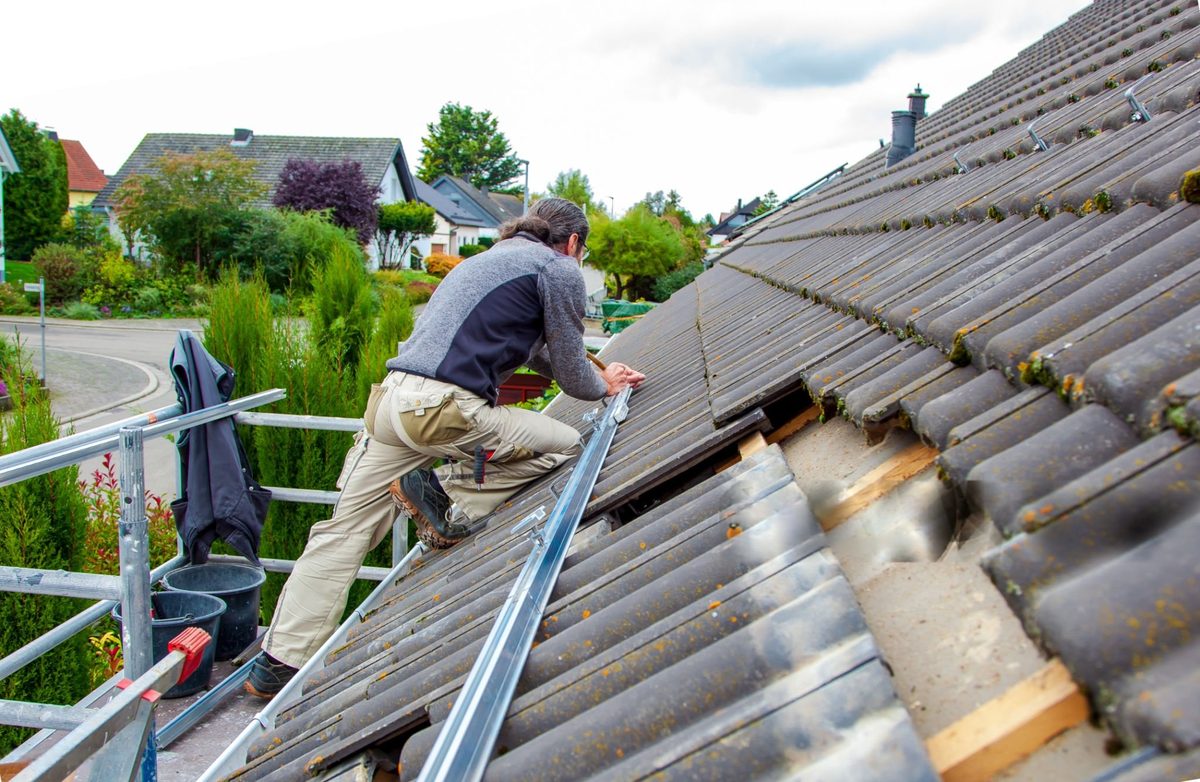
Roof Flashing Repair
A shingle roof rarely leaks in the middle of an open slope. It leaks at the seams — chimneys, walls, valleys, vents — and that's exactly where flashing does its job, or fails to.
Why flashing fails before the shingles do
Flashing is thin metal doing a specific job: redirecting water away from every joint, seam and penetration a shingle field can't shed on its own. Shingles are broad and simple by comparison, so it's almost always the smaller, more complicated flashing details that fail first — a seam that's worked loose, a sealant that's dried out and cracked, or a piece that was never properly integrated with the shingle courses around it in the first place.
Where flashing typically fails
- Chimney flashing, especially where step flashing meets the counter-flashing built into the masonry.
- Sidewall and step flashing where a roof meets a wall or dormer.
- Valleys, where two roof slopes meet and water volume concentrates.
- Vent boots and pipe penetrations, where rubber or plastic collars degrade with age faster than the metal around them.
- Skylight flashing, particularly on older installations without a fully integrated kit.
Signs of a flashing problem
Water stains on a ceiling or interior wall near a chimney or where two roof planes meet are a classic sign, even when there's no visible damage on the roof itself. From outside, look for gaps, rust, lifted edges, or sealant that's cracked and pulled away from the metal. See our glossary for plain definitions of flashing terms if any of this is unfamiliar.
How we repair or replace flashing
Depending on the failure, that can mean resealing a sound piece of flashing that's simply lost its sealant, replacing a corroded or damaged section, or re-integrating flashing with the surrounding shingle courses if it was installed incorrectly to begin with. We match materials to what's already there where possible and always tie the repair back into the shingle courses rather than caulking over the problem as a shortcut.
Flashing and warranty requirements
Flashing installed incorrectly, or later penetrations added by another trade without proper flashing, are common reasons manufacturer coverage gets denied. If you're planning any work that penetrates the roof — a satellite dish, solar mount, or new vent — make sure whoever installs it flashes the penetration properly, or have us do it as part of the job. See our warranty guide for more detail.
Frequently asked questions
Why does my roof leak only near the chimney?
Because that's usually where flashing, not the shingle field, is doing the work of keeping water out. A failed seal or corroded piece of chimney flashing is one of the most common leak sources on an otherwise sound roof.
Can flashing be repaired without replacing the whole roof?
Often, yes, if the shingles around it are still in good condition. Flashing repair is frequently a targeted job rather than something that requires a full replacement.
What causes vent boot leaks specifically?
The rubber or plastic collar around a roof vent pipe tends to dry out and crack years before the surrounding shingles wear out, which makes vent boots one of the more common, and more overlooked, sources of a slow leak.
Is a small gap in flashing sealant urgent?
It's worth addressing promptly rather than waiting. A small gap lets water in gradually, and by the time a leak shows up indoors, there's often already hidden damage to the decking underneath.
Want the number before anyone visits?
Type your address and we'll measure the roof from aerial imagery — area, pitch and every facet — then price it at our published rate per square. About fifteen seconds, and we don't need your phone number to show you the number.
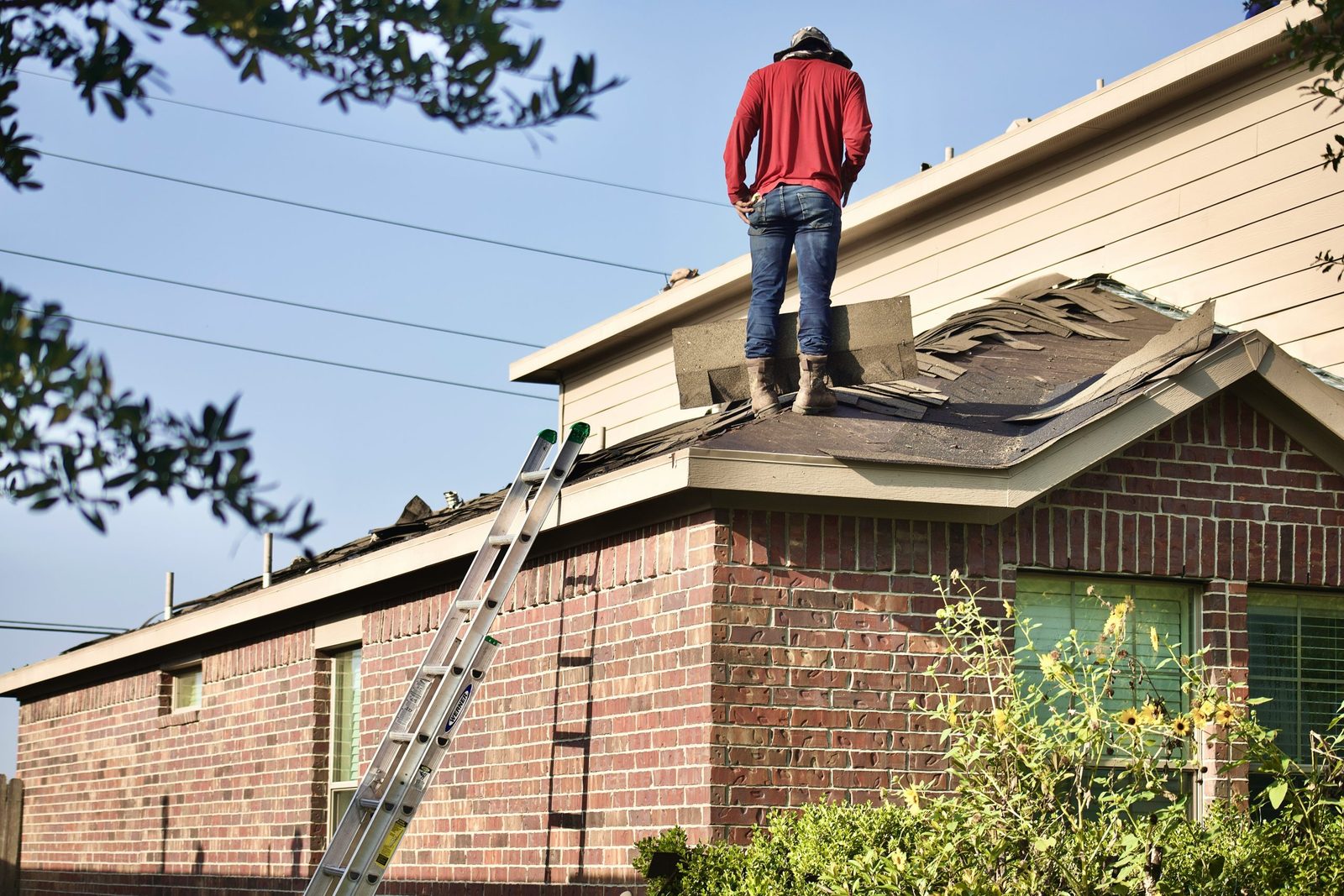
Storm damage?
Get help restoring your property after damage
Our technicians will give you a detailed damage inspection report, so you have everything your insurance company needs to make a decision.