
Roof Decking Replacement
The decking is the structural layer everything else on your roof is fastened to. If it's compromised, nothing installed on top of it will perform the way it's supposed to.
What roof decking does
Decking, usually plywood or OSB, is the structural surface that spans the rafters or trusses and gives every other layer — underlayment, starter strip, shingles, flashing — something solid to attach to. It's not visible once a roof is finished, which is exactly why problems with it tend to go unnoticed until they're serious.
What damages decking in Houston homes
Long-term, unaddressed leaks are the most common cause — water finding its way in slowly through failed flashing or aging shingles, saturating the wood underneath over months or years rather than all at once. Poor attic ventilation contributes in a quieter way, trapping moisture against the underside of the deck even without an active leak. Roofing over an old layer instead of tearing off can also hide decking problems for years, since nobody actually looks underneath the old material until it finally comes off.
How decking problems get found
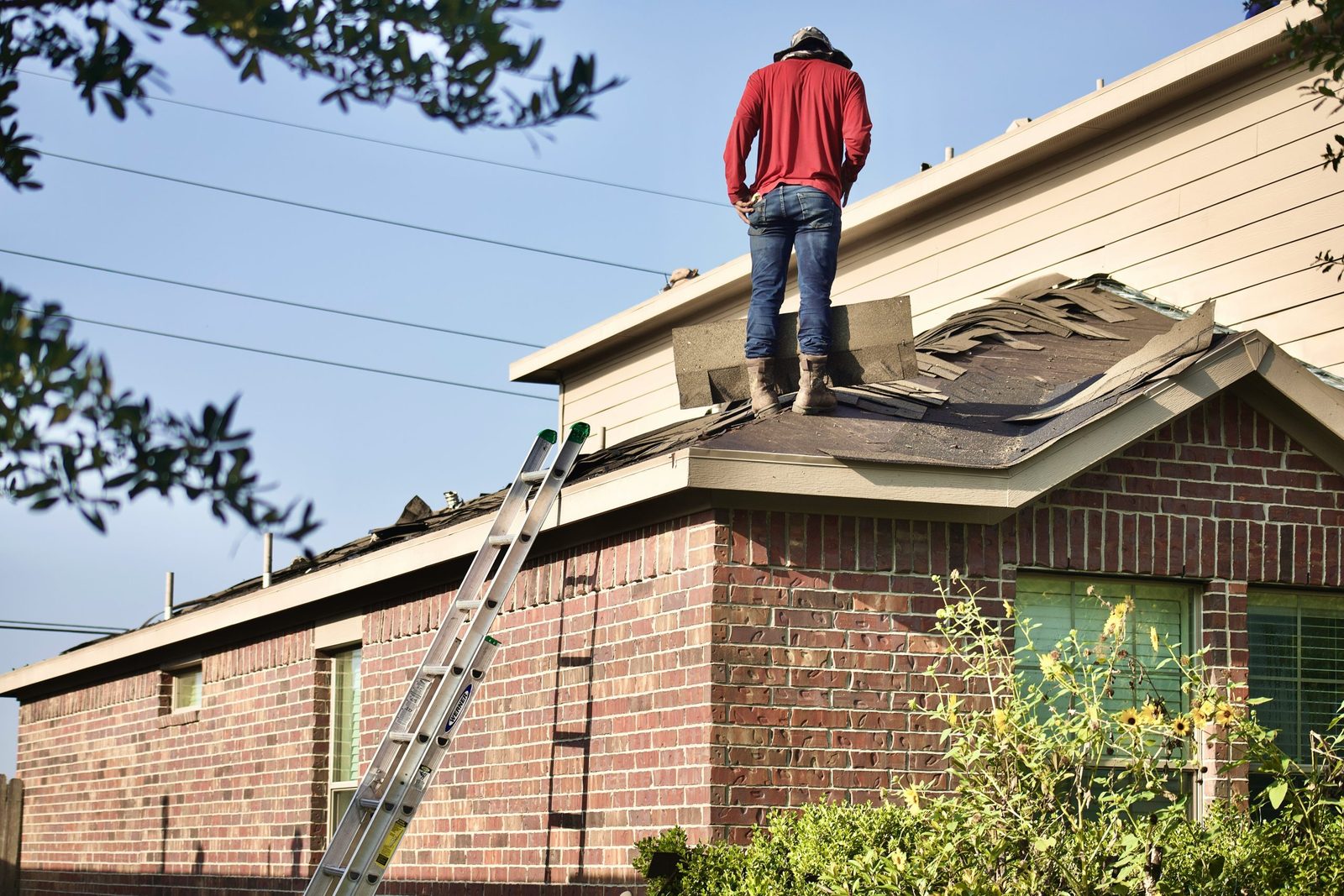
Tear-off is the point where decking condition actually becomes visible, which is one of the reasons we don't roof over an existing layer. Once the old shingles and underlayment are off, we walk the entire deck checking for soft spots, delamination, staining or any area that flexes underfoot, and photograph anything we find before repair begins. Occasionally a decking issue is visible from inside the attic beforehand — staining, sagging, or daylight showing through — which we'll flag during a free inspection if attic access is available.
Repair versus full replacement of decking
Small, isolated soft spots are typically cut out and replaced with matching material, tied into the surrounding structure so the new panel sits flush with what's around it. Widespread rot or sagging across large sections points toward replacing the deck more broadly rather than patching piece by piece, since a roof is only as reliable as its weakest section of decking. Either way, no new roofing material goes down until the deck underneath it is sound.
Why decking matters for your warranty
Manufacturer warranties generally assume a sound, properly prepared deck underneath the shingles, and installing over rotted or compromised decking is a fast way to void that coverage regardless of how well the shingles themselves go on. See our Owens Corning Warranty Guide for more on what keeps coverage intact, and Our Roofing Process for where decking inspection fits into a full project.
Frequently asked questions
How do I know if my roof decking is damaged?
From the outside, it's hard to tell directly. Sagging areas of the roofline, soft spots you can feel underfoot on the roof, or staining and daylight visible from inside the attic are the more common warning signs.
Does every roof replacement involve decking replacement?
No, but every roof replacement includes a decking inspection, since we tear off to the deck rather than roofing over it. Whether any decking actually needs replacing depends on what that inspection finds.
Can decking be repaired without replacing the whole roof?
If the surrounding shingles are still in good condition and the affected area is accessible, yes. Isolated decking repairs happen more often as part of a larger repair than as a standalone job, since decking access usually requires removing shingles above it first.
Do permits apply to decking replacement?
Permit requirements vary by city; confirm with your municipality which approvals apply to the scope of work before it begins.
Want the number before anyone visits?
Type your address and we'll measure the roof from aerial imagery — area, pitch and every facet — then price it at our published rate per square. About fifteen seconds, and we don't need your phone number to show you the number.
Storm damage?
Get help restoring your property after damage
Our technicians will give you a detailed damage inspection report, so you have everything your insurance company needs to make a decision.