
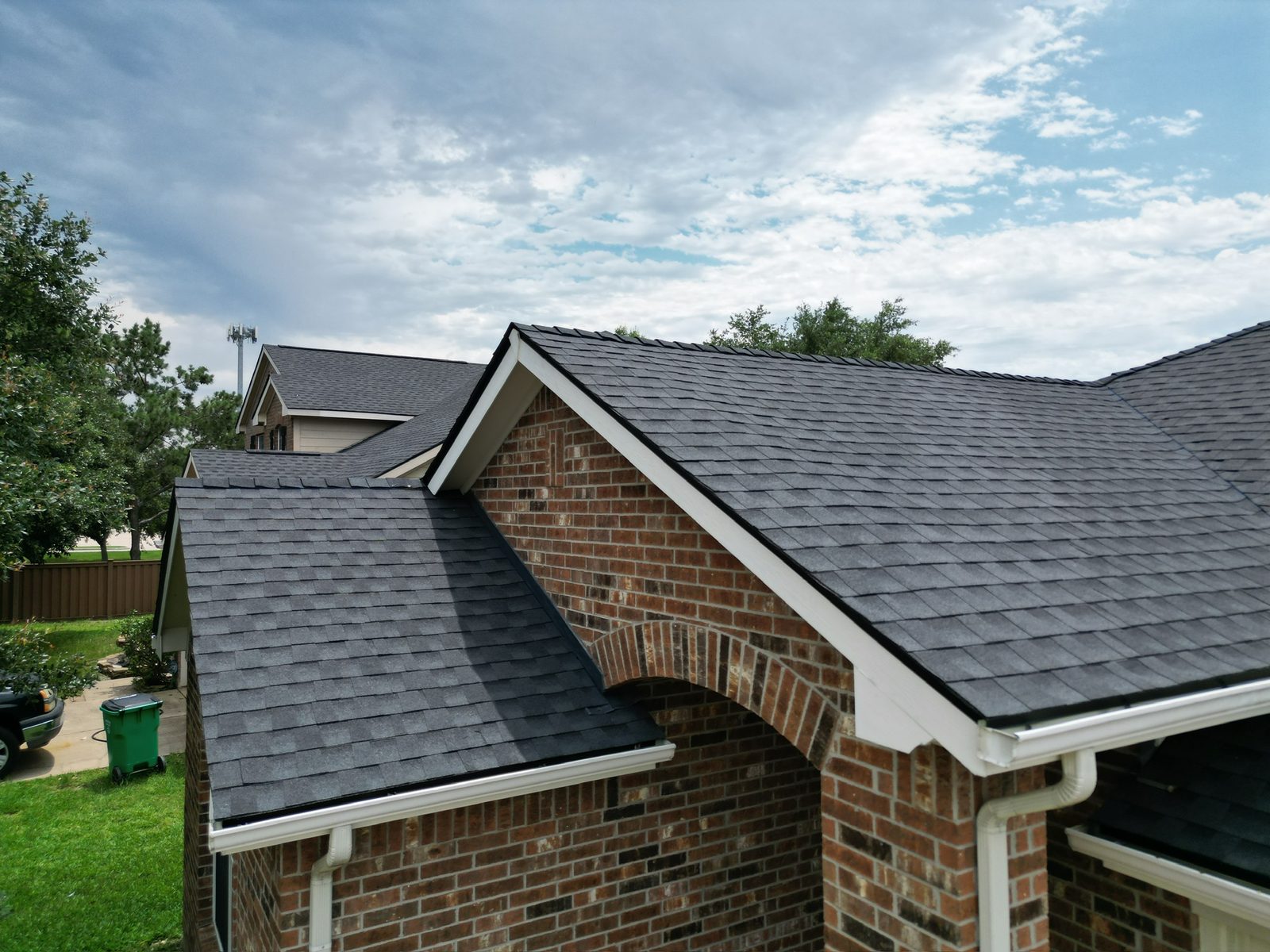
What to Do to Your Roof After a Hurricane
The days right after a hurricane or tropical storm are chaotic, and it's easy to either overreact or underreact to roof damage. Here's the order that actually makes sense.
1. Confirm it's safe before you think about the roof at all
Downed power lines, standing water, and structural instability take priority over any roofing concern. Follow official guidance for your area before doing anything else, and don't approach a roof, ladder or attic until you're confident the property itself is safe.
2. Do a ground-level walk-around, not a rooftop one
Once it's safe, walk the property and look up from the ground — missing shingles, sagging sections, debris caught in gutters, damaged fascia. Avoid climbing onto a wet, debris-covered roof yourself; it's more dangerous than it looks, and a professional inspection will cover far more ground than a solo walk-around can.
3. Decide whether temporary protection is needed now
If there's exposed decking or an active leak, temporary tarping can meaningfully reduce further water intrusion while a full repair gets scheduled. See our guide on emergency tarping for what it does and doesn't accomplish before you decide it's necessary.
4. Photograph everything you can safely see
Ground-level photos of the roof, gutters and any visible damage, plus interior shots of any water intrusion, become the foundation of both your own record and any insurance claim. Our guide on photographing roof damage covers what actually makes documentation useful later.
5. Contact your insurance carrier
Report the claim with what you've observed, factually and without guessing at cause or extent — that's what the adjuster's visit determines. This is also when you'll confirm your deductible, including whether a separate wind or hail provision applies to your policy.
6. Schedule a professional inspection promptly
Wind and wind-driven rain damage aren't always visible from the ground, even after a storm that clearly affected the neighborhood. A roof that looks intact from the street can still have lifted shingles or compromised flashing that shows up as a leak weeks later, which is exactly why a close inspection matters even when nothing looks obviously wrong.
7. Be selective about who you let on the roof
The days and weeks after a major storm bring a wave of unfamiliar crews through Houston neighborhoods. A contractor with a genuine, verifiable local address is easier to hold accountable months later than a truck that showed up right after the storm and won't still be around for a warranty question next year.
8. Expect the process to take some time
After a widespread regional storm, adjuster scheduling and contractor availability both get tighter simply due to volume. Staying organized — documentation in one place, prompt responses to your carrier — won't speed up an overloaded system on its own, but it removes the delays that are actually within your control.
What to do about a home that lost power
An extended outage can mean spoiled food, a humid attic with no air movement, and, on some homes, a sump pump or dehumidifier that isn't running when it's needed most. None of that is a roofing issue directly, but sustained heat and humidity in a closed-up home without power can add stress to an attic that already took on some storm moisture, which is one more reason to get the roof looked at once power and access are back to normal.
Keeping a simple log as things get sorted out
In the weeks after a major storm, it's easy to lose track of who you talked to and when. A simple running note — date, who you spoke with, what was said — for both your insurance carrier and any contractor you're working with saves real time if a detail needs to be confirmed later. It's a small habit that pays off disproportionately once a claim has more than one moving part.
Frequently asked questions
How soon after a hurricane should I get an inspection?
As soon as it's reasonably safe to schedule one. Most policies expect timely notice of damage, and documenting sooner rather than later makes any claim easier to support.
My roof looks fine from the street. Do I still need to check it?
Yes. Wind and wind-driven rain damage frequently aren't visible from the ground, and a roof that looks fine after a hurricane can still develop a leak weeks later from damage that was there the whole time.
What if I'm near the coast and my county has different windstorm rules?
Some coastal Texas counties handle wind coverage through a separate windstorm insurance program rather than a standard homeowner's policy. If that applies to your address, it's worth confirming the specific claims process with your insurer.
Want the number before anyone visits?
Type your address and we'll measure the roof from aerial imagery — area, pitch and every facet — then price it at our published rate per square. About fifteen seconds, and we don't need your phone number to show you the number.
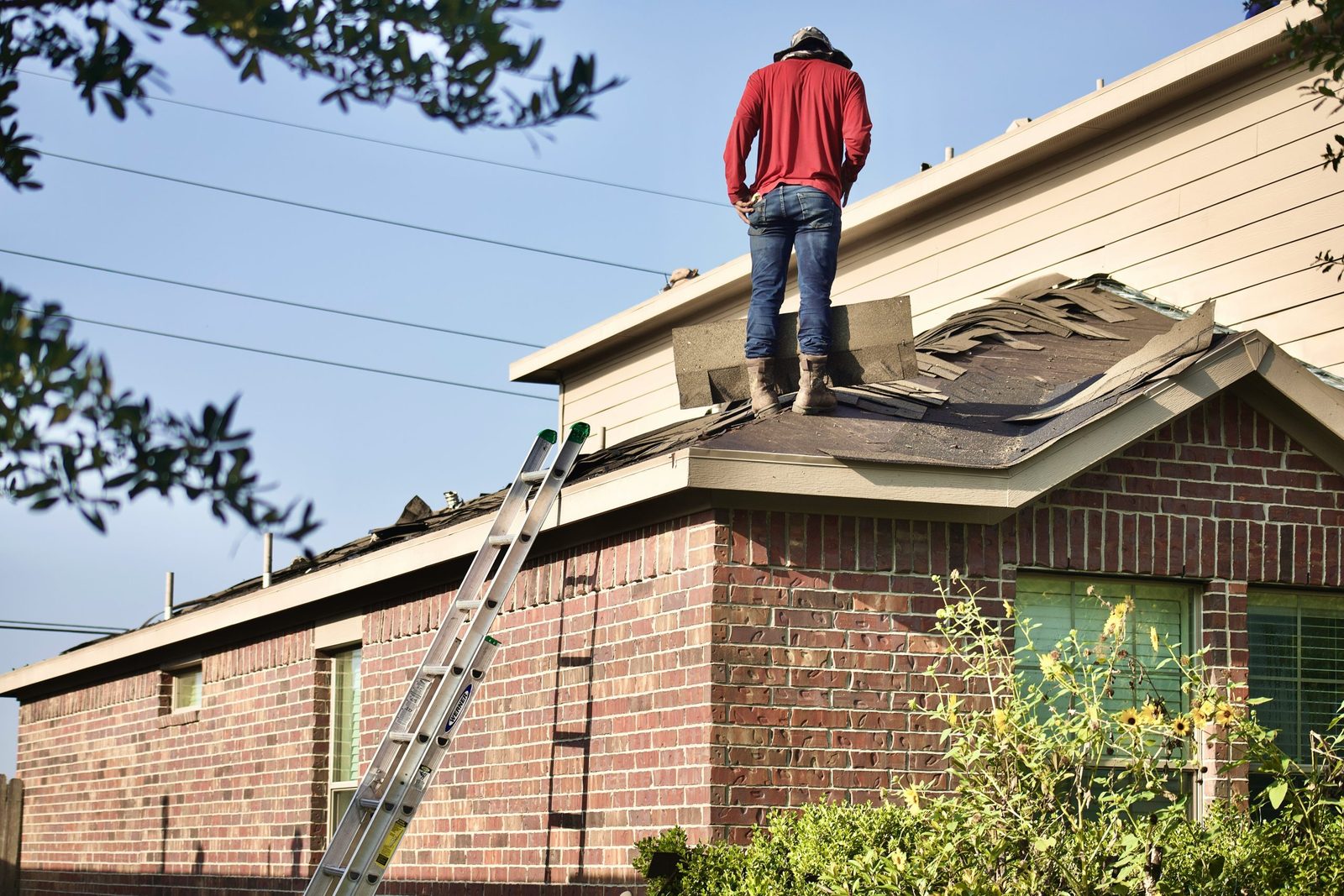
Storm damage?
Get help restoring your property after damage
Our technicians will give you a detailed damage inspection report, so you have everything your insurance company needs to make a decision.