
How to Avoid Storm-Chasing Roofing Contractors
After a major hail or wind event, Houston sees an influx of out-of-town crews going door to door. Some are legitimate. A lot aren't planning to stick around.
What a storm chaser actually is
The term generally describes crews that travel from storm to storm, working a market hard for a few weeks or months after a major weather event and then moving on to the next one. That business model isn't automatically dishonest, but it does mean that if something goes wrong with the work, or a warranty question comes up a year or two later, there may not be anyone local left to call.
Common tactics worth recognizing
- Door-to-door pressure immediately after a storm, often with same-day sign-up incentives.
- Free roof inspections offered aggressively, sometimes paired with vague claims about damage the homeowner hadn't noticed.
- A rush to get a signature before you've had time to check licensing, get a second opinion, or read the contract closely.
- No verifiable local address — a P.O. box, a temporary rental, or simply a phone number with no physical presence.
Deductible waivers are illegal, not a deal
One tactic to watch for specifically: an offer to cover, waive or rebate your insurance deductible. It's against Texas law for a contractor to do this. Framing it as a special deal or a way to make the project effectively free is a red flag on its own, regardless of how the rest of the pitch sounds.
Questions that separate a real local contractor from a pop-up
Ask for a physical business address you can independently verify, ask how long the company has operated at that address, and ask what happens if a warranty issue comes up after the crew that installed your roof has moved on. A legitimate local contractor should be comfortable answering all of this without hesitation, since it's exactly the kind of information a homeowner should be checking before a large project.
If you've already signed something
Read through the contract closely for a cancellation window, which many jurisdictions require for door-to-door sales. If you have concerns about a contract you've already signed, especially one tied to a deductible-waiver offer, it's worth getting a second opinion from a local contractor or checking your rights before work begins. A company unwilling to slow down and let you read what you're signing has already told you something about how the rest of the project would likely go.
Why this matters most right after a major storm
The window right after a widespread hail or wind event is exactly when storm chasers are most active, because it's when the largest number of homeowners are simultaneously looking for help and most likely to act quickly. That same urgency is what makes it worth slowing down for a few extra questions before signing anything, even when a neighbor's roof already has a tarp on it and everyone on the street seems to be moving fast.
A legitimate contractor won't rush you
There's a meaningful difference between a contractor being responsive after a storm, which is a good thing, and a contractor pressuring you to sign before you've had time to check anything, which isn't. Responsiveness and pressure can look similar on the surface. The distinction is usually in whether the contractor is comfortable with you taking a day to verify their address, licensing or a second opinion before committing.
Talking to neighbors before deciding
After a widespread storm, it's common for several homes on the same street to need similar work, and it's worth comparing notes with neighbors before signing with the first crew that knocks. A pattern of the same company working several houses on a block isn't automatically a problem, but hearing directly what a neighbor experienced — timeline, communication, whether the finished work matched what was promised — is more useful than anything printed on a business card.
Frequently asked questions
Is it illegal for a contractor to offer to pay my deductible?
Yes. It's against Texas law for a contractor to waive, absorb or rebate a homeowner's insurance deductible, regardless of how the offer is framed.
Are all out-of-town roofing crews storm chasers?
Not necessarily, but the pattern of appearing right after a major storm and disappearing months later is common enough that it's worth extra scrutiny, particularly around warranty terms and local accountability.
What's the safest way to find a legitimate local roofer?
Verify a physical address, ask how long they've operated in the area, and get warranty terms in writing before signing anything. A company confident in its work won't avoid those questions.
Want the number before anyone visits?
Type your address and we'll measure the roof from aerial imagery — area, pitch and every facet — then price it at our published rate per square. About fifteen seconds, and we don't need your phone number to show you the number.
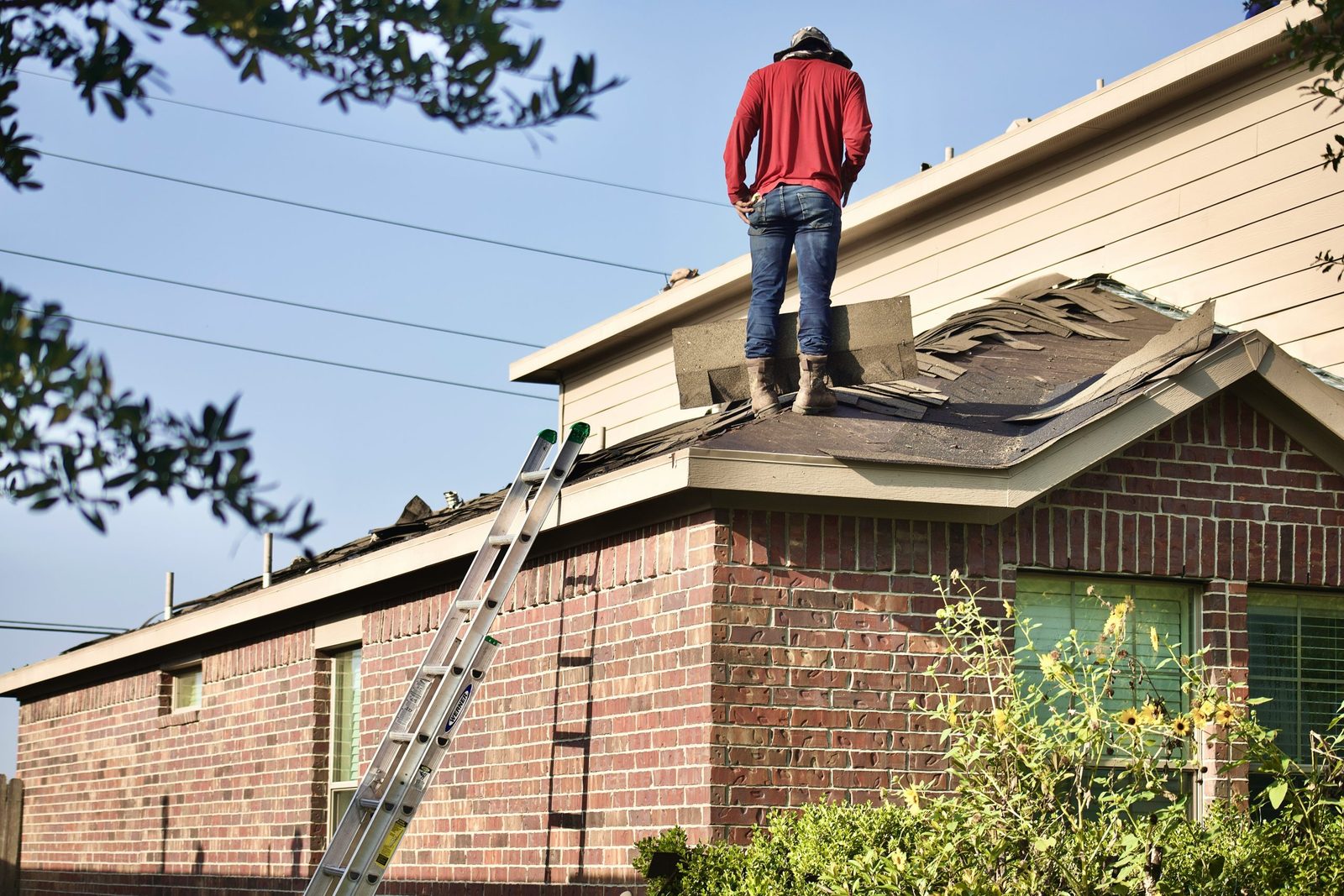
Storm damage?
Get help restoring your property after damage
Our technicians will give you a detailed damage inspection report, so you have everything your insurance company needs to make a decision.