
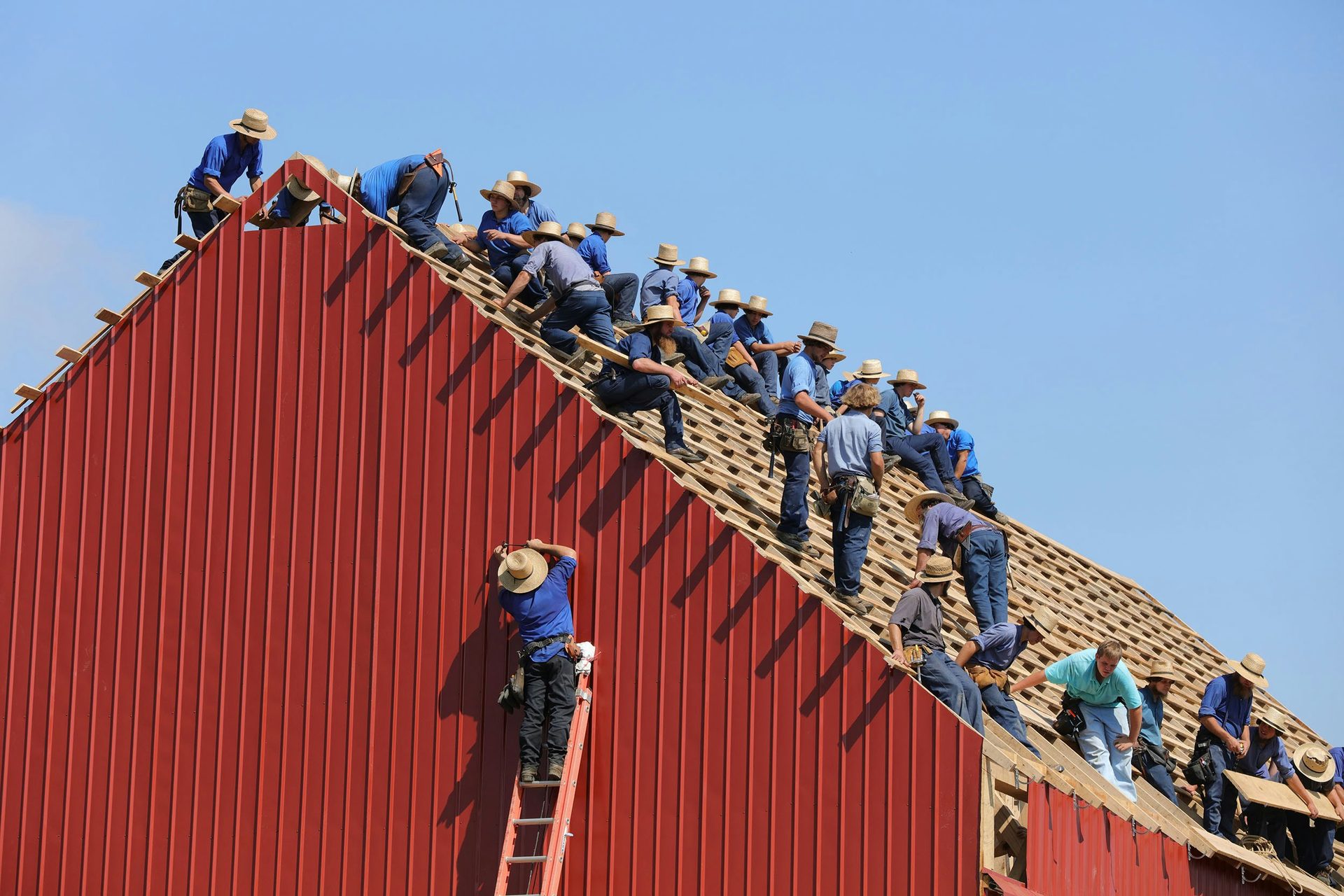
How to Choose a Roofing Contractor in Houston
Houston has a lot of roofing companies, and after a storm, that number grows fast with crews that won't be here in a year. Here's what to actually check before signing anything.
A local, physical presence matters more than it sounds
Ask where the company is actually based, and whether that's a real office you could visit rather than just a phone number and a truck. If a warranty issue comes up two years from now, you want to be dealing with a company that's still there, not searching for a crew that worked a single storm season and moved on to the next market.
Ask about licensing and insurance directly
Ask whether the company is licensed, bonded and carries liability insurance, and get specifics rather than a vague yes. Coverage amounts vary between contractors, but a company that can't answer clearly, or hesitates to provide documentation, is telling you something. Ask about workers' compensation coverage too — it protects you from liability if someone is injured working on your property.
Get the warranty terms in writing, both of them
Every roof has two separate warranties: one from the material manufacturer covering defects, and one from the installing contractor covering workmanship. Ask for both in writing — how long the workmanship warranty runs, which manufacturer warranty will be registered on your roof, and specifically what would void either one. A contractor who answers all of that clearly and consistently is a good sign.
Understand tear-off versus roofing over before you sign
Ask directly whether the quote includes tearing off the existing roof down to the deck, or whether it's a roof-over — installing new shingles on top of the old layer. Roofing over is faster and cheaper up front, but it hides the condition of the decking underneath and typically voids manufacturer warranty coverage outright. Make sure the estimate is clear about which one you're getting.
Get a written, itemized estimate, not a verbal number
A real estimate breaks down materials and scope of work rather than handing you a single lump figure. It should also reflect an actual measurement of your roof rather than a rough guess — ask how the measurement was done. An itemized estimate is also what you'll want to compare against an insurance scope of loss if a claim is involved.
Red flags worth walking away from
- Pressure to sign the same day, especially right after a storm.
- An offer to waive or cover your insurance deductible — this is against Texas law, and any contractor offering it is telling you how they operate.
- No local address you can verify, or a business that only recently appeared after a storm event.
- Vague or evasive answers about licensing, insurance, or warranty terms.
- A quote with no breakdown — just a total number and a place to sign.
How the estimate process itself is a good preview
Pay attention to how a contractor handles the estimate, not just the number it ends up with. Did they measure the roof accurately, or eyeball it? Did they explain what's included and why, or just hand you a figure? Was the timeline realistic, or vague? A company that's thorough and communicative during the sales process is more likely to be the same way once the crew is on your roof and something needs a decision.
Don't skip the follow-up questions
Once you've narrowed down a contractor, it's worth asking a few practical follow-ups: who's actually on the crew that day, how debris and nails get cleaned up afterward, and what the process looks like if you notice something after the walkthrough. A contractor who's done this many times will have clear, specific answers rather than generalities.
Frequently asked questions
Should I get more than one estimate?
It's reasonable to do so, particularly for a large project. Compare not just the total but what's actually included — tear-off versus roof-over, materials specified, and warranty terms.
Is a lower estimate always a warning sign?
Not automatically, but a significantly lower number is worth asking about directly. It could mean a roof-over instead of tear-off, lower-grade materials, or a shorter workmanship warranty.
What should I ask about scheduling before I sign?
Ask for a realistic timeframe and what happens if weather delays the work. Most residential replacements in the Houston area take one to two days once started, weather permitting, but scheduling ahead of that can vary.
Want the number before anyone visits?
Type your address and we'll measure the roof from aerial imagery — area, pitch and every facet — then price it at our published rate per square. About fifteen seconds, and we don't need your phone number to show you the number.
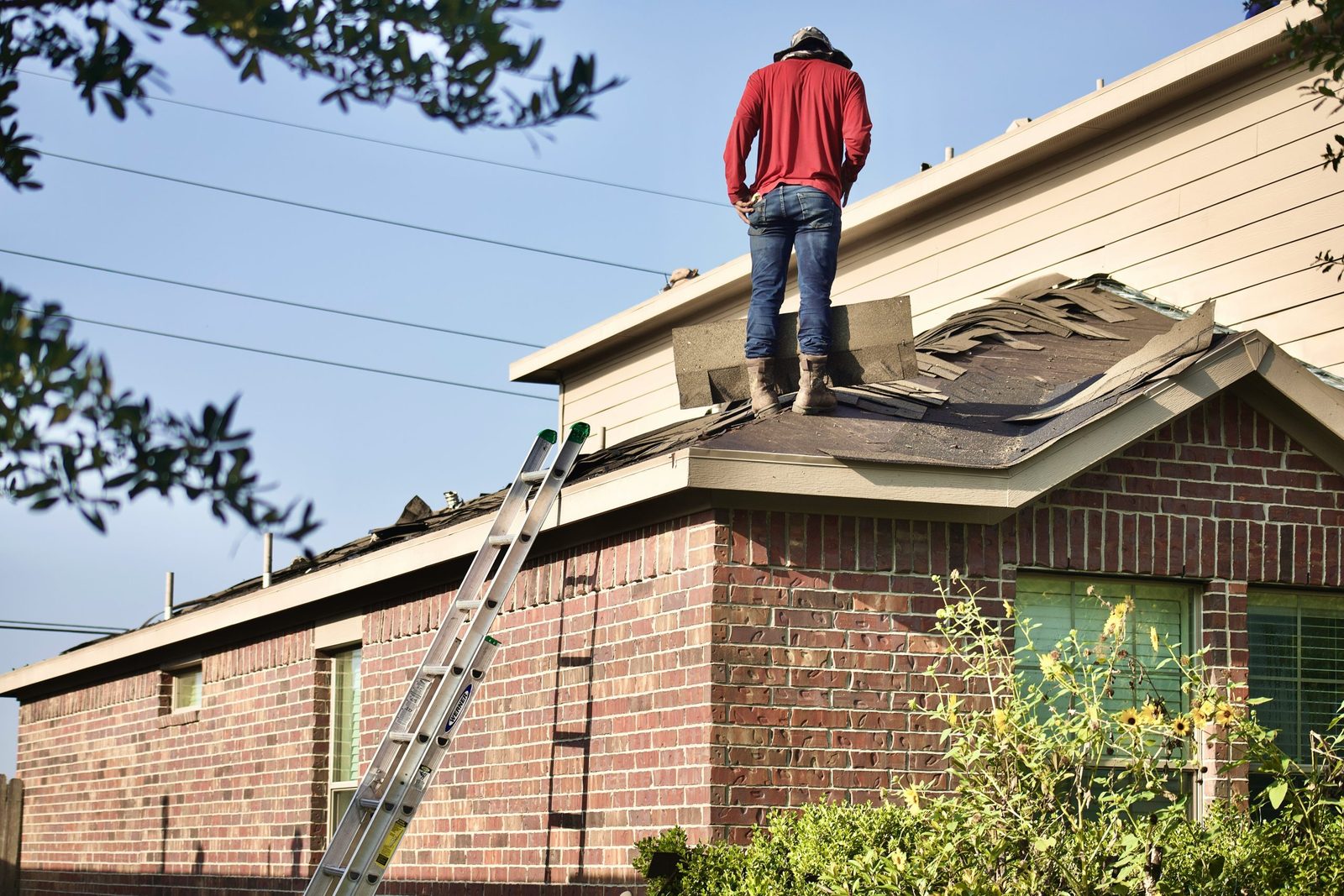
Storm damage?
Get help restoring your property after damage
Our technicians will give you a detailed damage inspection report, so you have everything your insurance company needs to make a decision.