
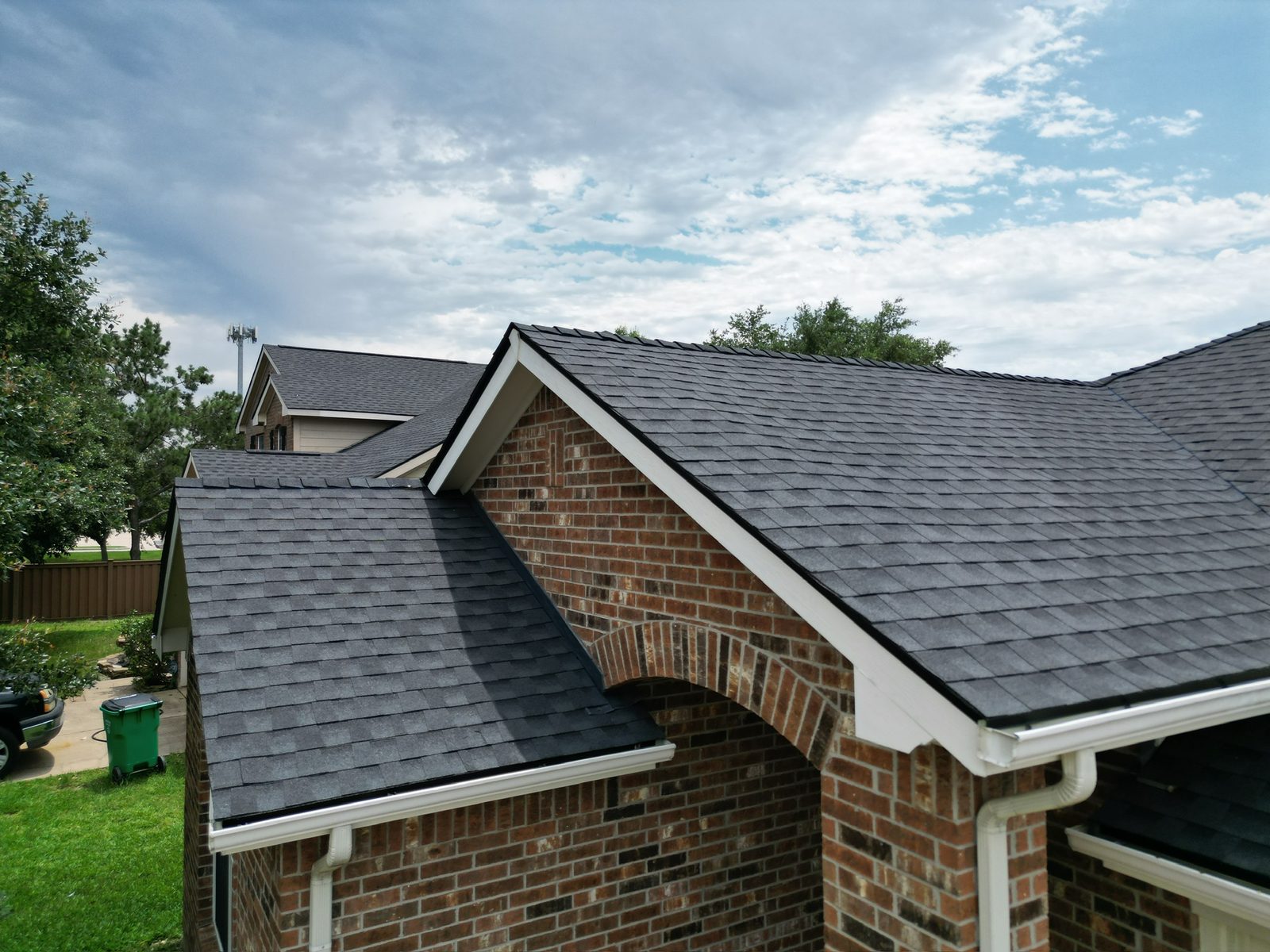
How to Spot Hail Damage on Your Roof
Houston's hail season runs through the spring, and the damage it leaves behind is often quieter than people expect — no hole, no leak, just a roof that's aged years in a single afternoon.
What hail actually does to a shingle
A hailstone hitting a shingle doesn't usually punch through it. More often it bruises the mat underneath the surface granules, cracking the fiberglass or felt base without tearing the top layer open. That bruise doesn't leak on day one. Instead it becomes a weak point where the shingle sheds granules faster and eventually cracks or fails years earlier than it should have, which is exactly why hail damage gets missed until it's already a bigger problem.
Signs you can reasonably check from the ground
- Dented gutters or downspouts, which are softer metal and show hail impact clearly even when the roof itself looks fine.
- Dented or dinged metal roof vents, flashing or window screens anywhere on the property.
- Granules collecting in gutters or at downspout outlets after a storm, beyond the normal amount a roof sheds over time.
- Visible dark spots or circular marks on shingles, though these are easier to miss from ground level than the items above.
Signs that only show up on close inspection
Bruised shingles often look completely normal from the street. Up close, a trained eye is checking for soft spots where pressing on the shingle reveals give underneath, circular impact marks with granules displaced around the edges, and cracking that follows the pattern of a hail strike rather than random wear. This is the part of hail damage that genuinely requires a physical inspection — photos from a drone or satellite imagery can catch obvious damage, but they miss the bruising that matters most for long-term roof life.
Soft metals tell the story first
Because shingles absorb impact rather than showing it immediately, roofers often look at softer metal components first — gutters, downspouts, roof vents, window screens, even mailboxes and HVAC fins in the yard. Consistent dents across several of these softer surfaces is a strong indicator that the roof took a real hit, even before anyone climbs a ladder to confirm it on the shingles themselves.
Why the damage often doesn't leak right away
This is the part that catches homeowners off guard. A roof can take real hail damage and keep functioning as a barrier against water for months or even a couple of years, especially with Houston's typically dry stretches between storms. The failure shows up later — a leak that seems to come from nowhere, or a roof that needs full replacement well before it should have based on age alone. That lag is exactly why an inspection after a hail event matters more than waiting to see if a leak develops.
What to do if you suspect hail damage
Schedule a professional inspection rather than assuming the roof is fine because nothing is leaking yet. If the inspection confirms damage, document it thoroughly and keep the report on hand — it becomes the basis for any insurance conversation that follows. Avoid climbing onto the roof yourself to check; damaged shingles can be more fragile underfoot than they look.
Hail size isn't the only variable that matters
People often assume small hail can't do real damage, but shingle age, granule condition and roof pitch all affect how much a given hailstone actually bruises the surface. An older roof with thinning granule coverage can take meaningful damage from hail that would barely mark a newer roof, which is part of why a blanket size threshold isn't a reliable way to decide whether an inspection is worth scheduling.
Metal roofs and other surfaces show hail differently
On a metal roof, hail impact typically shows up as visible dents rather than the hidden bruising common on asphalt shingles, which can make damage easier to spot but doesn't necessarily make it less significant structurally or cosmetically. Flat or low-slope sections, common on additions, garages and porches, can also show hail impact differently than a steep-slope shingle field, which is one more reason a full-property inspection covers more ground than checking the main roof alone.
Frequently asked questions
How long after a hailstorm should I get my roof checked?
As soon as reasonably possible. Bruised shingles don't always leak right away, but documenting the damage close to the event makes any insurance claim easier to support.
Can I identify hail damage from photos alone?
Sometimes obvious damage shows up in photos, but bruised shingles often require a hands-on inspection to confirm. Photos are a good starting point, not a substitute for a closer look.
Does every hailstorm cause damage worth inspecting for?
Not every storm produces hail large enough to matter, but if you noticed dented gutters, vehicles, or outdoor furniture during a storm, it's worth having the roof looked at.
Want the number before anyone visits?
Type your address and we'll measure the roof from aerial imagery — area, pitch and every facet — then price it at our published rate per square. About fifteen seconds, and we don't need your phone number to show you the number.
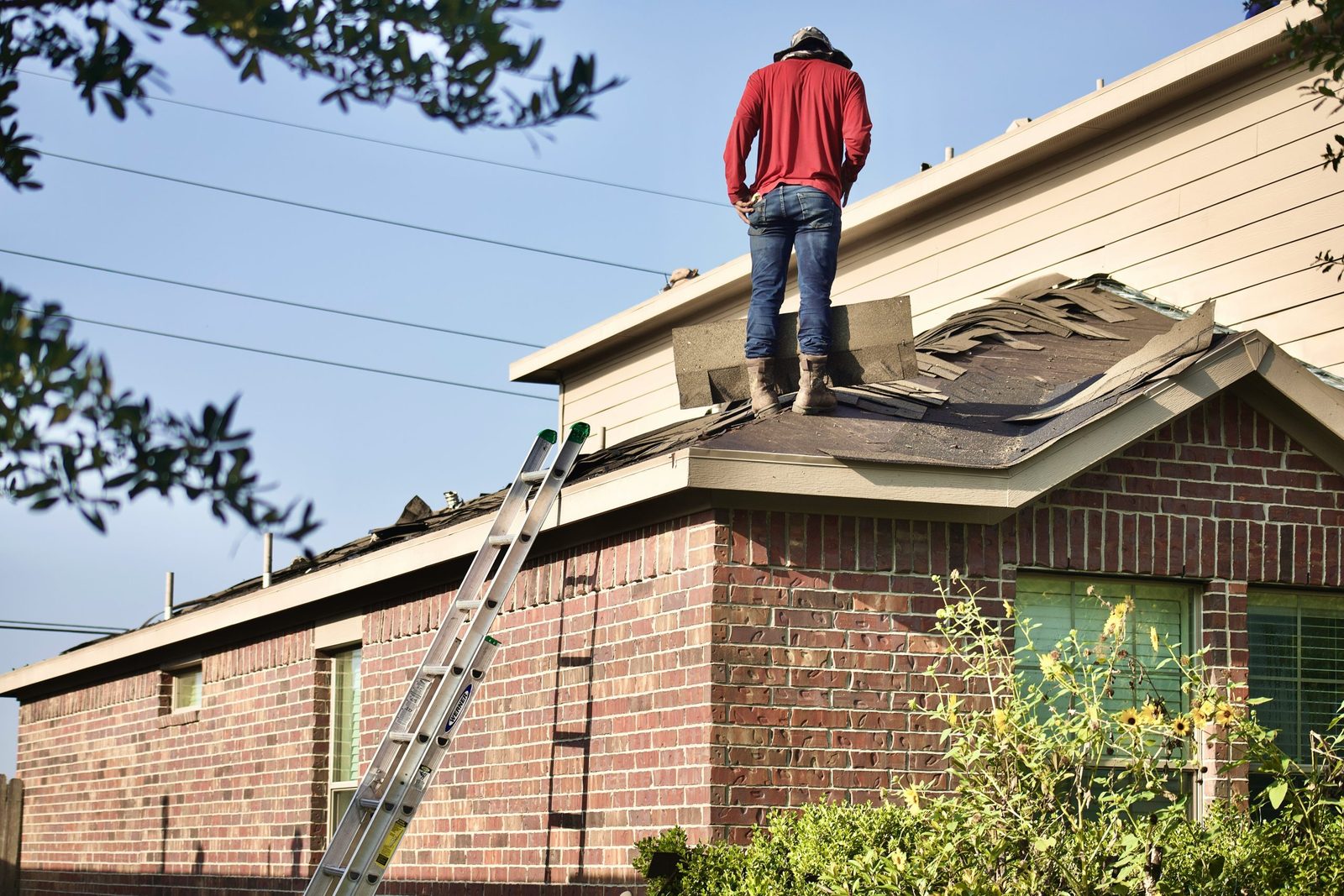
Storm damage?
Get help restoring your property after damage
Our technicians will give you a detailed damage inspection report, so you have everything your insurance company needs to make a decision.